Key Terms in ABA - A Parent-Friendly Guide 2
Parents encounter advanced ABA therapy terms as their child progresses, including prompt hierarchy, task analysis, parent coaching, and more. These concepts support skill development, independence, and collaboration with therapists, helping families better understand strategies and feel more confident in actively supporting their child’s therapy journey over time.
.png)
.png)
As your child continues with ABA therapy, you may begin to hear new terms during parent meetings, progress reviews, or conversations with your therapy team. These words can sound technical at first, and it’s completely okay if you don’t understand them right away.
This guide builds on Part 1 of our ABA key terms series and explains additional concepts you may come across as therapy progresses. These terms are helpful to know over time, but there’s no pressure to master them all at once.
Prompt Hierarchy
A prompt hierarchy refers to the different levels of help a therapist may use to support a child in learning a new skill. Prompts can range from very direct to very subtle.
Examples include verbal cues, gestures, visual prompts, or physical guidance. As a child becomes more confident and independent, these prompts are gradually reduced, a process known as prompt fading. The goal is always for the child to perform the skill independently.
Task Analysis
Task analysis is a method used to teach multi-step skills by breaking them down into smaller, manageable steps. This approach helps children learn complex routines more easily.
For example, getting dressed or brushing teeth may be broken down into clear steps such as choosing clothes, putting on each item, or completing parts of a hygiene routine. Teaching skills step by step supports independence and success.
Parent Coaching
.jpg)
Parent coaching involves guiding caregivers on how to support learning at home using strategies from ABA therapy. This helps create consistency between therapy sessions and daily routines.
Through parent coaching, caregivers may learn ways to encourage communication, manage challenging behaviors, or reinforce positive skills during everyday activities. When families and therapists work together, children often make more meaningful progress.
Incidental Teaching
Incidental teaching happens when learning opportunities occur naturally throughout the day, rather than during structured lessons. This approach follows the child’s interests and motivation.
For example, if a child reaches for a toy, the therapist or caregiver may pause and encourage communication before handing it over. These small, natural moments help children practice skills in real-life situations.
Early Intensive Behavioral Intervention (EIBI)
Early Intensive Behavioral Intervention refers to a more structured and intensive ABA therapy approach, often recommended for younger children.
EIBI programs typically involve multiple therapy hours per week and focus on building foundational skills early in development. While the term may sound overwhelming, it simply describes a therapy model designed to provide consistent, early support.
Pivotal Response Treatment (PRT)
Pivotal Response Treatment is a play-based approach within ABA that focuses on key developmental areas, such as motivation, communication, and social engagement.
Rather than targeting one specific skill at a time, PRT aims to create broader improvements by building skills that positively affect many areas of development. Therapy sessions often feel playful and child-led.
Self-Management
.jpg)
Self-management teaches children to recognize, monitor, and regulate their own behavior. This skill becomes more relevant as children grow older and gain independence.
Children may learn to track their own behavior, follow routines independently, or use coping strategies when they feel overwhelmed. Self-management supports confidence and autonomy over time.
Shaping
Shaping is a teaching strategy that focuses on reinforcing small steps toward a larger goal. Instead of expecting a child to master a skill all at once, progress is encouraged gradually.
For example, if a child is learning to speak, early sounds or attempts may be reinforced before full words develop. Shaping allows learning to happen at a comfortable and achievable pace.
Why These Terms Are Helpful to Know
These ABA terms are not always introduced right away, but they often come up as therapy evolves. Understanding them can help parents:
- Feel more comfortable during progress discussions
- Better understand therapy strategies and goals
- Recognize how learning is supported over time
- Strengthen collaboration with the therapy team
Remember, knowing these terms does not mean you’re expected to use them daily, it simply helps you feel more informed and prepared.
Learning at Your Own Pace
ABA therapy is a journey, and every family moves through it differently. It’s okay to focus on the basics first and explore additional concepts when you’re ready. Asking questions and learning gradually is part of the process.
If you haven’t already, you may want to start with Part 1: Key Terms in ABA, which covers the most essential concepts parents typically hear early on. Together, these two guides offer a helpful foundation to support your child’s therapy journey.
Explore More

Behavior Is Communication: Understanding What Your Autistic Child May Be Telling You
Behavior can be an important form of communication, especially when a child cannot easily express their needs in words. This parent-friendly guide explores what an autistic child’s behavior may be communicating, how to recognize possible triggers and patterns, and supportive ways to build functional communication skills.

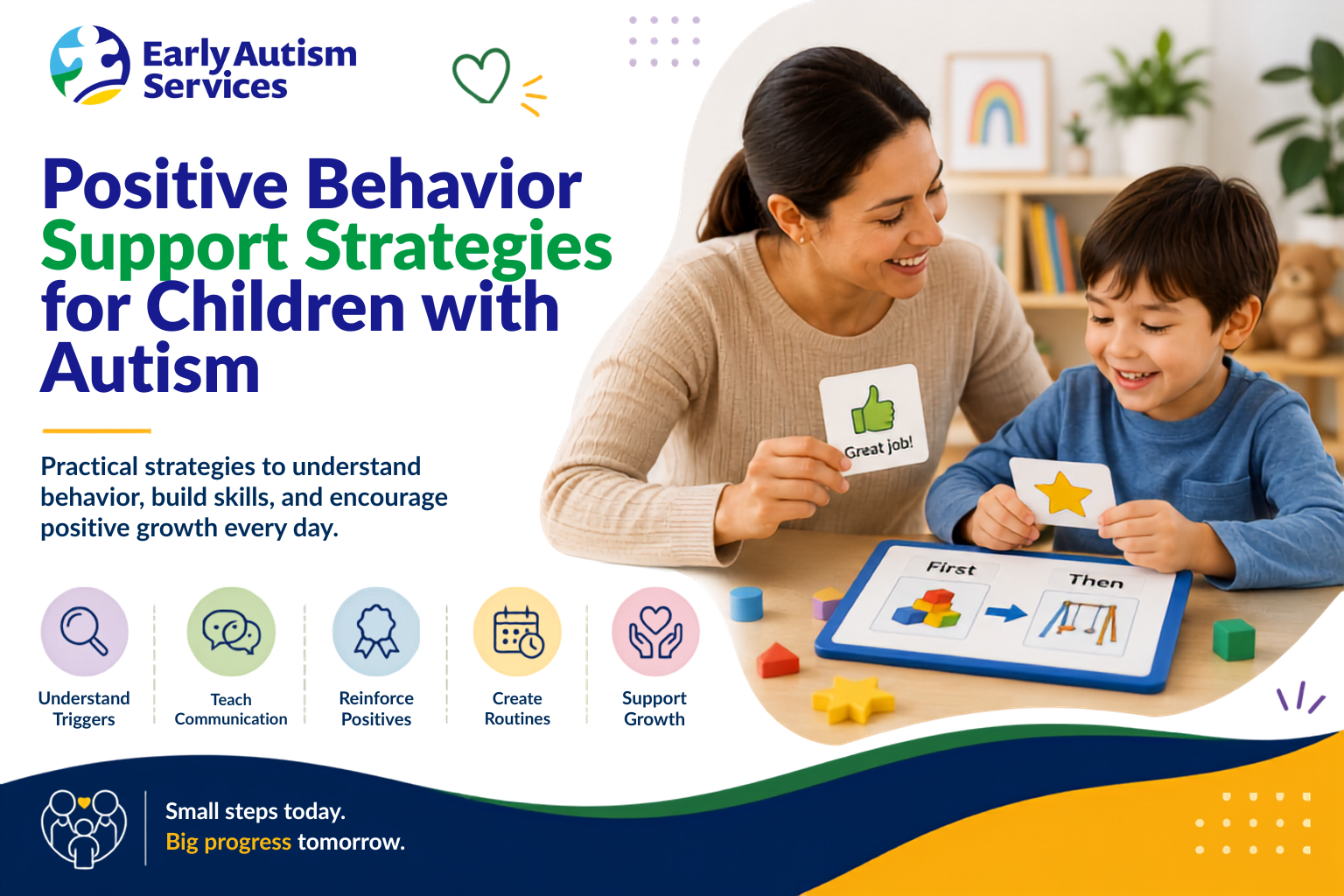
Positive Behavior Support Strategies for Children with Autism
Positive behavior support focuses on understanding why behaviors happen and helping children develop effective ways to communicate their needs. This parent-friendly guide explores practical strategies for identifying triggers, creating predictable routines, reinforcing positive skills, supporting transitions, and encouraging communication at home.
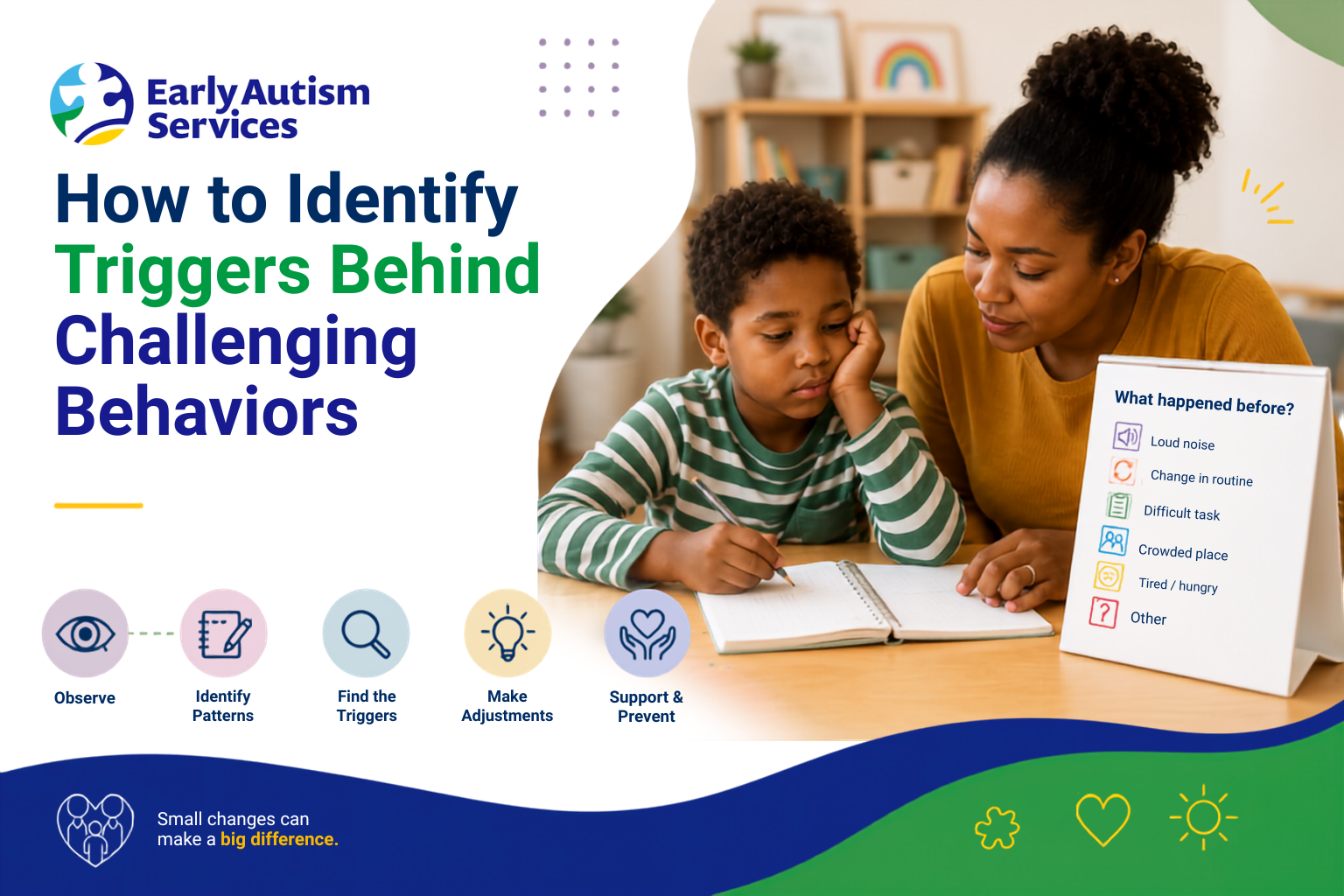
How to Identify Triggers Behind Challenging Behaviors
Challenging behaviors often have a trigger, even when they seem unpredictable. This parent-friendly guide explains how to recognize common autism behavior triggers, use the ABC method to spot patterns, and make supportive adjustments that can reduce stress and help children feel more understood.


