What is an IEP? A Parent’s Guide
Understanding an Individualized Education Program (IEP) can feel overwhelming for many parents, especially when navigating school support for a child with autism. This guide explains what an IEP is, who qualifies, how the evaluation and planning process works, and the types of services and accommodations that may be included. It also highlights the important role parents play in the IEP process and how collaboration between schools, families, and ABA therapy providers can support a child's success. By understanding available educational supports, families can feel more confident advocating for their child's learning and development.
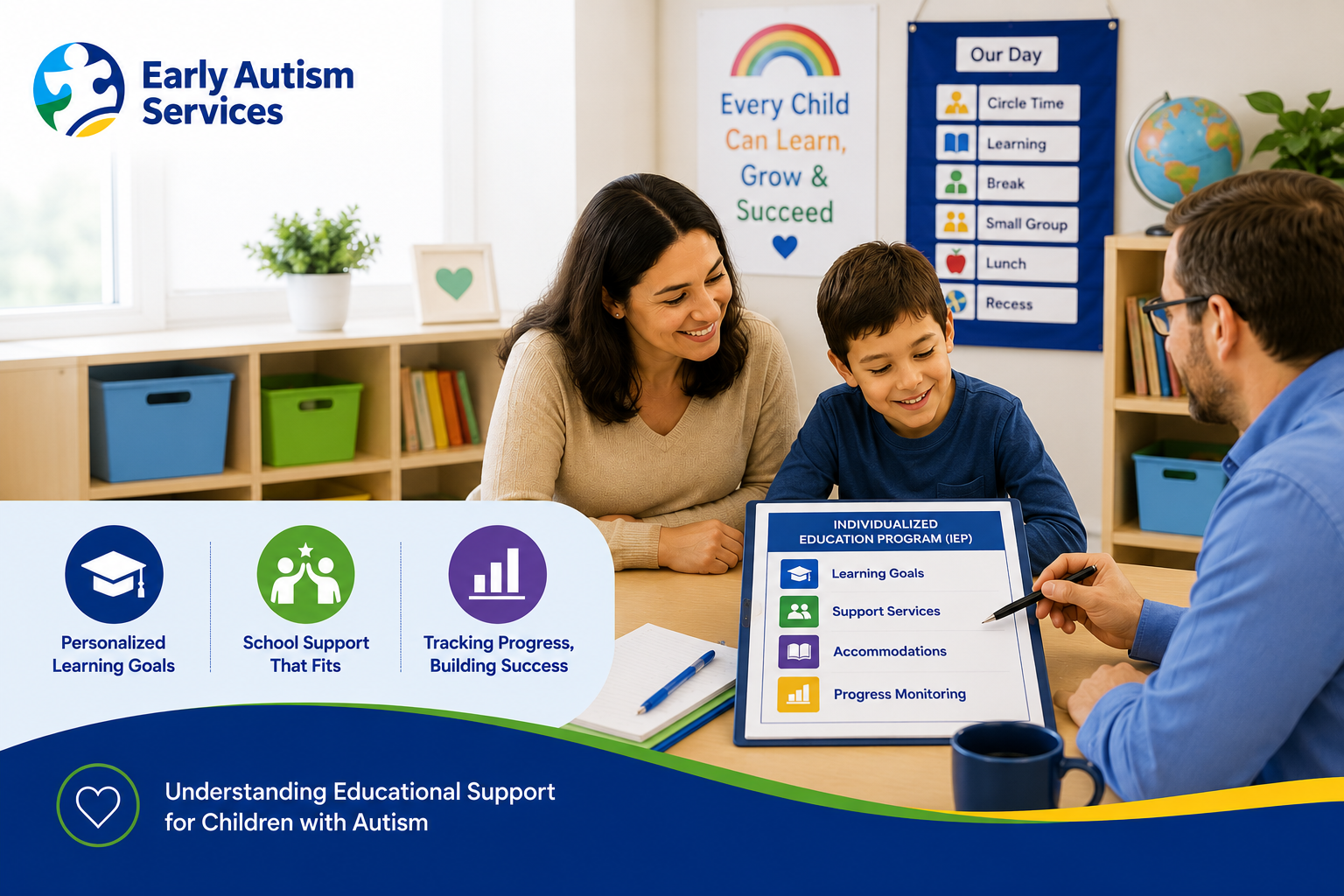
What Is an IEP? Understanding School Support for Children with Autism
As a parent, there are few moments more overwhelming than hearing a new acronym and realizing you're expected to understand it quickly.
For many families, that acronym is IEP.
Maybe a teacher mentioned it during a conference. Maybe your child recently received an autism diagnosis. Or perhaps you're noticing challenges at school and wondering what support might be available.
Wherever you are in the journey, you're not alone.
Many parents have questions about what an IEP is, how it works, and whether it could help their child succeed in school.
The good news is that an Individualized Education Program (IEP) is designed to help children receive the support they need to learn, grow, and participate more successfully in the classroom.

What Is an IEP?
An Individualized Education Program (IEP) is a written plan developed by a public school to provide specialized educational support for students who qualify for special education services.
An IEP is tailored to a child's unique needs and outlines:
- Current levels of performance
- Learning goals
- Support services
- Accommodations and modifications
- Progress monitoring methods
The purpose of an IEP is to help students access education in a way that supports their individual strengths and challenges.
Who Qualifies for an IEP?
Not every child who struggles in school automatically qualifies for an IEP.
Schools conduct evaluations to determine whether a child has a disability that affects their educational performance and whether specialized support is needed.
Children with autism spectrum disorder may qualify for an IEP when developmental, communication, social, behavioral, or learning challenges impact their ability to participate fully in the classroom environment.
How Does the IEP Process Work?
For many families, the process begins when concerns are raised by:
- Parents
- Teachers
- Pediatricians
- School staff
The typical process includes:
1. Referral for Evaluation
A parent or school team requests an evaluation to better understand the child's needs.
2. Comprehensive Assessment
The school conducts assessments that may evaluate:
- Academic skills
- Communication abilities
- Social development
- Behavior
- Adaptive functioning
3. Eligibility Determination
The school team reviews evaluation results to determine whether the child qualifies for special education services.
4. IEP Meeting
If the child qualifies, parents and school staff meet to create an individualized plan.
5. Ongoing Review
IEPs are reviewed regularly and updated as the child's needs change.
What Services Can Be Included in an IEP?
Every child's plan is different.
Depending on individual needs, an IEP may include:
- Speech-language services
- Occupational therapy
- Behavioral supports
- Social skills instruction
- Classroom accommodations
- Specialized academic instruction
The goal is to provide support that helps the child participate and progress within the school setting.
Common School Accommodations for Children with Autism
Many children benefit from accommodations that make learning more accessible.
Examples may include:
- Visual schedules
- Additional processing time
- Sensory breaks
- Structured routines
- Preferred seating arrangements
- Reduced distractions during tasks
These supports can help create a more predictable and comfortable learning environment.
How Parents will Participate in the IEP Process
Parents play a critical role in the IEP process.
You know your child best.
Helpful ways to participate include:
- Sharing observations from home
- Asking questions during meetings
- Discussing your child's strengths
- Reviewing proposed goals carefully
- Maintaining communication with teachers and support staff
Collaboration often leads to better outcomes for children.
How ABA Therapy and School Support Can Work Together
While schools provide educational support, many families also pursue services outside the classroom.
For children receiving ABA therapy, communication between parents, educators, and therapy providers can help create consistency across environments.
Skills that may be supported both at school and during therapy include:
- Communication
- Social interaction
- Following routines
- Emotional regulation
- Independent living skills
When everyone works toward shared goals, children often benefit from greater consistency and support.
Why Early Support Matters
Whether support happens at home, in therapy, or at school, early intervention can make a meaningful difference.
Children who receive support early may have more opportunities to:
- Build communication skills
- Strengthen social development
- Increase independence
- Gain confidence in new environments
Families who have concerns about development often benefit from seeking guidance sooner rather than later.
How We Support Families
At Early Autism Services, we understand that navigating evaluations, school recommendations, and therapy options can feel overwhelming.
Our team works with families to help them better understand developmental needs and explore appropriate support services.
Explore support near you:
- ABA Therapy in Richmond: https://www.earlyautismservices.com/locations/richmond
- Autism Services in Hoffman Estates: https://www.earlyautismservices.com/locations/hoffman-estates
- Early Intervention Services in Georgia: https://www.earlyautismservices.com/locations/duluth
Ready to Learn More?
If you're exploring support options for your child, our team is here to help.
Contact Early Autism Services to learn more about developmental evaluations, ABA therapy services, and family support resources available in your area.
Frequently Asked Questions
What does IEP stand for?
IEP stands for Individualized Education Program.
Does an autism diagnosis automatically qualify a child for an IEP?
Not necessarily. Schools evaluate whether a child's needs impact educational performance and require specialized support.
Can parents request an IEP evaluation?
Yes. Parents can request a school evaluation if they have concerns about their child's development or educational progress.
How often is an IEP reviewed?
Most IEPs are reviewed annually, though meetings can occur more frequently when needed.
Explore More

Behavior Is Communication: Understanding What Your Autistic Child May Be Telling You
Behavior can be an important form of communication, especially when a child cannot easily express their needs in words. This parent-friendly guide explores what an autistic child’s behavior may be communicating, how to recognize possible triggers and patterns, and supportive ways to build functional communication skills.

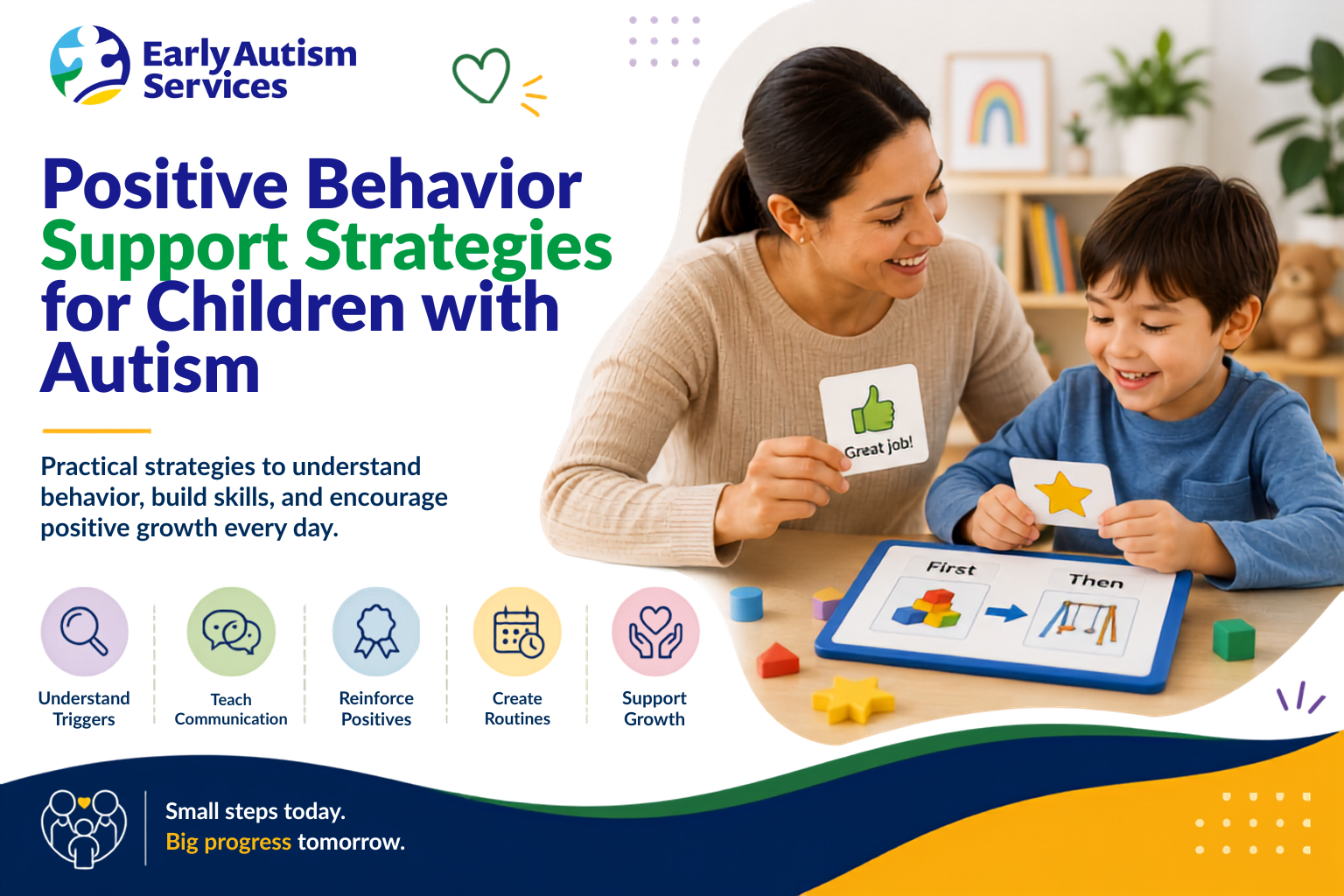
Positive Behavior Support Strategies for Children with Autism
Positive behavior support focuses on understanding why behaviors happen and helping children develop effective ways to communicate their needs. This parent-friendly guide explores practical strategies for identifying triggers, creating predictable routines, reinforcing positive skills, supporting transitions, and encouraging communication at home.
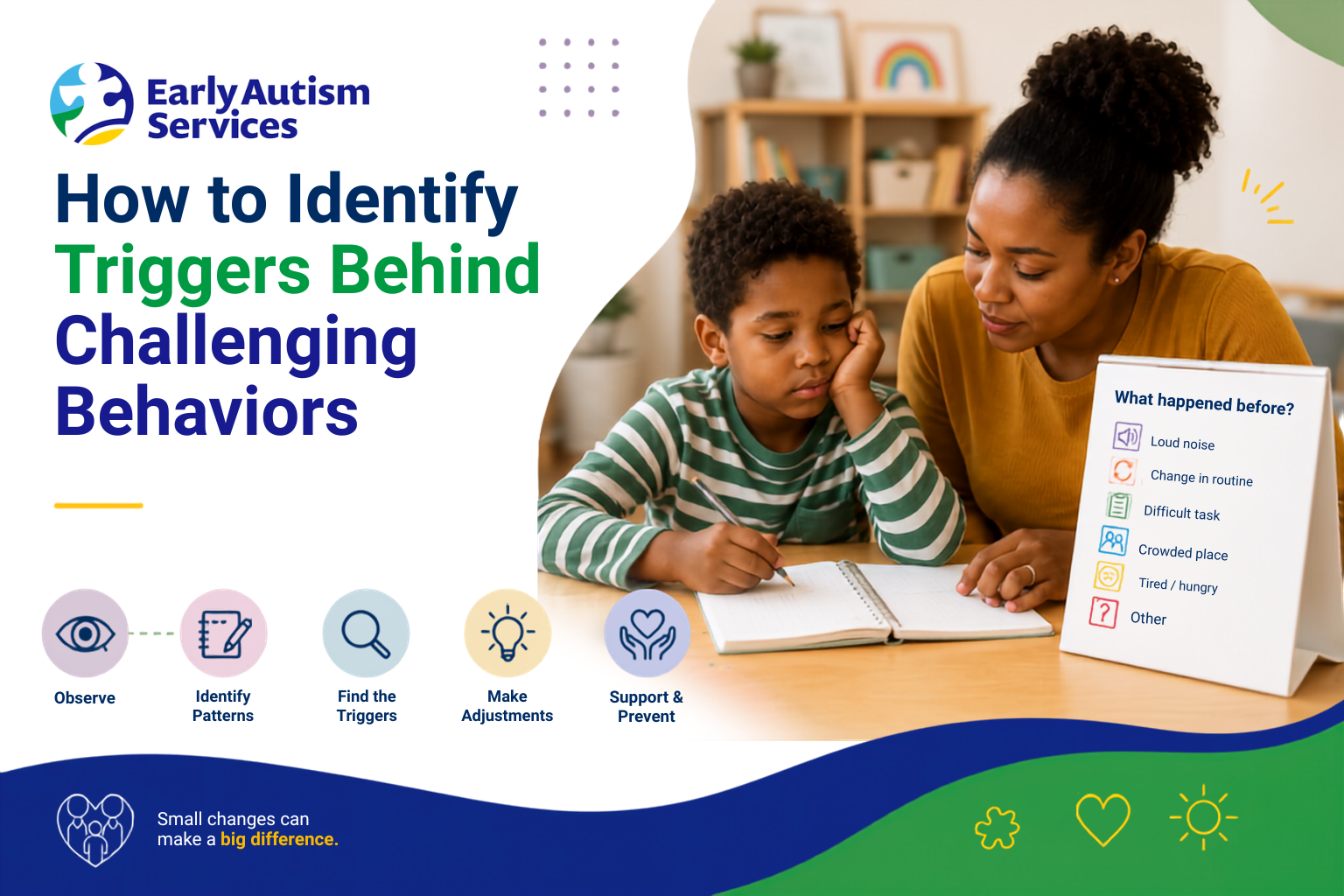
How to Identify Triggers Behind Challenging Behaviors
Challenging behaviors often have a trigger, even when they seem unpredictable. This parent-friendly guide explains how to recognize common autism behavior triggers, use the ABC method to spot patterns, and make supportive adjustments that can reduce stress and help children feel more understood.


