The Power of Early Intervention: Why Starting the Conversation Early Matters
Early intervention can make a life-changing difference in a child’s development. This blog explains why starting the conversation early helps parents understand their child’s needs, access timely support, and build essential communication, social, and life skills, laying a strong foundation for learning, confidence, and long-term success.

As a parent, you know your child better than anyone. You've celebrated every milestone, comforted every frustration, and noticed the little quirks that make them unique. But sometimes, you might observe patterns that make you wonder: Is this typical development, or could it be something more?
If you've noticed your child struggling with communication, social interactions, or certain behaviors, you're not alone, and seeking answers doesn't mean anything is "wrong." Understanding whether your child has autism can be one of the most empowering steps you take as a parent. Let's explore why early diagnosis matters and how it can open doors to support that helps your child flourish.
Why Early Autism Diagnosis Changes Everything
1. The Power of Early Intervention
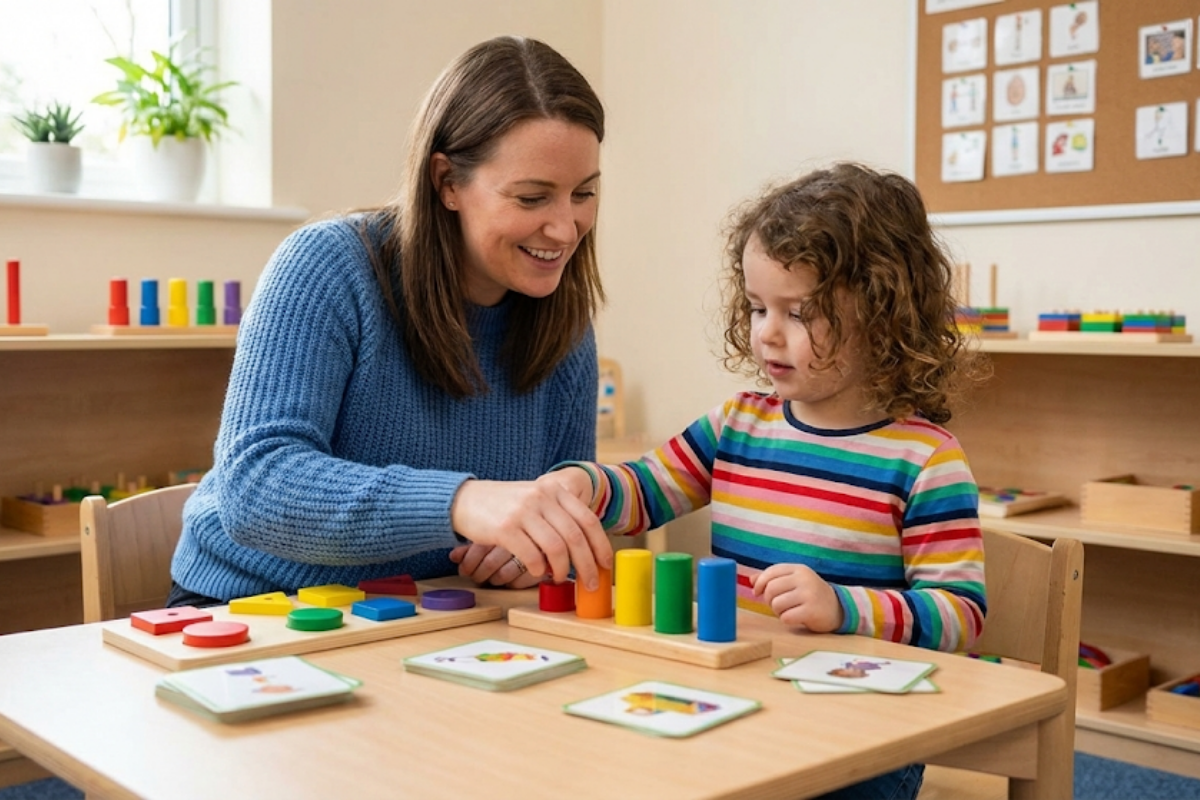
Think of early diagnosis as giving your child a head start. Research consistently shows that children who receive autism support during their early years, particularly before age 5, often experience remarkable progress in:
- Communication and language skills: Learning to express needs, emotions, and ideas more effectively
- Social connection: Building the foundation for friendships and understanding social situations
- Emotional regulation: Managing big feelings and navigating frustrations with greater ease
- Daily living skills: Gaining independence in self-care, routines, and everyday tasks
- Academic readiness: Developing learning skills that set them up for school success
The brain is incredibly adaptable during childhood. Early support works with this natural development, helping children build skills that become the foundation for everything they'll learn later. Many parents share that they wish they'd started even sooner once they see how much their child benefits from early intervention.
2. Understanding Your Child's Unique World
Every child with autism experiences the world differently. What might seem like "misbehavior" could actually be your child's way of coping with overwhelming sensory input. What looks like "stubbornness" might be difficulty transitioning between activities.
A diagnosis provides a lens to understand:
- Why your child might cover their ears in crowded places
- Why do they prefer the same routine every single day
- How do they process information differently from their siblings
- What truly brings them comfort versus what causes distress
- The logic behind behaviors that initially seemed confusing
This understanding transforms your parenting approach. Instead of feeling frustrated or confused, you gain tools to support your child in ways that actually work for them. You learn to see the world through their eyes, which strengthens your connection and makes daily life smoother for everyone.
3. Unlocking Essential Therapies and Support Services
A formal diagnosis is often the key that unlocks life-changing services. Without it, many insurance companies and school districts won't provide coverage or accommodations. With a diagnosis, your child may access:
- Applied Behavior Analysis (ABA): Evidence-based therapy that helps develop communication, social, and learning skills
- Speech and language therapy: Support for verbal communication, understanding language, and social communication
- Occupational therapy: Help with sensory processing, fine motor skills, and daily living activities
- Social skills groups: Opportunities to practice making friends and navigating social situations
- School-based services: Special education support, IEPs (Individualized Education Programs), or 504 plans
These aren't just therapies; they're investments in your child's future. They provide structured support while your child is young and their brain is most receptive to learning new skills.
4. Creating a Supportive School Experience
School can be challenging for children with autism, but it doesn't have to be. An early diagnosis ensures your child receives appropriate classroom support, such as:
- Extra time for processing information and completing tasks
- A quiet space when they feel overwhelmed
- Visual schedules and clear routines
- Sensory tools like fidgets or noise-canceling headphones
- Modified assignments that match their learning style
- Support from special education teachers or aides
Teachers who understand autism can adapt their teaching methods, recognize when your child is struggling, and celebrate their unique strengths. Instead of being misunderstood, your child gets the accommodations they need to truly participate and learn.
5. Building Skills for Life
The support your child receives now shapes who they become. Early intervention helps children develop:
- Self-advocacy: Understanding their needs and learning to ask for help
- Coping strategies: Managing anxiety, transitions, and unexpected changes
- Social relationships: Making friends and maintaining connections
- Independence: Taking care of themselves and navigating daily life
- Confidence: Believing in themselves and their abilities
These skills compound over time. A child who learns communication strategies at age 4 will find it easier to make friends at age 8 and navigate middle school at age 12.
Recognizing the Signs: What Parents Often Notice
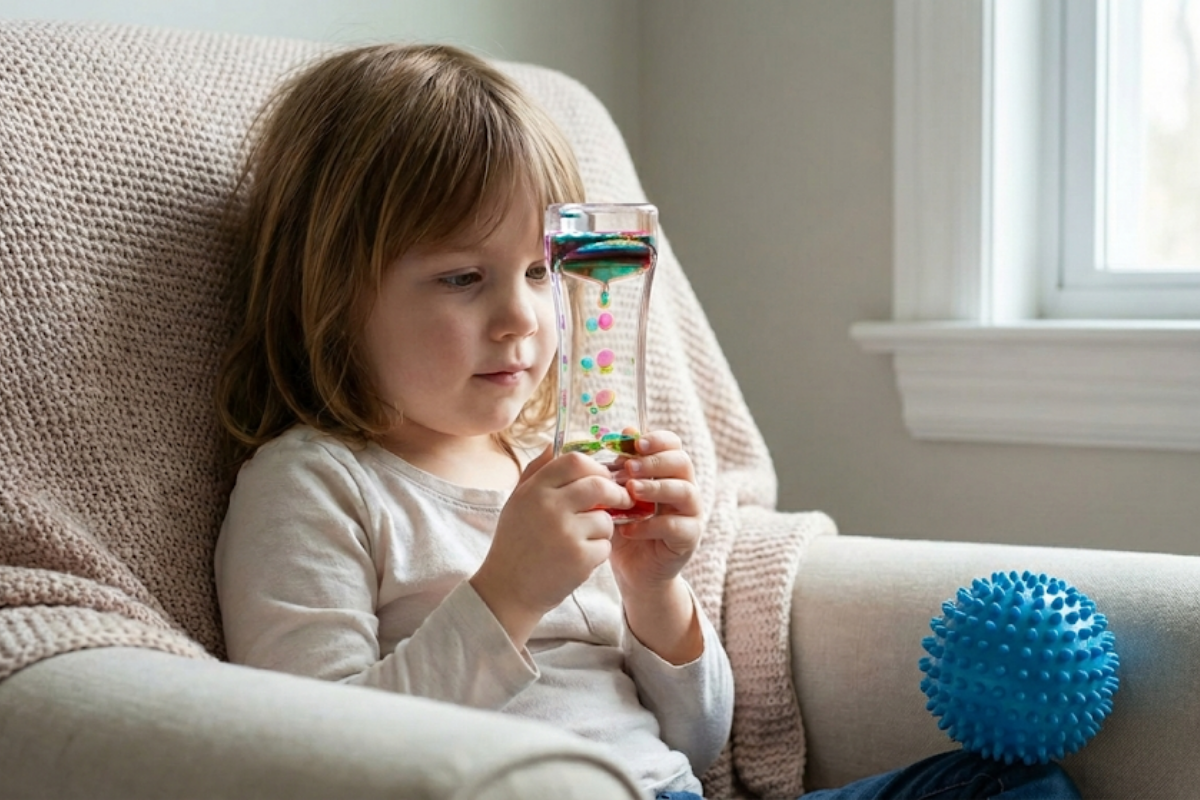
Every child develops differently, but certain patterns may indicate autism. You might observe:
Communication Differences:
- Limited vocabulary for their age or speech delays
- Difficulty explaining what they want or how they feel
- Repeating the same phrases over and over (echolalia)
- Not responding when you call their name
Social Challenges:
- Preferring solo play over playing with other children
- Avoiding or having difficulty with eye contact
- Not showing interest in typical peek-a-boo or pretend play games
- Missing social cues that other children seem to understand naturally
Behavioral Patterns:
- Repetitive movements like hand-flapping, spinning, or rocking
- Needing things to happen the same way every time
- Intense fascination with specific topics or objects
- Strong reactions to sensory experiences, certain textures, sounds, lights, or smells
Learning and Development:
- Excelling in some areas while struggling significantly in others
- Difficulty shifting from one activity to another
- Delays in reaching developmental milestones
- Unique learning style that doesn't match typical teaching methods
Remember: noticing these signs doesn't automatically mean your child has autism. Many conditions share similar characteristics. Only a comprehensive professional evaluation can provide an accurate diagnosis.
What the Diagnosis Process Involves
If you're considering an evaluation, here's what typically happens:
- Initial screening: Often completed by your pediatrician using standardized questionnaires
- Detailed interviews: Discussion about your child's developmental history and current behaviors
- Direct observation: Professionals watch how your child plays, communicates, and interacts
- Standardized assessments: Tests designed to evaluate development across multiple areas
- Team feedback: Clear explanation of findings and recommendations
The process is collaborative and supportive. Professionals work with you, not against you, to understand your child fully.
Supporting Your Entire Family
A diagnosis doesn't just help your child, it helps everyone in your family. Parents often feel immense relief, finally having an explanation for challenges they've observed. You gain access to parent training programs, support groups, and resources that make daily life more manageable. Siblings learn to understand and support their brother or sister better. Grandparents and extended family gain insight into how they can help.
Trust Your Instincts
You know your child. If something feels different, if you have concerns that won't go away, trust those instincts. Seeking an evaluation isn't admitting failure; it's being an advocate for your child. Even if the assessment doesn't result in an autism diagnosis, you'll gain valuable insights about your child's development and needs.
Moving Forward
Getting an autism diagnosis is not the end of anything; it's a beginning. It's the start of understanding your child more deeply, accessing support that makes a real difference, and watching them develop skills you might have worried they'd never gain. With early intervention, appropriate therapies, and your unwavering support, children with autism can build meaningful relationships, succeed in school, pursue their interests, and live fulfilling lives.
If you're noticing signs or have questions about your child's development, reach out to your pediatrician or a developmental specialist. That conversation could be the first step toward giving your child exactly what they need to thrive.
Explore More

Behavior Is Communication: Understanding What Your Autistic Child May Be Telling You
Behavior can be an important form of communication, especially when a child cannot easily express their needs in words. This parent-friendly guide explores what an autistic child’s behavior may be communicating, how to recognize possible triggers and patterns, and supportive ways to build functional communication skills.

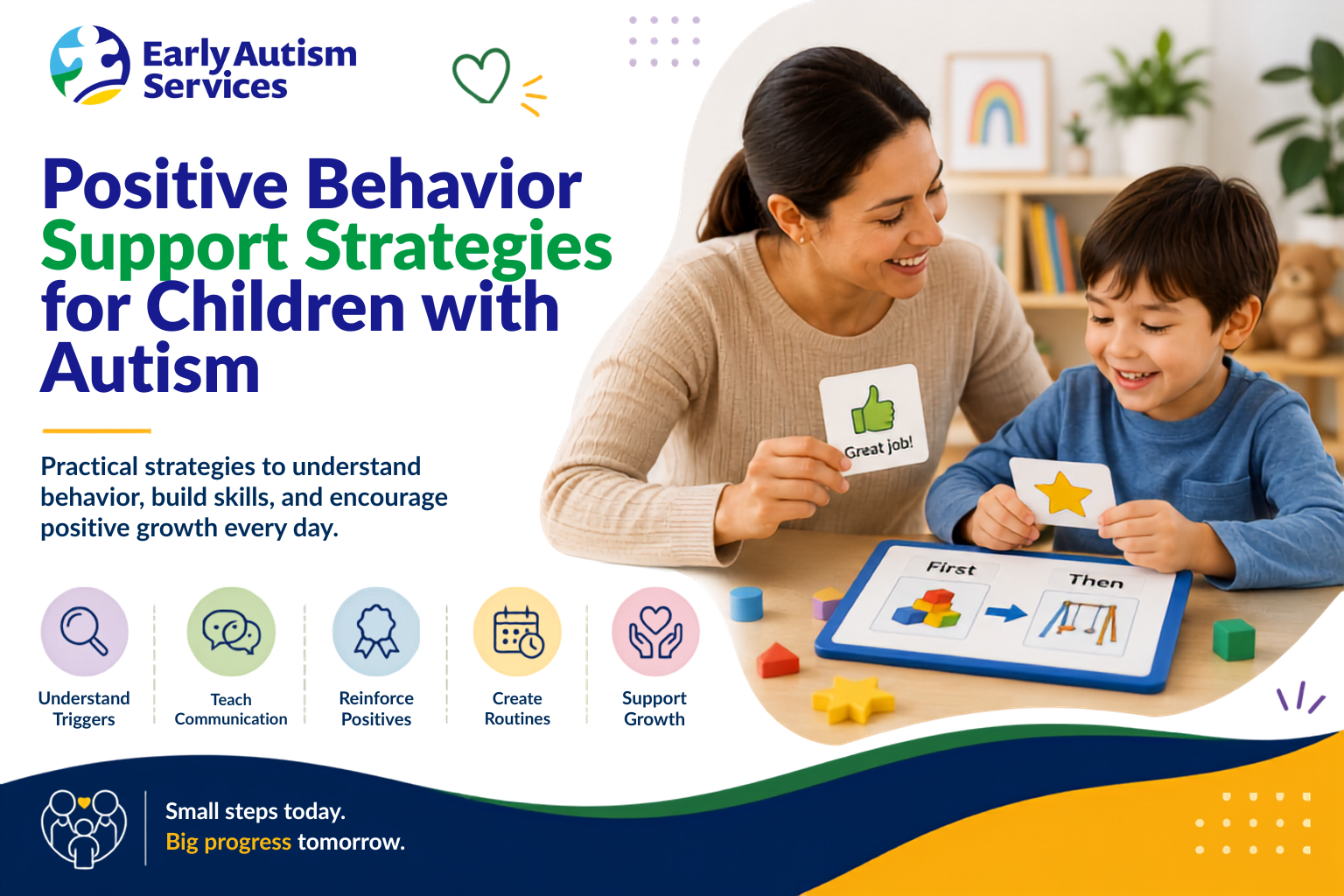
Positive Behavior Support Strategies for Children with Autism
Positive behavior support focuses on understanding why behaviors happen and helping children develop effective ways to communicate their needs. This parent-friendly guide explores practical strategies for identifying triggers, creating predictable routines, reinforcing positive skills, supporting transitions, and encouraging communication at home.
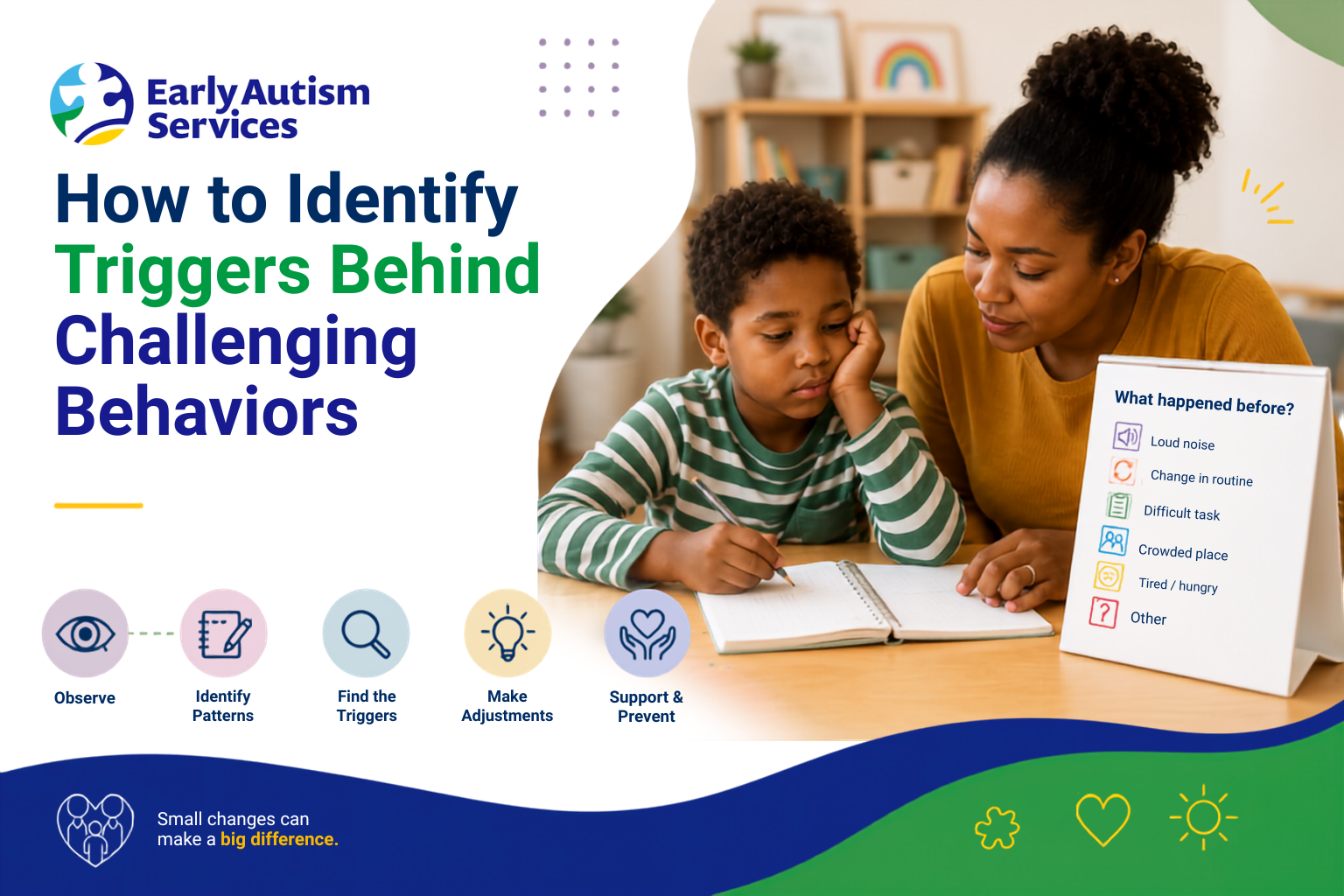
How to Identify Triggers Behind Challenging Behaviors
Challenging behaviors often have a trigger, even when they seem unpredictable. This parent-friendly guide explains how to recognize common autism behavior triggers, use the ABC method to spot patterns, and make supportive adjustments that can reduce stress and help children feel more understood.


