Meaningful Gifts That Support Calm, Play & Learning for Children with Autism
This blog offers a thoughtful guide to sensory-friendly gifts and activities that support calm, play, and learning for children with autism. It highlights how understanding sensory preferences and choosing gentle, engaging tools can reduce overwhelm, encourage emotional regulation, and create joyful, meaningful play experiences at home.

Finding the right gift for a child with sensory sensitivities can feel overwhelming. Many parents and caregivers want toys and activities that are not only fun but also calming, engaging, and supportive of a child's unique sensory needs.
This gift guide is designed to help you choose sensory-friendly toys and activities that encourage play, emotional regulation, and skill-building without overstimulation. Whether you're shopping for a birthday, holiday, or everyday play, these ideas focus on comfort, creativity, and connection.
Why Sensory-Friendly Gifts Matter
Children experience the world in profoundly different ways. Some may actively seek movement, varied textures, or rhythmic sounds, while others may feel overwhelmed by bright lights, loud noises, or busy environments. Sensory-friendly toys and activities provide meaningful support by helping children regulate their emotions, maintain focus and engagement, offer calming input during challenging transitions, and transform playtime into a more enjoyable and less stressful experience.
The goal isn't to "fix" sensory preferences, it's to honor them and create safe, positive play experiences that celebrate each child's unique way of interacting with the world.
Sensory-Friendly Toys for Calm and Comfort
Calming toys help children feel grounded, especially during moments of stress, transitions, or quiet time. These tools provide the gentle sensory input many children need to self-regulate and find their center.
Best Options to Consider:
- Fidget toys, including stress balls, pop-it toys, textured rings, and sensory chains
- Weighted items such as lap pads or weighted stuffed animals
- Soft sensory plushies featuring varied textures like silky tags, corduroy patches, or fuzzy surfaces
- Calm-down bottles filled with slow-moving glitter, beads, or colored water
- Chewable jewelry made from safe, non-toxic silicone for oral sensory seekers
These toys are especially beneficial for children who find comfort in tactile input or gentle deep pressure.
Sensory Toys That Encourage Focus and Engagement
Some children seek sensory input to help them stay alert and engaged throughout the day. These toys offer the right amount of stimulation without overwhelming delicate sensory systems.
Popular Sensory Toy Ideas:
- Building toys like wooden blocks, magnetic tiles, or interlocking construction sets
- Cause-and-effect toys such as marble runs, simple machines, or button-activated toys
- Textured puzzles with raised pieces or different materials
- Sensory bins filled with rice, dried beans, kinetic sand, water beads, or pompoms
- Light-up toys with gentle, non-flashing illumination
- Kinetic sand or modeling clay for tactile exploration
These options promote problem-solving, fine motor development, concentration, and independent play while engaging multiple senses simultaneously.
Sensory Activities for Children with Autism (Beyond Toys)
Not all sensory experiences need to come from store-bought toys. Everyday activities can be equally meaningful, engaging, and therapeutic, often at little to no cost.
Easy Sensory Activities at Home:
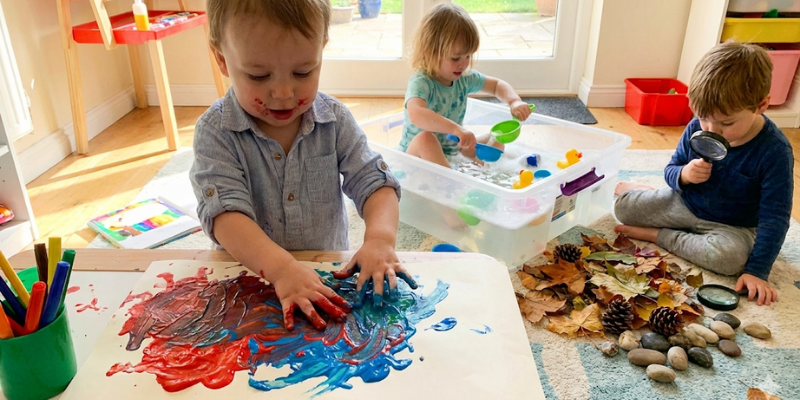
- Art activities using finger paints, textured crayons, modeling clay, or collage materials
- Water play with measuring cups, sponges, floating toys, or bubble solutions
- Music and movement featuring soft rhythms, gentle dancing, or simple instruments
- Nature-based play exploring leaves, smooth stones, sand, pinecones, or safe plants
- Baking together, which combines measuring, mixing, and the reward of tasting
- Creating sensory paths with different textures on the floor (bubble wrap, soft rugs, textured mats)
These activities encourage creativity, exploration, and bonding while naturally supporting sensory regulation and skill development.
Calming Tools for Children with Sensory Sensitivities
For children who become easily overwhelmed, calming tools help create a predictable sense of safety and routine in their environment.
Soothing Gift Ideas:
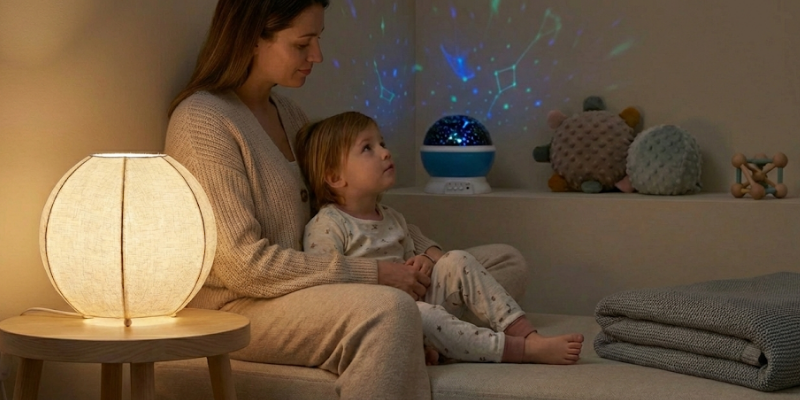
- Soft lighting, including dimmable lamps, color-changing night lights, or star projectors
- Breathing buddies or mindfulness toys that encourage slow, deep breathing
- White noise machines or nature sound players
- Comfort items like soft blankets, silky scarves, or favorite textures
These gifts prove especially useful during bedtime routines, transitions between activities, or when creating a calm-down corner at home.
Gift Ideas Based on Sensory Preferences
Every child has unique sensory preferences. Choosing gifts that align with whether a child seeks or avoids certain sensory input can dramatically improve their play experience.
For Sensory-Seeking Children:
- Mini trampolines or indoor bounce equipment
- Therapy balls, wobble cushions, or rocking toys
- Musical instruments with adjustable volume controls
- Body socks or stretchy resistance bands
- Scooter boards or spinning toys
For Sensory-Avoiding Children:
- Soft, neutral-colored toys without loud sounds or bright lights
- Simple wooden puzzles with minimal pieces
- Quiet books, visual schedules, or felt boards
- Gentle, predictable toys without surprise elements
- Drawing and coloring materials with smooth textures
For Mixed Sensory Profiles:
- Adjustable toys that can be modified based on the child's current needs
- Open-ended materials, like building blocks, that allow child-led play
- Toys with on/off switches for sound and light features
Observing what a child naturally gravitates toward provides better guidance than age labels, marketing trends, or well-meaning assumptions.
Tips for Choosing the Right Sensory-Friendly Gift
Before making a purchase, consider these practical guidelines:
- Start simple. Fewer features often mean less sensory overwhelm and more opportunities for creative play.
- Test when possible. Check textures, sounds, and lights before gifting. If buying online, read detailed reviews from other parents of children with sensory needs.
- Avoid common triggers. Skip flashing lights, sudden loud noises, strong artificial scents, or rough textures unless you know the specific child enjoys them.
- Choose versatile options. Toys that can be used in multiple ways tend to maintain interest longer and grow with the child.
- Consider the environment. Think about where the toy will be used; some toys work better for calm spaces while others suit active play areas.
- Ask caregivers. When possible, consulting with parents or therapists ensures your gift will be both welcome and useful.
- When in doubt, practical and calming options remain a safe, thoughtful choice.
Supporting Play Beyond Gifts
Toys and activities serve as valuable tools, but the real impact comes from how play is supported and nurtured. Creating predictable routines, offering meaningful choices, following a child's lead, and celebrating small moments of joy can transform sensory play from a simple activity into a powerful opportunity for connection and growth.
At Early Autism Services, we focus on nurturing environments that support each child's strengths, comfort, and development, both in therapy settings and at home. We believe that understanding and honoring sensory needs isn't just about managing challenges; it's about unlocking potential and creating space for children to thrive on their own terms.
Final Thoughts
Sensory-friendly toys and activities aren't about following trends or checking boxes. They're about creating joyful, comfortable experiences that support and celebrate a child's unique way of interacting with the world.
Whether you're a parent, family member, friend, or caregiver, thoughtful gift choices can make playtime more calming, engaging, and empowering. Sometimes the most meaningful gifts aren't the biggest or most expensive; they're the ones chosen with care, observation, and genuine understanding of who that child is and what brings them comfort and joy.
One small, sensory-friendly moment at a time, we can help children feel seen, supported, and celebrated for exactly who they are.
Explore More
How Early Autism Services Is Expanding Access to ABA Therapy for Families
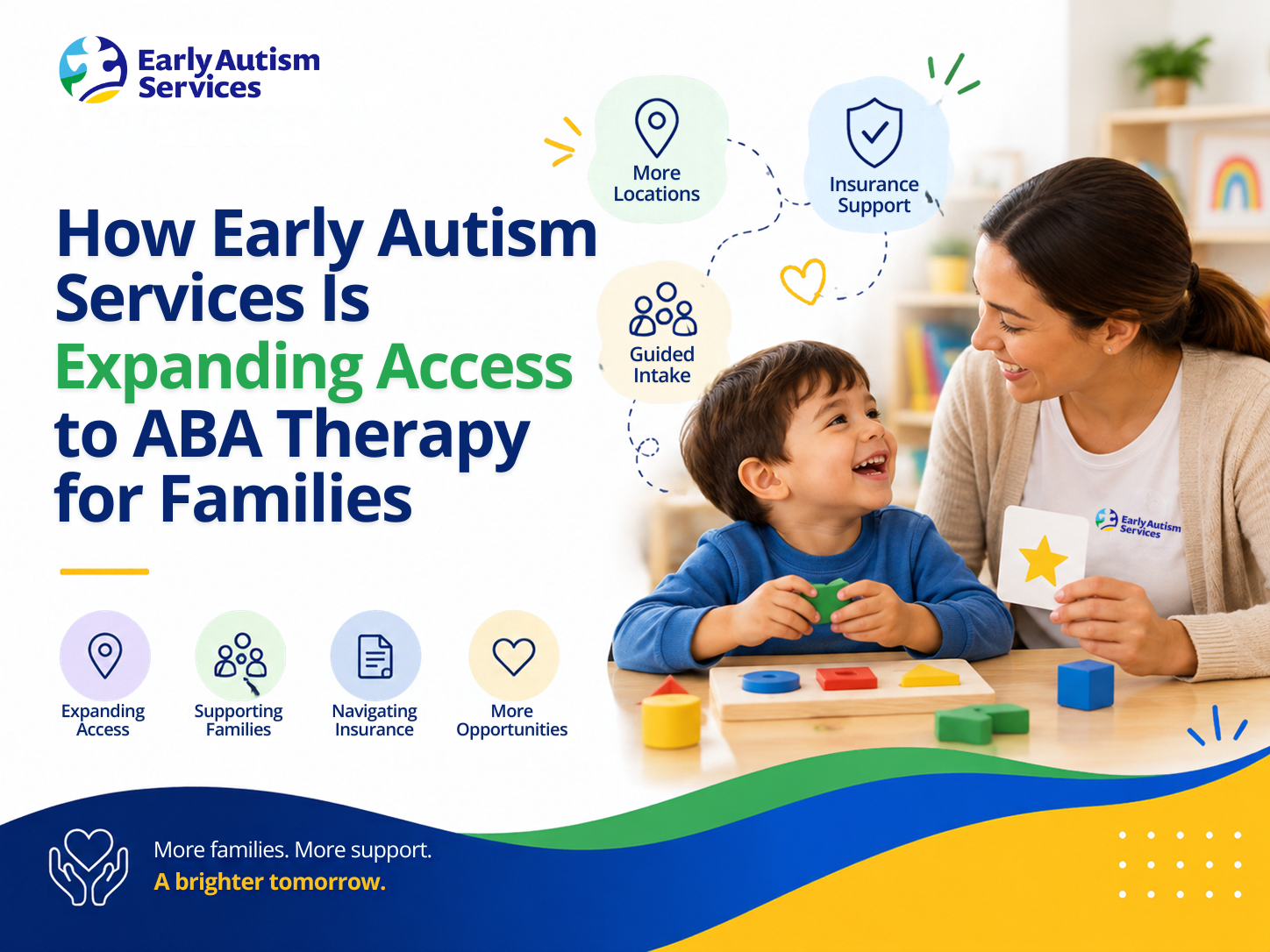
Accessing ABA therapy can feel overwhelming for families, especially when navigating service options, insurance, Medicaid, and the intake process. Early Autism Services works to make ABA therapy more accessible by offering different service settings, supporting families through insurance and intake, and providing individualized care based on each child’s needs.


Behavior Is Communication: Understanding What Your Autistic Child May Be Telling You
Behavior can be an important form of communication, especially when a child cannot easily express their needs in words. This parent-friendly guide explores what an autistic child’s behavior may be communicating, how to recognize possible triggers and patterns, and supportive ways to build functional communication skills.
Positive Behavior Support Strategies for Children with Autism
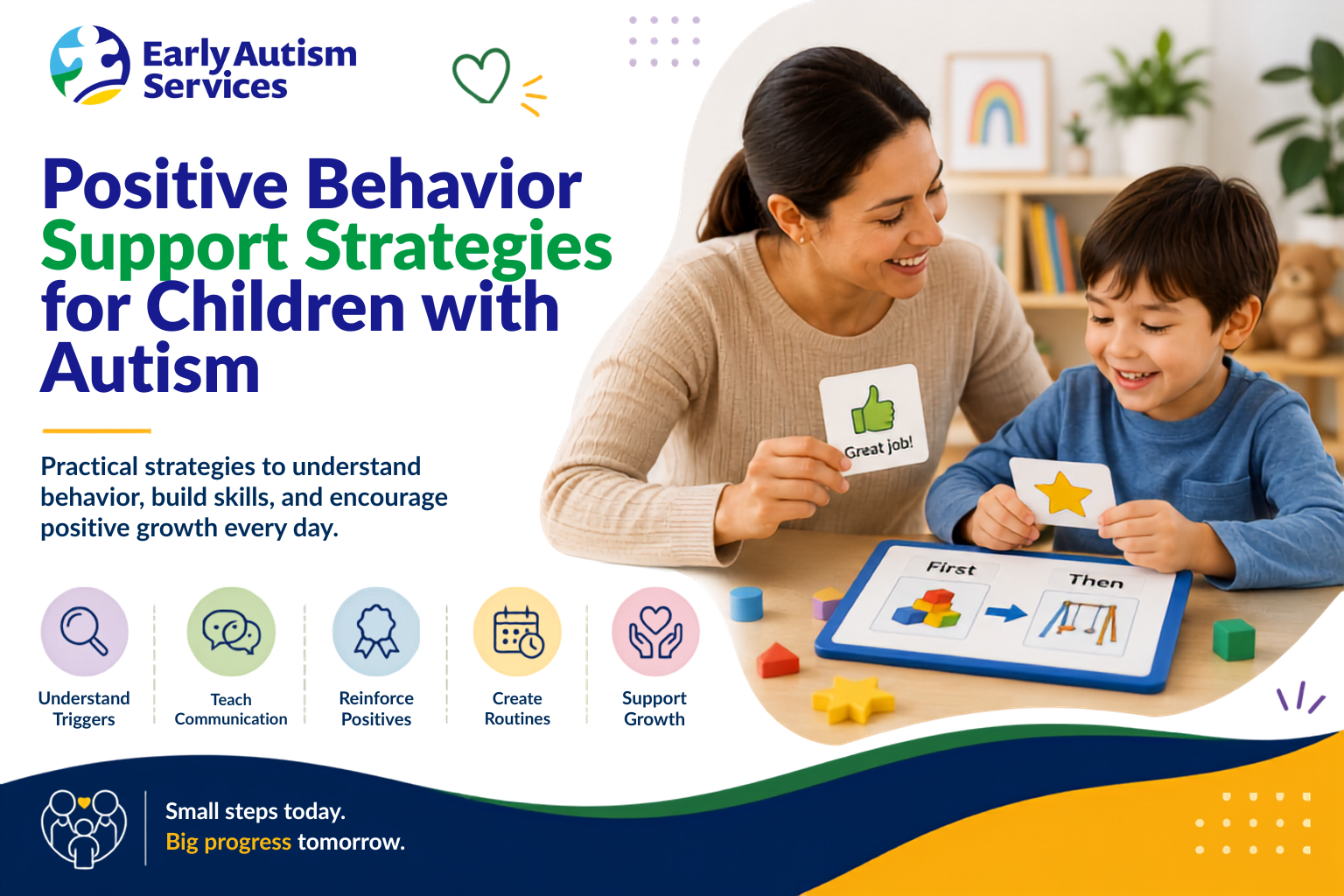
Positive behavior support focuses on understanding why behaviors happen and helping children develop effective ways to communicate their needs. This parent-friendly guide explores practical strategies for identifying triggers, creating predictable routines, reinforcing positive skills, supporting transitions, and encouraging communication at home.


