Daycare Challenges in Toddlers: When to Pause and Seek Support
Toddlers may struggle with daycare routines, transitions, and social interactions, which is often a normal part of development. However, when challenges are persistent or more intense than expected, they may signal the need for extra support. Paying attention to caregiver feedback and trusting parental instincts can help families decide when to pause and seek guidance. Early support fosters understanding, confidence, and emotional well-being.

Introduction
Parents and friends often ask me how I knew it was time to seek help for my youngest, Emma. I moved her between different daycare settings and worked with various teachers, hoping a change in environment would help. Yet the feedback remained strikingly similar:
“She seems anxious.”
“Transitions are hard for her.”
“She struggles more than her peers.”
Hearing comments like these once is easy to brush off. Toddlers have difficult days. But hearing them repeatedly made me pause. I realized that seeking help isn’t about labeling a child—it’s about understanding what they need and supporting them early, with compassion.
Children between 18 months and 3 years are still developing their understanding of the world. Language, emotional regulation, attention, and social skills are all emerging during this period. Because of this, many challenges in daycare are often explained away as “part of the learning process.” And often, that explanation is correct.
However, there are moments when persistent struggles signal that a child may need additional support rather than more time alone.
In this article, we’ll focus on:
- Navigating common daycare challenges in toddlers
- Recognizing possible autism-related signs in daycare settings
- Practical, supportive tips for parents of autistic children
Navigating Daycare Challenges

As parents, our instinct is to protect our children from discomfort and struggle. We want daycare to feel safe, joyful, and nurturing. So when something feels “off,” it’s natural to second-guess ourselves. Still, your intuition matters, especially when paired with consistent observations from caregivers.
When toddlers start daycare, it’s completely normal for them to:
- Cry during drop-offs
- Resist new routines
- Struggle with sharing or turn-taking
- Have occasional meltdowns
- Need extra comfort from caregivers
Adjustment takes time, and many toddlers need weeks or even months to feel secure in a new environment.
However, it may be worth pausing and observing more closely if challenges:
- Persist well beyond the adjustment period
- Seem significantly more intense than what peers experience
- Interfere with your child’s ability to participate in daily activities
Teachers play a key role here. If educators consistently report concerns such as:
“It’s hard to communicate with them.”
“Transitions lead to frequent meltdowns.”
“They seem overwhelmed most of the day.”
…it may be time to seek guidance. This doesn’t mean something is “wrong.” It simply means your child may need more individualized support than the current environment can provide.
Recognizing Autism-Related Signs in Daycare

Autism Spectrum Disorder (ASD) is a neurodevelopmental condition that can begin to show signs in early childhood. Daycare environments - because they involve routines, transitions, social interaction, and sensory input - often highlight challenges that may not be as noticeable at home.
It’s important to remember: one sign alone does not indicate autism. However, patterns that persist over time may warrant further evaluation.
Some potential signs to watch for in daycare settings include:
- Meltdowns that escalate or linger, especially during transitions, to the point that they disrupt daily routines
- Frequent withdrawal or limited engagement with peers that does not improve over time
- Minimal verbal or nonverbal communication, such as little pointing, gesturing, eye contact, or use of words
- Difficulty understanding simple directions despite repeated exposure
- Strong resistance to changes in routine, environment, or caregivers
It’s completely appropriate to allow children time to adjust. But if these behaviors continue after consistent exposure and support, seeking professional input can help clarify whether your child would benefit from early intervention services.
Early support does not change who a child is; it helps them navigate the world more easily.
Essential Tips for Parents of Autistic Children
Through my personal journey and conversations with professionals, I’ve learned several strategies that can make daily life more manageable for autistic children and their families.
1. Use Positive Reinforcement
Every child - on the spectrum or not - responds well to encouragement. When your child engages in positive behavior:
- Praise them immediately
- Be specific about what they did well
- Pair praise with small rewards they enjoy
For example, a favorite sticker, toy animal, or extra playtime can reinforce positive experiences. Specific praise helps children understand why they’re being celebrated.
2. Engage in Activities Your Child Enjoys
Motivation grows when learning feels like play. Identify activities your child naturally gravitates toward, such as:
- Puzzles
- Building blocks or LEGO sets
- Toy trains or cars
- Sensory play
Sit with them, follow their lead, and engage at their pace. Shared enjoyment builds connection and encourages communication naturally.
3. Accept and Use Support
Parenting can be exhausting, especially when navigating developmental concerns. It’s okay to:
- Ask for help from caregivers or family members
- Take breaks when needed
- Share responsibilities
Support can exist inside your home, outside of it, or both. Caring for yourself allows you to show up more fully for your child.
4. Seek Community Support
Connection matters. Whether online or in person, communities of parents, professionals, and educators can provide reassurance and guidance. Consider:
- Parent support groups
- Early childhood professionals
- Autism-informed daycare settings
Look for environments that support evidence-based therapies and collaborate with qualified professionals, such as BCBA-supervised programs, when appropriate.
Building a supportive “village” helps ensure your child is understood, not judged.
Final Thoughts
Daycare challenges are a normal part of toddlerhood, but persistent or intense struggles deserve attention, not dismissal. Seeking help early is not about assigning label sit’s about understanding your child’s needs and offering them the right tools to thrive.
By listening to consistent feedback, trusting your instincts, and seeking support when needed, you give your child the gift of understanding and compassion. Every child develops differently, and with the right environment and guidance, they can grow with confidence, comfort, and joy.
Explore More

Behavior Is Communication: Understanding What Your Autistic Child May Be Telling You
Behavior can be an important form of communication, especially when a child cannot easily express their needs in words. This parent-friendly guide explores what an autistic child’s behavior may be communicating, how to recognize possible triggers and patterns, and supportive ways to build functional communication skills.

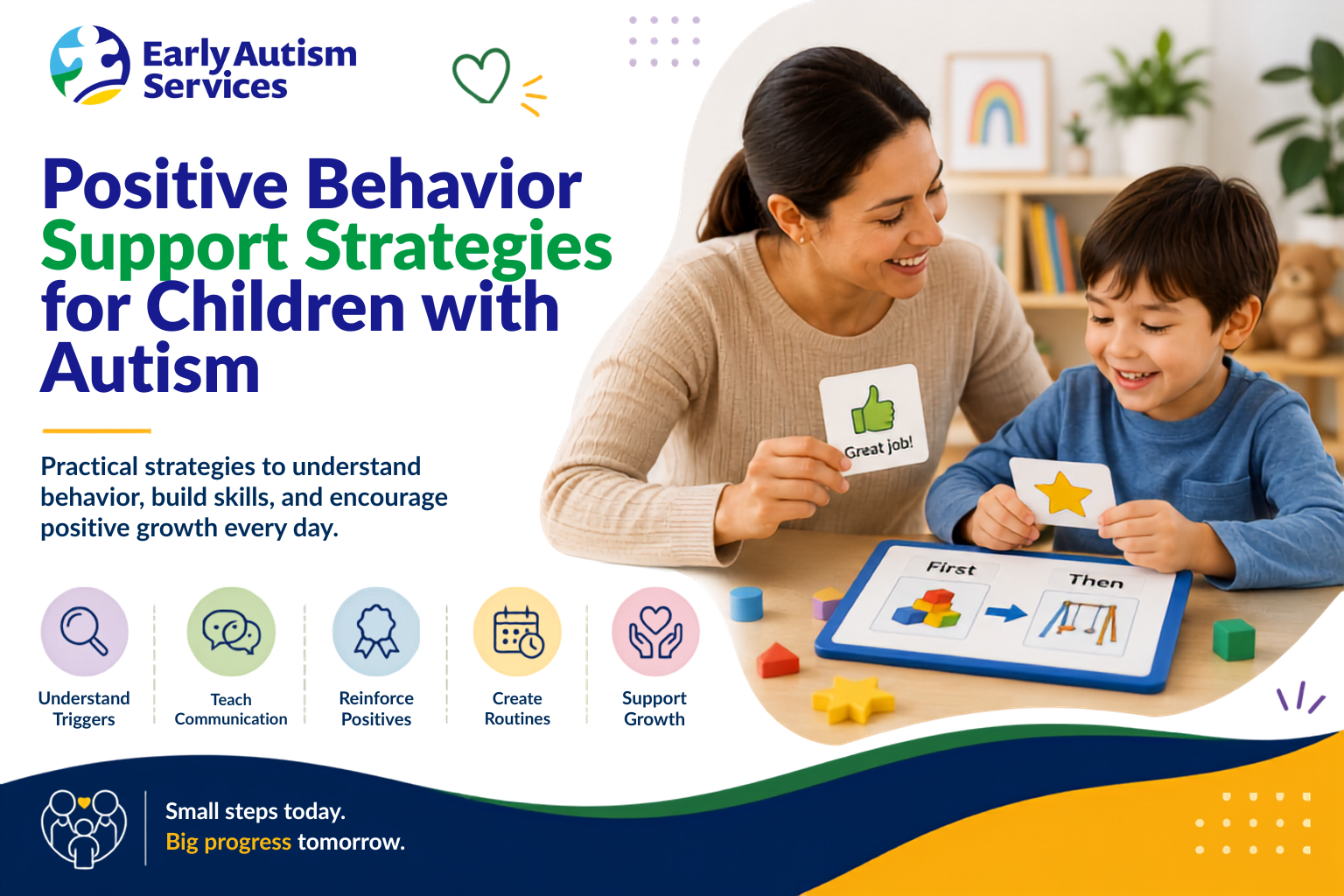
Positive Behavior Support Strategies for Children with Autism
Positive behavior support focuses on understanding why behaviors happen and helping children develop effective ways to communicate their needs. This parent-friendly guide explores practical strategies for identifying triggers, creating predictable routines, reinforcing positive skills, supporting transitions, and encouraging communication at home.
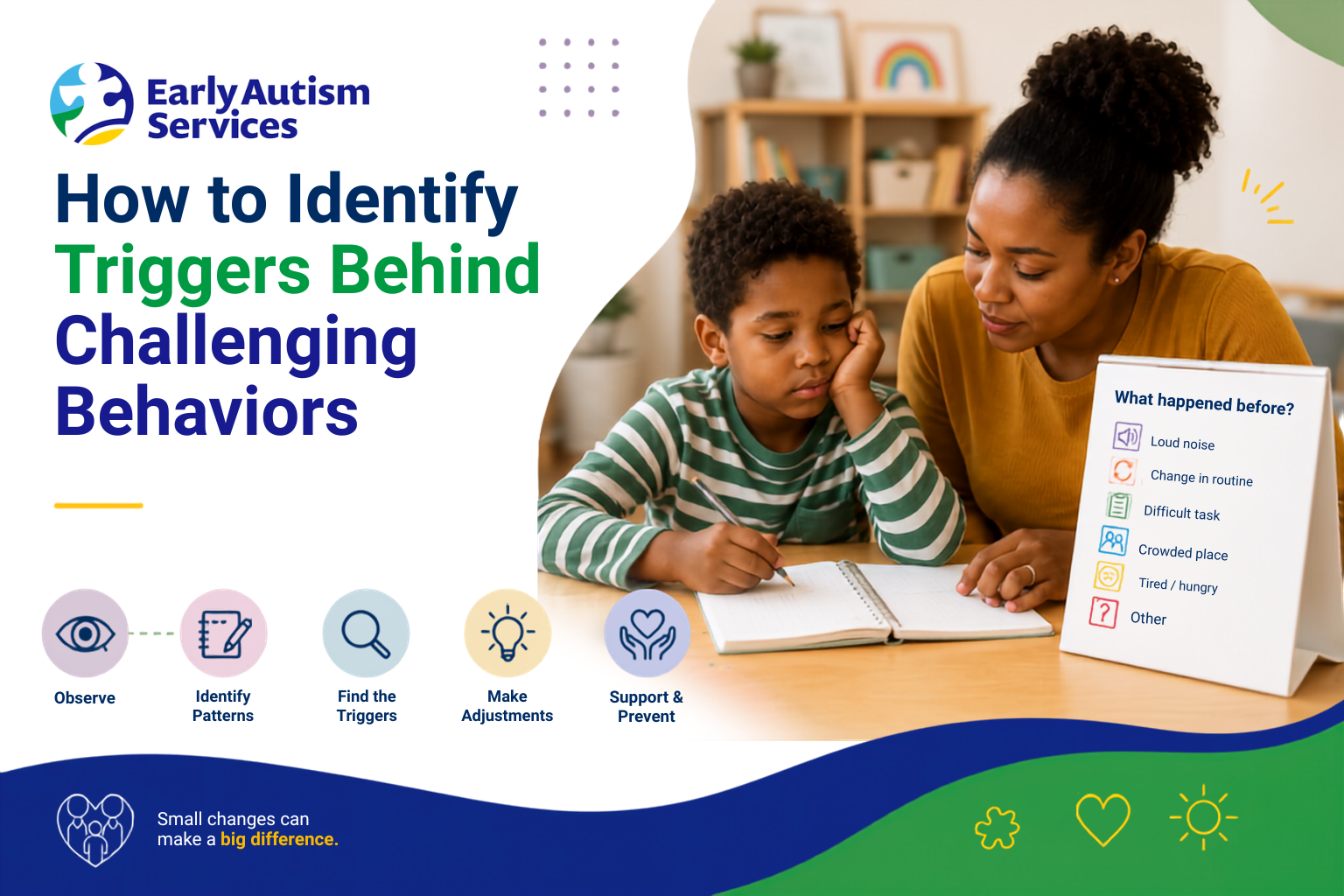
How to Identify Triggers Behind Challenging Behaviors
Challenging behaviors often have a trigger, even when they seem unpredictable. This parent-friendly guide explains how to recognize common autism behavior triggers, use the ABC method to spot patterns, and make supportive adjustments that can reduce stress and help children feel more understood.


