Sensory-Friendly Winter Activities for Children with Autism
Winter can be challenging for children with autism due to sensory sensitivities and routine changes. This blog offers sensory-friendly indoor and outdoor activity ideas, ABA strategies to maintain routines, and clothing and comfort tips. With thoughtful planning and EAS support, families can help children stay calm, engaged, and happy throughout the winter season.

Introduction
Winter can be a challenging season for children with autism. Cold temperatures, heavy clothing, shorter days, and holiday disruptions can impact routines, sensory comfort, and overall engagement. However, with thoughtful planning, parents and caregivers can create meaningful, enjoyable experiences that keep children active and calm.
In this blog, we share sensory-friendly winter activities for children with autism, along with practical tips to maintain routines and support sensory comfort. For more activity ideas, check out our blog resources.
Why Winter Can Be Challenging for Children with Autism
Children with autism often have heightened sensory sensitivities, making winter clothing, cold air, or snow textures uncomfortable. Changes in routine, like school breaks or holiday events, can also lead to anxiety or overstimulation. Parents may notice meltdowns or disengagement during seasonal transitions.
Autism winter tips include maintaining structured daily routines, gradually introducing outdoor activities, and using sensory-friendly clothing. These strategies can help children feel secure and confident even during the coldest months.
Sensory-Friendly Indoor Activities to Try
Indoor activities are perfect for maintaining engagement when it’s too cold to play outside. Here are a few sensory-friendly ideas:
- Playdough Creations: Encourage creativity while developing fine motor skills.
- Obstacle Courses: Use pillows, tunnels, and soft mats to create fun movement challenges.
- Craft Projects: Simple crafts, like winter-themed painting or collage, provide visual and tactile stimulation.
These activities are great for indoor play for autistic kids and can be paired with ABA strategies for skill-building. For guided support, explore our services to create personalized activity plans.
Outdoor Play Ideas for Mild Winter Days
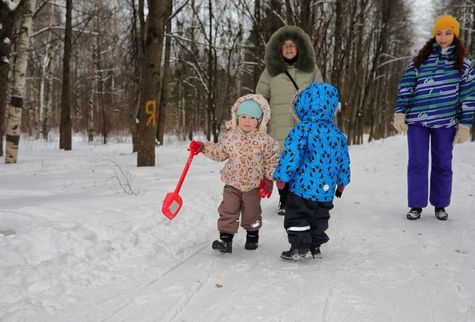
On milder winter days, outdoor activities can boost sensory engagement and physical exercise:
- Sensory Snow Play: Use small shovels, containers, or safe snow paint to explore textures.
- Gentle Sledding: Short, supervised runs provide movement and fun without overwhelming stimulation.
- Nature Walks: Collect leaves, pinecones, or rocks to engage multiple senses.
Always dress children in layered clothing and ensure gloves, hats, and scarves minimize discomfort.
ABA Strategies to Maintain Routine During the Season
Winter breaks and holiday schedules can disrupt daily routines, which may increase anxiety. ABA therapy techniques can help maintain consistency:
- Visual Schedules: Use pictures or charts to outline daily activities.
- Reinforcement Systems: Reward participation in indoor or outdoor activities.
- Structured Play: Integrate sensory-friendly winter activities into routine time blocks.
Learn more about personalized ABA strategies during winter by scheduling a consultation with our team.
Warm Clothing and Sensory Comfort Tips

Clothing can be a major source of discomfort in winter. Consider:
- Soft, breathable layers to avoid irritation.
- Seamless socks, hats, and gloves for sensitive skin.
- Allowing the child to choose clothing textures or colors when possible.
These small adjustments can dramatically improve comfort during indoor and outdoor winter activities.
Managing Holiday Overstimulation

Holidays often bring new environments, visitors, and sensory input. To reduce stress:
- Prepare children for events using social stories or schedules.
- Introduce new experiences gradually.
- Provide quiet spaces for breaks during gatherings.
Balancing family fun with structured support ensures children stay calm and engaged.
How EAS Supports Families During the Winter Season
Early Autism Services provides comprehensive ABA therapy and family support programs to help children thrive year-round. Our team works closely with caregivers to design sensory-friendly activities, maintain routines, and manage seasonal transitions.
Don’t let winter disrupt your child’s progress. Schedule a free consultation today and learn how our ABA therapy team can support your family this season.
Conclusion
Winter doesn’t have to be a challenging season for children with autism. By incorporating sensory-friendly indoor and outdoor activities, maintaining routines with ABA strategies, and prioritizing sensory comfort, families can create meaningful, engaging experiences.
For more tips and activity ideas, explore our blog resources or check out our services to keep your child engaged and thriving this winter.
Explore More

Behavior Is Communication: Understanding What Your Autistic Child May Be Telling You
Behavior can be an important form of communication, especially when a child cannot easily express their needs in words. This parent-friendly guide explores what an autistic child’s behavior may be communicating, how to recognize possible triggers and patterns, and supportive ways to build functional communication skills.

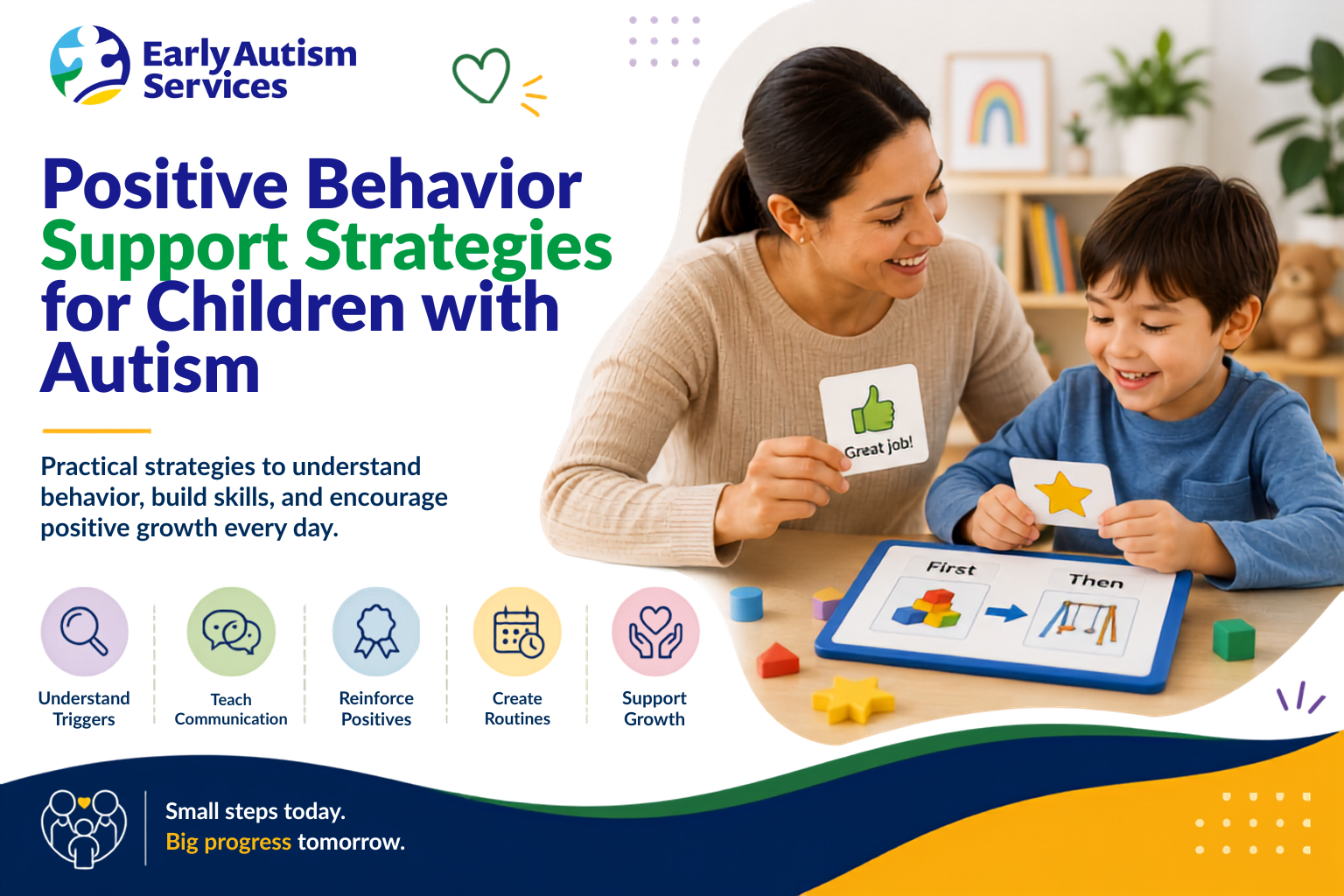
Positive Behavior Support Strategies for Children with Autism
Positive behavior support focuses on understanding why behaviors happen and helping children develop effective ways to communicate their needs. This parent-friendly guide explores practical strategies for identifying triggers, creating predictable routines, reinforcing positive skills, supporting transitions, and encouraging communication at home.
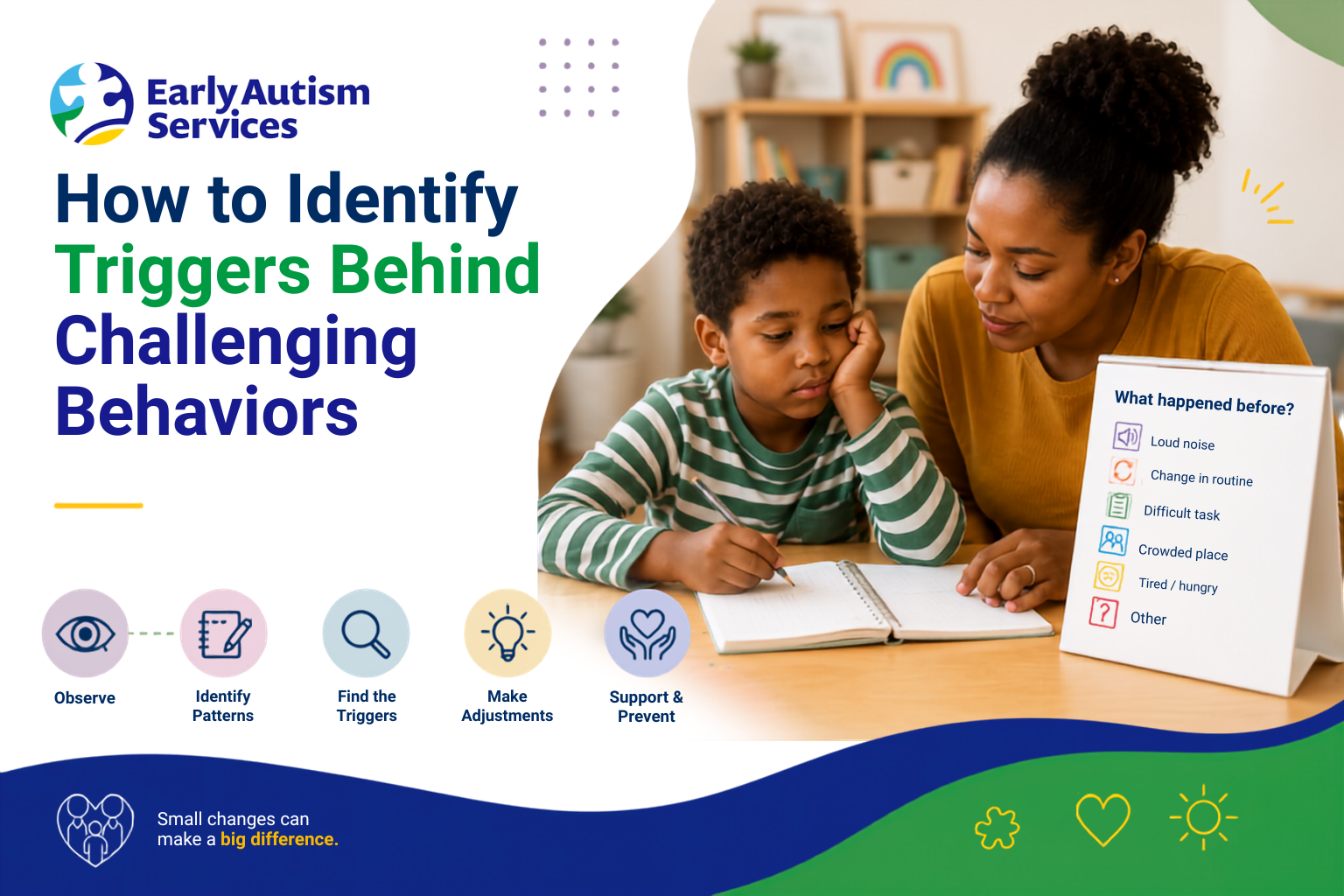
How to Identify Triggers Behind Challenging Behaviors
Challenging behaviors often have a trigger, even when they seem unpredictable. This parent-friendly guide explains how to recognize common autism behavior triggers, use the ABC method to spot patterns, and make supportive adjustments that can reduce stress and help children feel more understood.


