New Year, New Goals: Building Daily Living Skills with ABA Therapy
Setting realistic New Year goals helps children develop essential daily living skills through structured ABA therapy support. Practical routines, positive reinforcement, and strong parent collaboration promote independence, confidence, and measurable progress while reducing daily frustrations and creating meaningful family participation across home, school, and community settings through consistent goal setting and guidance.

The start of a new year offers families a perfect opportunity to reflect and set meaningful goals. For parents of children with autism, this moment can feel both exciting and daunting. You might wonder: "Which skills should we prioritize?" or "How can I help my child gain independence?" With thoughtful planning and ABA (Applied Behavior Analysis) therapy support, progress becomes not only achievable but measurable and deeply rewarding.
Why Goal-Setting Transforms Development
Clear, achievable goals serve as building blocks for growth. Children with autism particularly benefit from structured objectives focusing on practical, everyday skills. Well-crafted goals help your child develop independence in daily routines, improve communication abilities, gain confidence through small victories, and experience less frustration through predictable expectations.
When parents set intentional goals, they create more than just a roadmap for skill development. They foster accomplishment, strengthen family bonds, and give children tangible ways to see their own progress. The key lies in making goals realistic and individualized, reflecting your child's current abilities while gently stretching toward new capabilities.
Essential Daily Living Skills for Independence
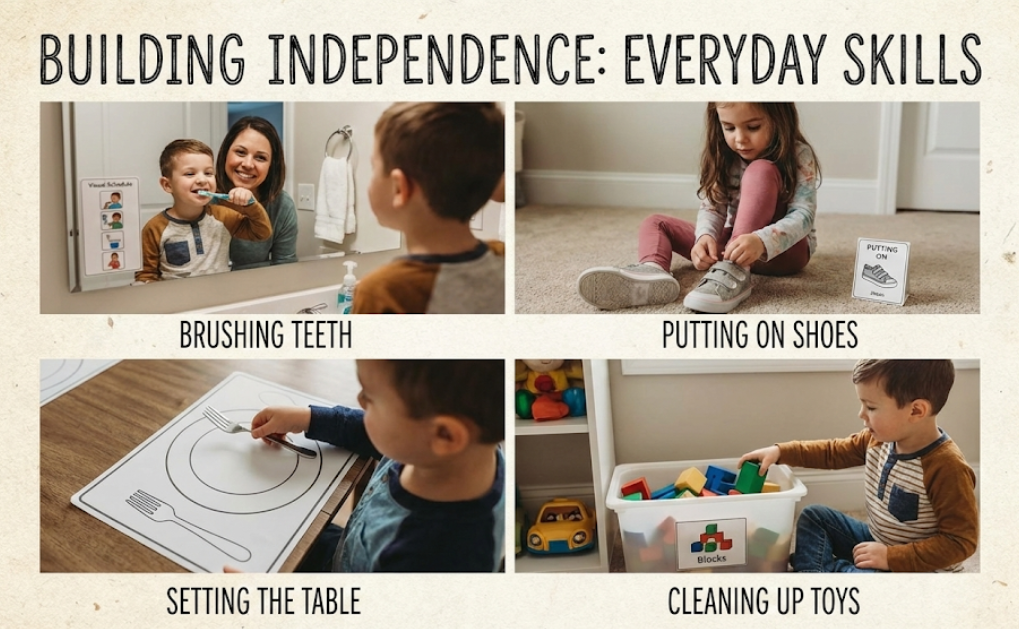
Daily living skills form the foundation of independence, enabling children to navigate everyday activities with growing confidence. Consider these priority areas:
- Personal Care encompasses the morning and evening routines that build autonomy, brushing teeth and hair, bathing independently, and managing bathroom needs. These fundamental self-care tasks promote dignity and self-reliance.
- Mealtime Skills extend beyond eating to include using utensils properly, helping set or clear the table, and understanding appropriate food choices. These skills enhance both independence and meaningful family participation.
- Dressing and Grooming involves choosing weather-appropriate clothing, managing shoes and jackets, and mastering buttons, zippers, and snaps. Each small victory in this area builds problem-solving abilities and fine motor skills.
- Communication and Social Interaction remain crucial for reducing daily frustrations. Skills like asking for help politely, following multi-step instructions, and expressing needs clearly support smoother routines and stronger relationships.
- Household Participation brings children into family life through age-appropriate responsibilities, putting toys away, assisting with simple chores, and following predictable schedules. This involvement strengthens both capability and belonging.
How ABA Therapy Accelerates Skill Development
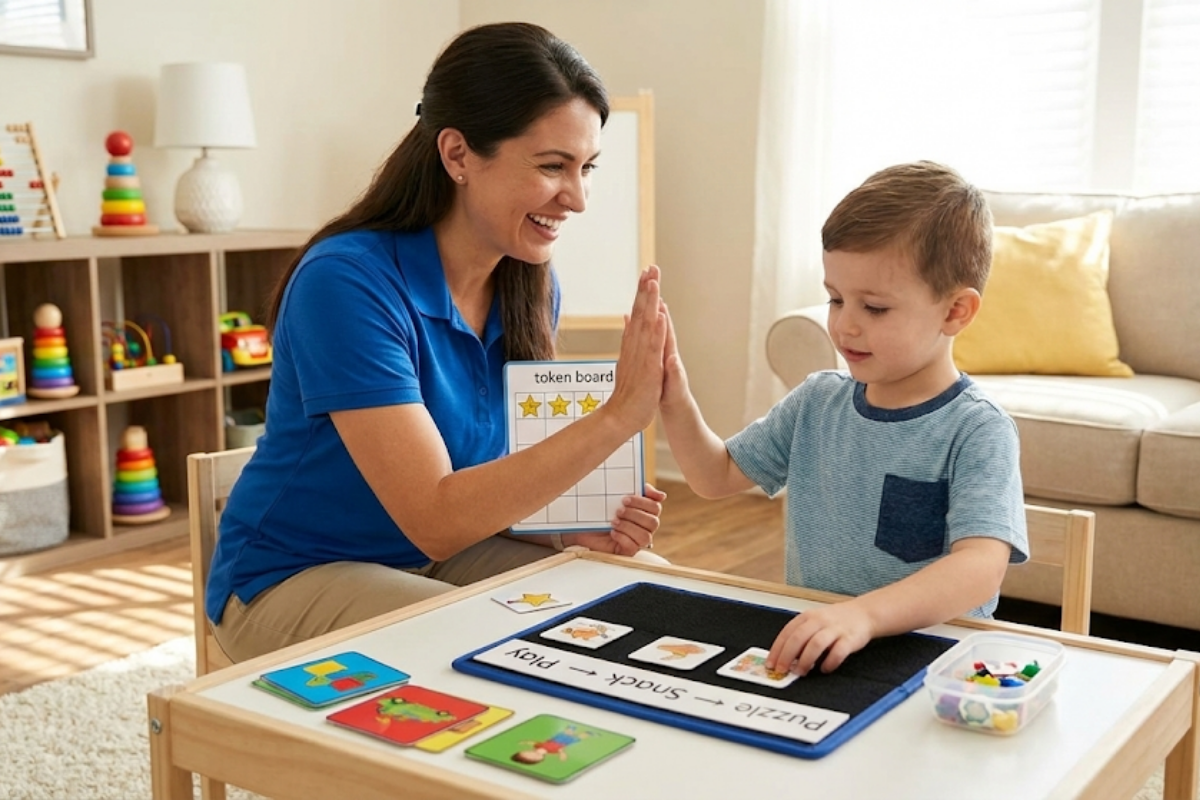
ABA therapy provides a structured, evidence-based framework that transforms skill-building through repetition, reinforcement, and consistent practice.
- Individualized Planning ensures goals match your child's unique profile. ABA therapists collaborate with families to create practical, measurable objectives. A therapist might break toothbrushing into five manageable steps, tracking progress weekly to celebrate improvements and adjust approaches.
- Routine Building capitalizes on children's need for predictability. Through visual schedules, step-by-step instructions, and customized reinforcement systems, therapists help embed new skills into daily life, making learning feel natural rather than forced.
- Skill Generalization ensures abilities transfer across settings. A child learning to dress at home should confidently apply that skill at school or at grandparents' houses. ABA therapy specifically practices skills in varied contexts to build true independence.
- Positive Reinforcement motivates continued effort by making success visible and rewarding. When children experience tangible progress paired with encouragement, they develop intrinsic motivation to engage independently.
- Parent Collaboration maximizes therapy effectiveness. At Early Autism Services (EAS), parents become active partners, receiving guidance on routines, reinforcement strategies, and feedback systems that maintain progress between sessions.
Practical Goal-Setting Strategies
Transform overwhelming aspirations into achievable milestones with these proven approaches:
- Start Small by focusing on one or two skills simultaneously. Mastering small steps creates momentum and prevents burnout for both child and parent.
- Be Specific with your objectives. Replace vague aims like "improve morning routine" with concrete targets: "independently brush teeth and get dressed before breakfast by February 1st."
- Use Visual Supports through charts, schedules, or picture cards that help children understand expectations and track their own progress, building ownership of their achievements.
- Celebrate Achievements consistently. Positive reinforcement, whether praise, stickers, or small privileges, fuels motivation and makes the journey enjoyable.
- Stay Flexible because progress rarely follows a straight line. Adjust goals as needed, acknowledging effort as much as outcome, and recognize that setbacks often precede breakthroughs.
- Collaborate with your ABA Team through regular communication, ensuring goals remain developmentally appropriate and aligned with proven therapeutic strategies.
Making This Year Transformative
The New Year symbolizes fresh starts for everyone in your family. By focusing on achievable daily living skills supported by ABA therapy, you provide your child with tools for gaining independence, navigating routines with reduced frustration, and experiencing measurable progress in areas that truly matter.
At Early Autism Services, our team partners closely with families to identify meaningful goals, create individualized plans, and provide hands-on support, ensuring consistent growth. Whether your child is learning to brush teeth independently, master a complete morning routine, or communicate needs effectively, every step forward deserves celebration.
Take Action Today
This New Year, empower your child to achieve meaningful milestones with ABA therapy support. Setting realistic, structured daily living goals strengthens life skills while building independence, confidence, and family harmony.
Ready to explore how ABA therapy can help your child reach their daily living goals? Contact Early Autism Services today for a personalized consultation. Together, we can make this year one of growth, achievement, and lasting independence.
Explore More

Behavior Is Communication: Understanding What Your Autistic Child May Be Telling You
Behavior can be an important form of communication, especially when a child cannot easily express their needs in words. This parent-friendly guide explores what an autistic child’s behavior may be communicating, how to recognize possible triggers and patterns, and supportive ways to build functional communication skills.

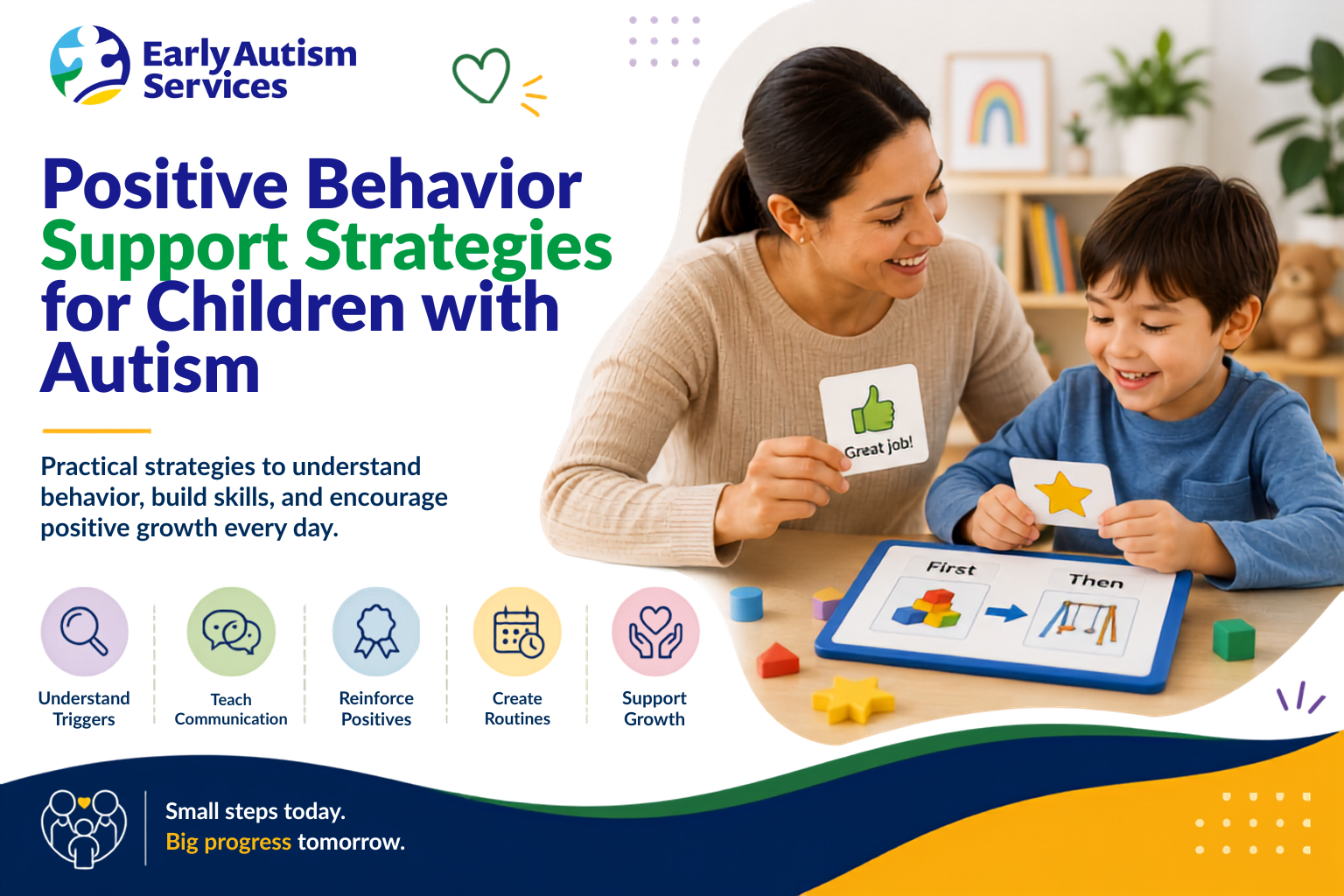
Positive Behavior Support Strategies for Children with Autism
Positive behavior support focuses on understanding why behaviors happen and helping children develop effective ways to communicate their needs. This parent-friendly guide explores practical strategies for identifying triggers, creating predictable routines, reinforcing positive skills, supporting transitions, and encouraging communication at home.
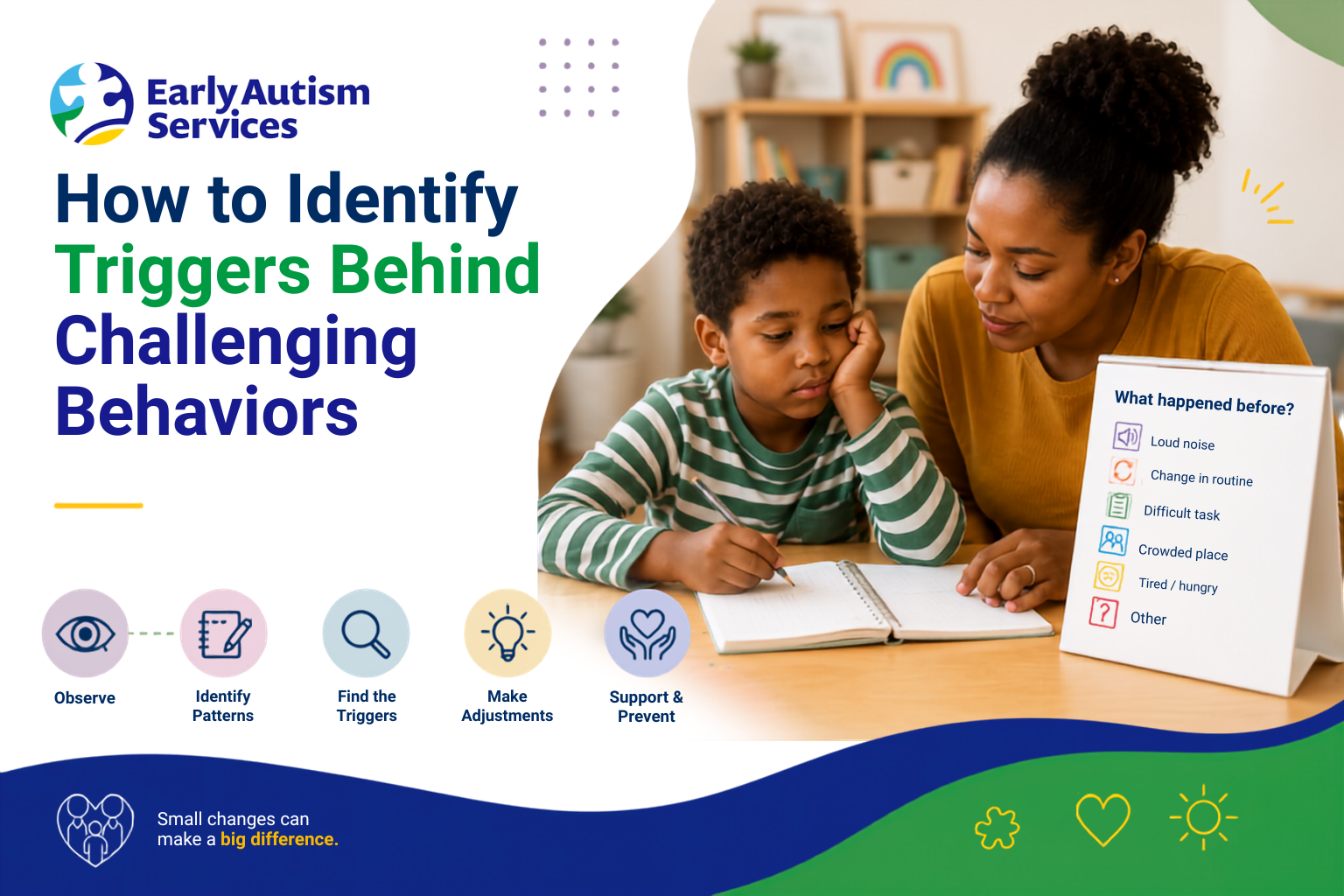
How to Identify Triggers Behind Challenging Behaviors
Challenging behaviors often have a trigger, even when they seem unpredictable. This parent-friendly guide explains how to recognize common autism behavior triggers, use the ABC method to spot patterns, and make supportive adjustments that can reduce stress and help children feel more understood.


