Safety and Wandering Risks in Autistic Children
Wandering, or elopement, is a serious safety risk for autistic children due to sensory overload, communication challenges, and reduced danger awareness. Triggers such as routine changes or overstimulation can increase risk, making proactive planning essential. Prevention strategies like ID tools, home safety modifications, structured routines, and ABA therapy support can significantly reduce danger while promoting independence and confidence.

Introduction
Have you ever turned your back for just a moment and felt that sudden rush of panic? Toddlers bolting off can be frightening for any parent - but for parents of autistic children, the concern can be far more intense and constant.
Autistic children may wander for several reasons. Some have a reduced awareness of danger, while others may be trying to escape overwhelming sensory environments. Many children on the autism spectrum may also have limited communication skills, making it difficult for them to share their name, address, or phone number if they become lost. Because of these factors, wandering presents a serious safety risk and requires proactive planning.
Understanding why wandering happens, and how to prevent it, can help families create safer environments while still supporting a child’s independence and development.
In this article, we will discuss:
- What is wandering, and why are autistic children at higher risk?
- Common triggers that lead to wandering
- Prevention strategies for families and caregivers
What Is Wandering and Why Are Autistic Children at Higher Risk?

Wandering - also known as elopement - refers to a child leaving a safe or supervised area without adult knowledge or supervision. This can include leaving:
- The family home
- A school or daycare
- A playground
- A caregiver in public spaces such as parks, stores, or events
Wandering is particularly dangerous because it can happen quickly and silently.
Autistic children may wander for a variety of reasons, including:
- Sensory overload from crowded or noisy environments
- Anxiety or distress caused by unfamiliar routines or settings
- A strong desire to reach something of interest (such as water, animals, or moving objects)
- Difficulty understanding safety rules or recognizing dangerous situations
One of the greatest risks associated with wandering is water safety. According to the National Autism Association, accidental drowning accounts for approximately 71% of deaths related to wandering in autistic children under the age of 15. This statistic highlights how urgent and serious wandering prevention truly is.
Common Triggers That Lead to Wandering
Wandering is not typically random behavior; it is often a response to internal or environmental stressors. Recognizing common triggers can help caregivers intervene early.
Some frequent triggers include:
- Overstimulating environments, such as loud gatherings, crowded places, or bright lighting
- Unexpected transitions, including changes in routine, caregivers, or schedules
- Emotional distress, such as frustration, fear, or anxiety
- Attraction to preferred objects or locations, especially water or outdoor spaces
- Limited communication skills make it difficult for children to express discomfort or needs
Understanding what precedes wandering episodes allows families to reduce risk and introduce preventative support.
Prevention Strategies for Families and Caregivers
Because autistic children may not respond to rescuers such as police officers, firefighters, or first responders - especially during high-stress situations - preventative safety planning is essential.
Here are several strategies that can help improve safety:
- Personal identification tools
1. ID wristbands or tags
2. GPS tracking devices or wearable locators
- Home safety modifications
1. Secure fencing around yards
2. Door and window alarms
3. Locks placed out of a child’s reach
- Community-based safety planning
1. Creating emergency plans with trusted neighbors
2. Registering with local police departments so families can share medical or behavioral information that appears during 911 calls
- Supervision and structure
1. Clear routines and visual schedules
2. Consistent caregiver communication
These strategies work best when combined, creating multiple layers of protection rather than relying on a single solution.
How ABA Therapy Can Support Safety Awareness
Parents and caretakers might not be informed of safety and wandering risks at the time of diagnosis, leaving them unprepared and unaware. Hence, they can also work with a Board Certified Behavior Analyst (BCBA) to teach essential safety skills. ABA therapy can support children by:
- Teaching responses to safety cues (such as stopping, waiting, or staying nearby)
- Reducing bolting or elopement behaviors
- Helping children tolerate wearable safety devices
- Identifying and approaching safe adults or “community helpers.”
- Practicing transitions and coping strategies in a structured way
ABA therapy focuses on building skills gradually and respectfully, helping children learn safety awareness without fear or punishment.
Key Findings

Wandering is a serious and often underestimated safety risk for autistic children. Factors such as sensory overload, communication challenges, and reduced awareness of danger make prevention planning essential. With thoughtful preparation, environmental support, and professional guidance, families can greatly reduce risk while empowering their children to navigate the world more safely.
Safety planning is not about restriction; it’s about protection, understanding, and support. By staying informed and proactive, parents and caregivers can create environments where autistic children feel secure, confident, and valued.
Explore More

Behavior Is Communication: Understanding What Your Autistic Child May Be Telling You
Behavior can be an important form of communication, especially when a child cannot easily express their needs in words. This parent-friendly guide explores what an autistic child’s behavior may be communicating, how to recognize possible triggers and patterns, and supportive ways to build functional communication skills.

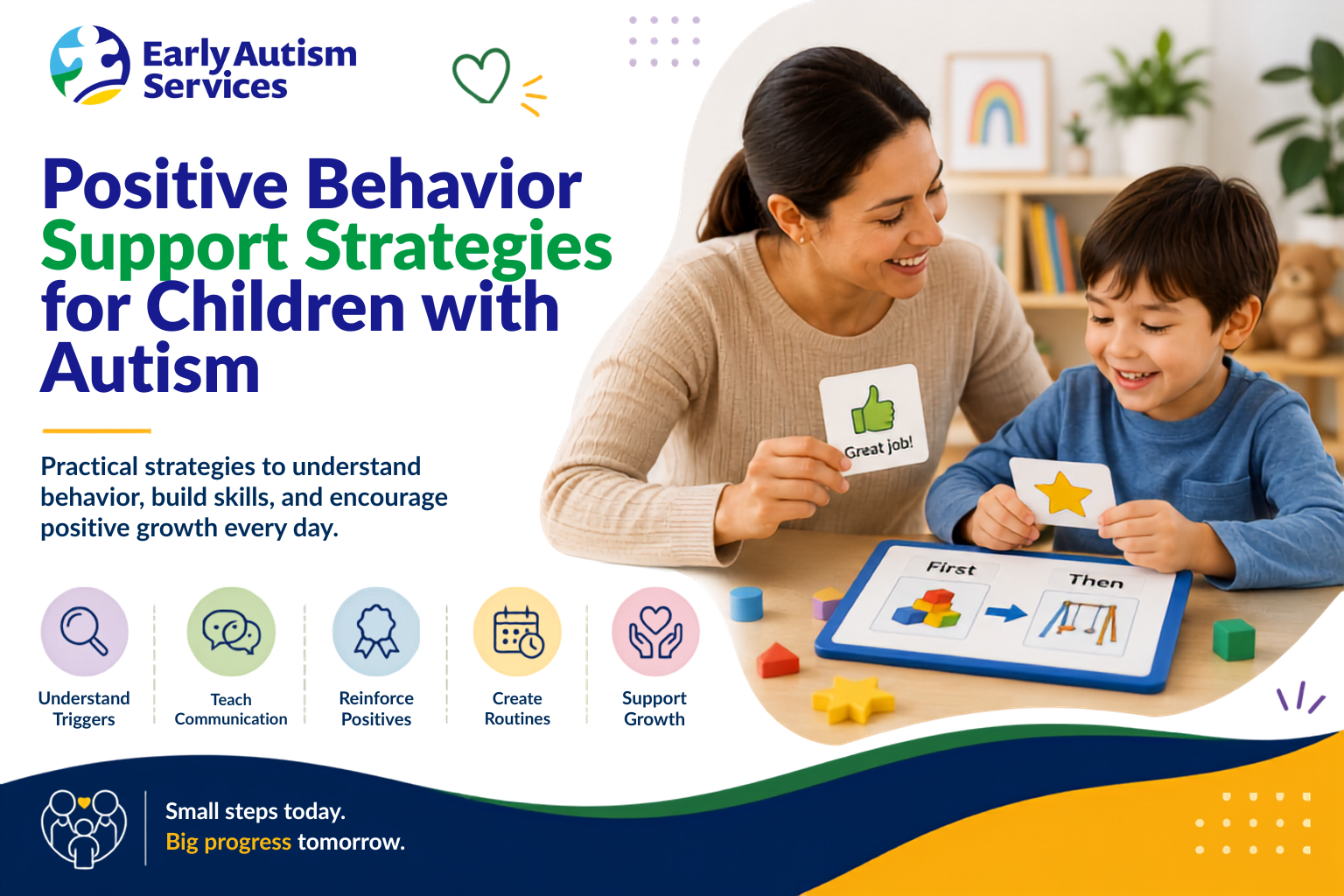
Positive Behavior Support Strategies for Children with Autism
Positive behavior support focuses on understanding why behaviors happen and helping children develop effective ways to communicate their needs. This parent-friendly guide explores practical strategies for identifying triggers, creating predictable routines, reinforcing positive skills, supporting transitions, and encouraging communication at home.
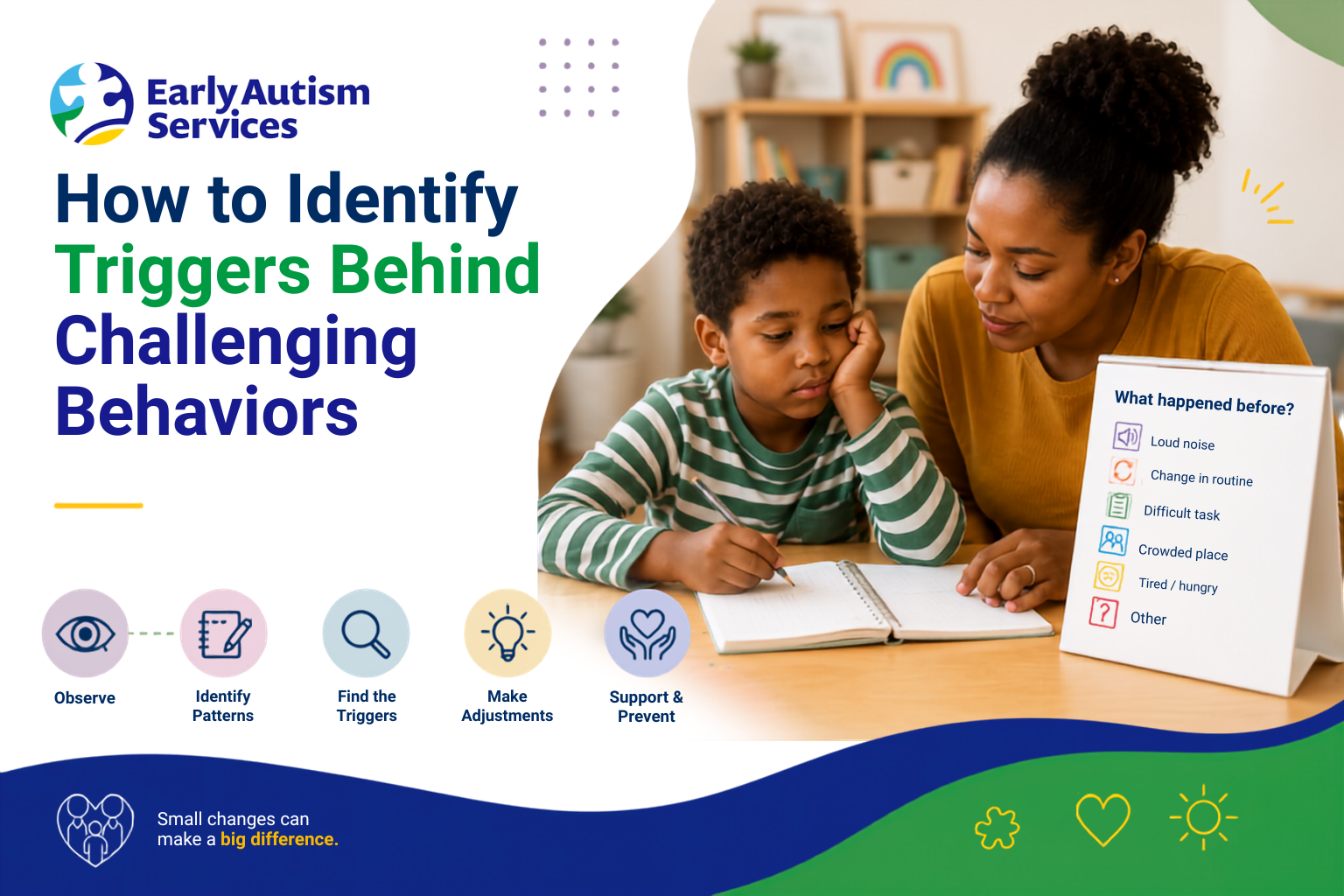
How to Identify Triggers Behind Challenging Behaviors
Challenging behaviors often have a trigger, even when they seem unpredictable. This parent-friendly guide explains how to recognize common autism behavior triggers, use the ABC method to spot patterns, and make supportive adjustments that can reduce stress and help children feel more understood.


