Building Social Skills for School Success
Helping children with autism build strong social skills can make a meaningful difference in their school experience. This blog explores why skills like greeting others, taking turns, sharing, asking for help, and following directions are essential for classroom success. It also shares simple, everyday activities parents can use at home to encourage social development. Finally, the blog explains how personalized ABA therapy supports communication, peer interaction, emotional understanding, and confidence, helping children thrive both in school and beyond.
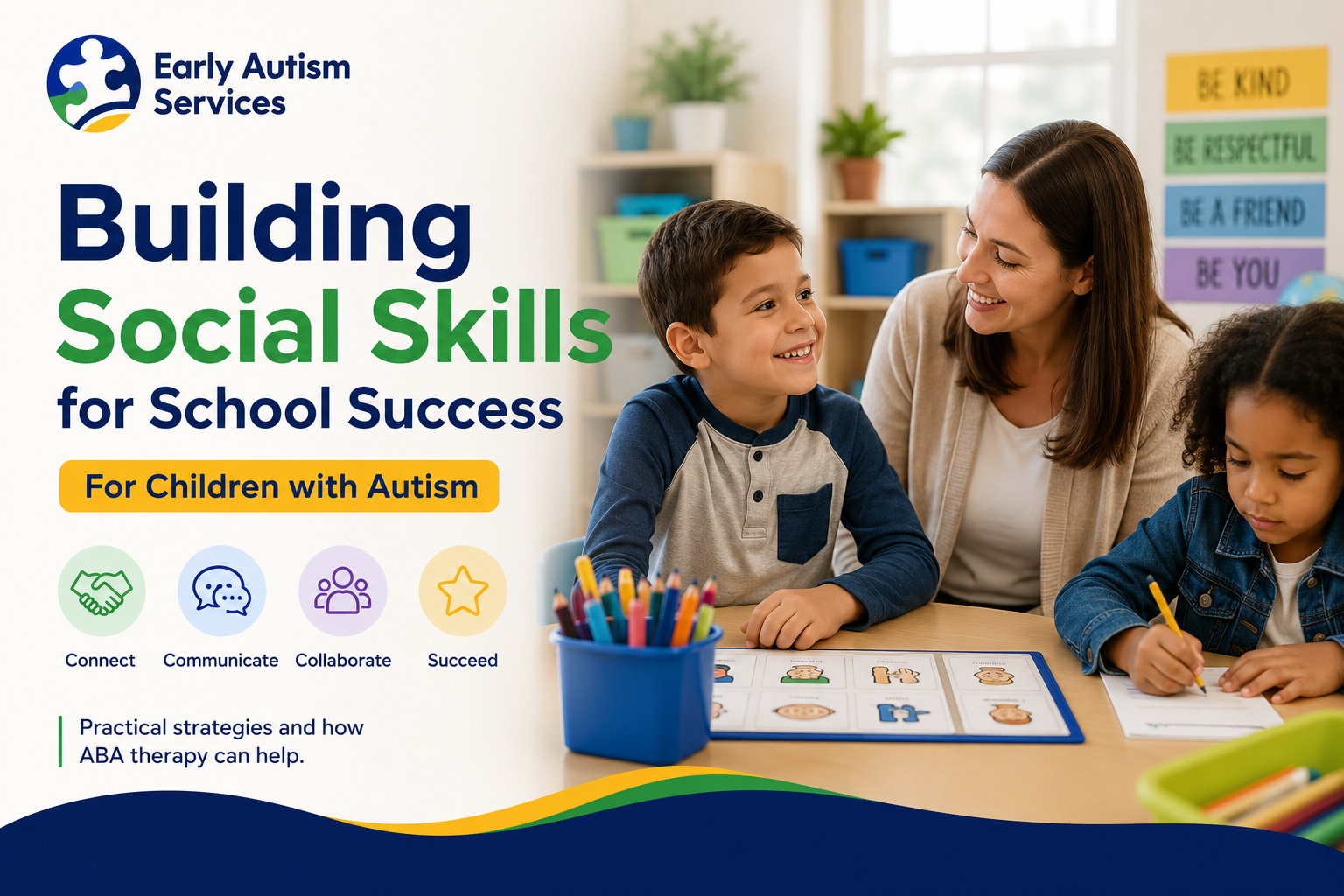
Building Social Skills for School Success in Children with Autism
Starting school is about more than learning letters and numbers.
For many children with autism, one of the biggest challenges is learning how to connect with others, communicate their needs, and feel confident in a classroom.
The good news? Social skills can be taught, practiced, and strengthened over time.
Why Social Skills Matter
Strong social skills help children:
- Make friends
- Participate in classroom activities
- Work in groups
- Ask for help
- Express their feelings
- Build confidence
These everyday interactions create a positive school experience and support long-term success.
Social Skills Every Child Can Practice
Parents don't need to teach everything at once. Focus on small, everyday moments.
Greeting Others
Practice saying "Hi," waving, or making eye contact when comfortable.
Taking Turns
Games and shared activities help children learn patience and cooperation.
Asking for Help
Encourage simple phrases like:
- "Can you help me?"
- "I don't understand."
Sharing
Practice sharing toys, art supplies, or snacks during playtime.
Following Group Directions
Simple activities at home can build listening and classroom readiness.

Simple Ways to Build Social Skills at Home
Learning happens through everyday experiences.
Try activities like:
- Playing board games together
- Reading books about friendships
- Role-playing classroom situations
- Scheduling short playdates
- Praising positive social interactions
- Practicing routines before school starts
Small, consistent practice often makes the biggest difference.
How ABA Therapy Supports Social Development
Every child learns differently.
ABA therapy helps children develop social skills through individualized, evidence-based strategies that match their strengths and goals.
Therapists may work on:
- Starting conversations
- Playing with peers
- Understanding emotions
- Taking turns
- Building communication skills
- Managing frustration in social settings
These skills are practiced in meaningful, real-life situations to help children feel more confident at home, school, and in the community.
.jpeg)
Celebrate Every Small Step
Progress doesn't happen overnight.
Your child's first greeting.
Their first shared toy.
Their first classroom friendship.
Each milestone is meaningful and worth celebrating.
With patience, encouragement, and the right support, children can develop the confidence and social skills they need to thrive at school.
We're Here to Help
At Early Autism Services, we partner with families to build meaningful skills that support success both inside and outside the classroom. Through personalized ABA therapy, we help children strengthen communication, social interaction, and independence at their own pace.
If you'd like to learn more about how ABA therapy can support your child's school journey, contact Early Autism Services today.
FAQs
What social skills are important before starting school?
Children benefit from learning skills such as greeting others, taking turns, asking for help, sharing, following simple directions, and expressing their needs appropriately.
Can children with autism improve their social skills?
Yes. With consistent practice, family support, and evidence-based therapies like ABA, many children make meaningful progress in developing social and communication skills.
How does ABA therapy help with social skills?
ABA therapy uses individualized teaching strategies to help children practice communication, peer interaction, emotional regulation, and other social skills in everyday situations.
Explore More
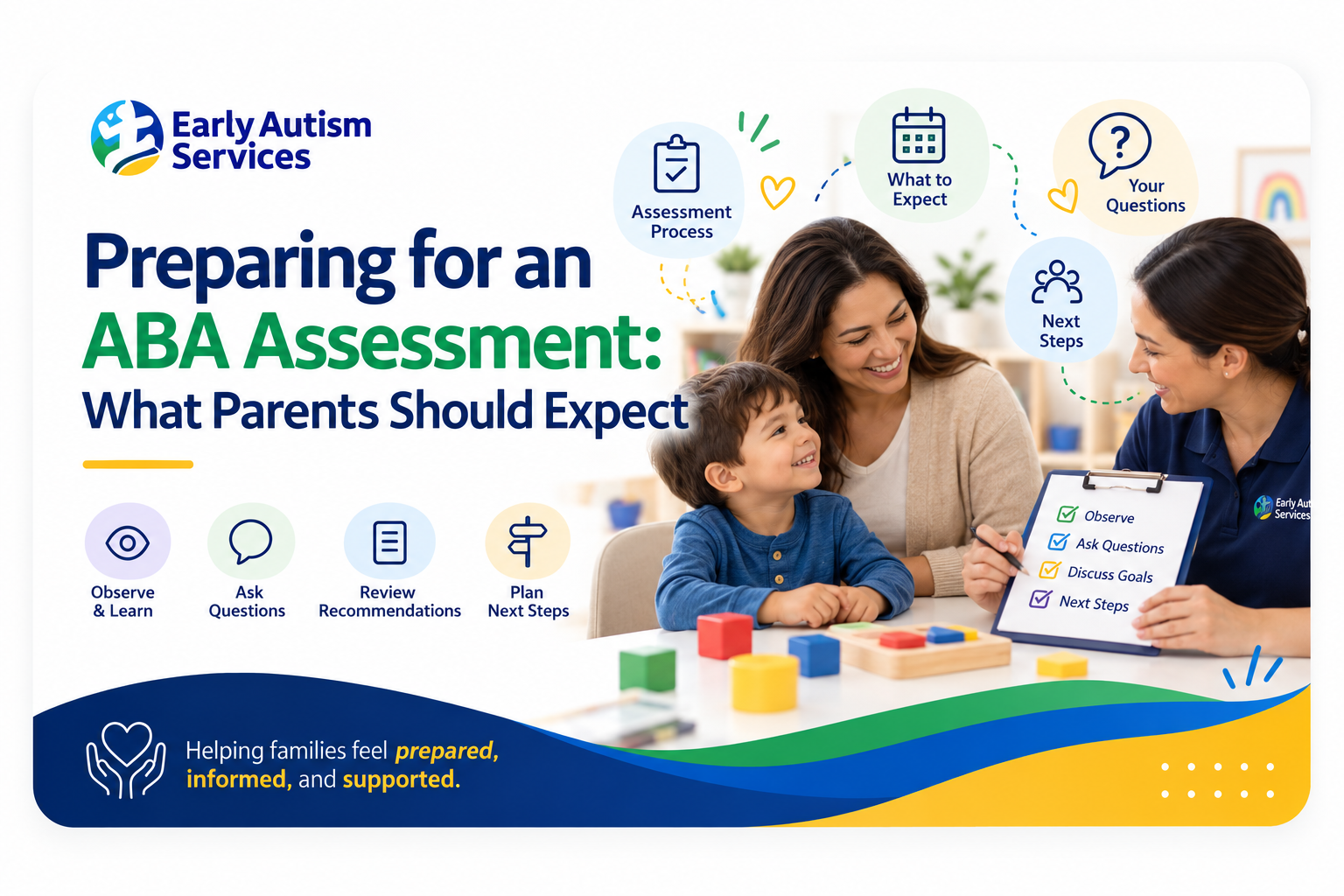
Preparing for an ABA Assessment: What Parents Should Expect
Accessing ABA therapy can feel overwhelming for families, especially when navigating service options, insurance, Medicaid, and the intake process. Early Autism Services works to make ABA therapy more accessible by offering different service settings, supporting families through insurance and intake, and providing individualized care based on each child’s needs.

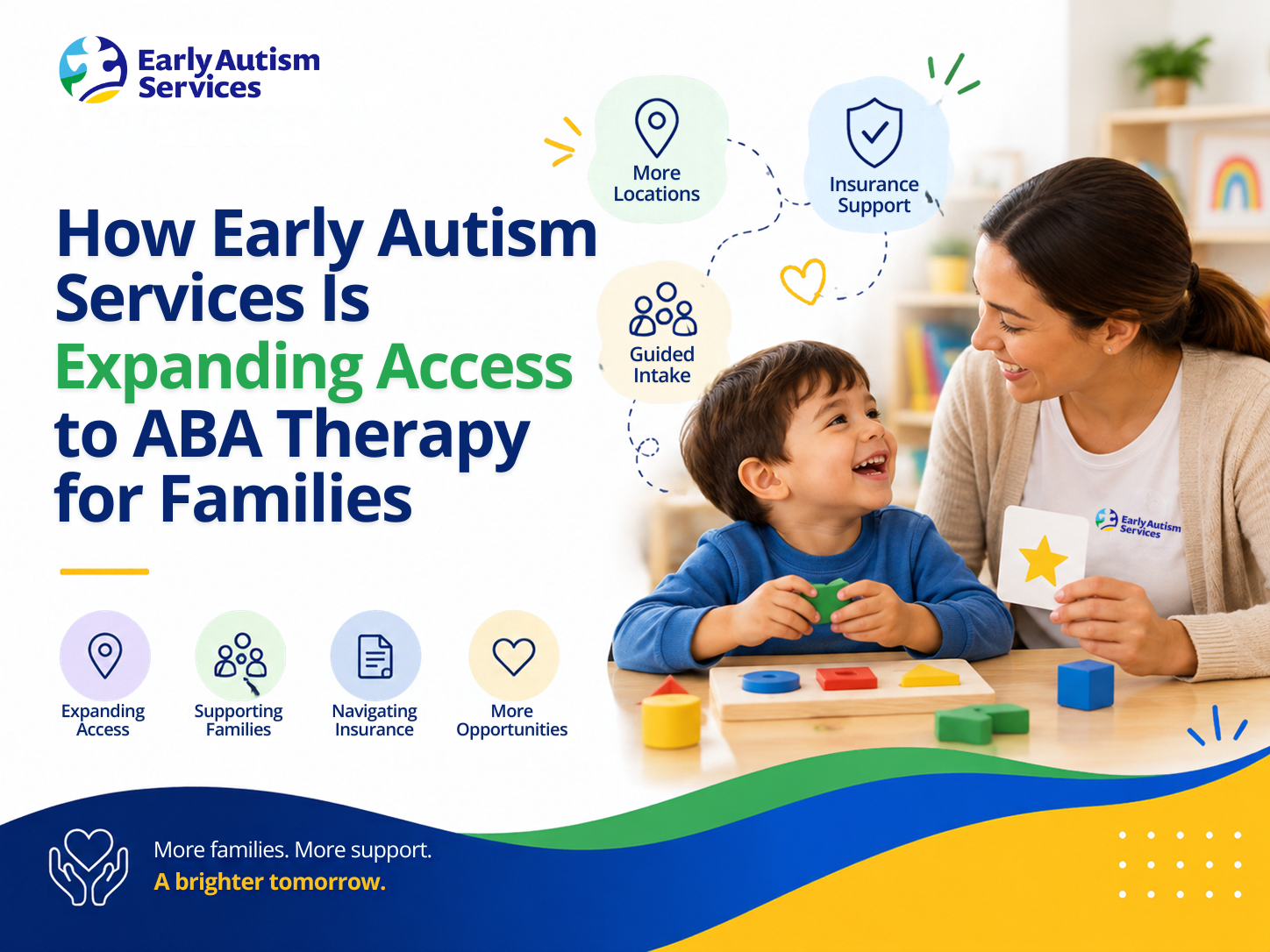
How Early Autism Services Is Expanding Access to ABA Therapy for Families
Accessing ABA therapy can feel overwhelming for families, especially when navigating service options, insurance, Medicaid, and the intake process. Early Autism Services works to make ABA therapy more accessible by offering different service settings, supporting families through insurance and intake, and providing individualized care based on each child’s needs.

Behavior Is Communication: Understanding What Your Autistic Child May Be Telling You
Behavior can be an important form of communication, especially when a child cannot easily express their needs in words. This parent-friendly guide explores what an autistic child’s behavior may be communicating, how to recognize possible triggers and patterns, and supportive ways to build functional communication skills.


