ABA Therapy in Birmingham, Alabama: A Complete Guide for Caregivers
Navigating autism support in Birmingham can feel overwhelming, but the right guidance makes all the difference. This blog explores how ABA therapy helps children, the autism services available locally, insurance coverage options, and how Early Autism Services empowers families in Birmingham to take the first step toward their child’s growth and independence.

Introduction
As a parent, discovering that your child may have autism can feel overwhelming, especially when it comes to finding the right support and services. In Birmingham, AL, families are actively searching for trusted resources and therapies that can truly make a difference. One of the most widely recommended approaches is Applied Behavior Analysis (ABA) therapy, a proven method that helps children build essential skills and thrive.
In this blog, we’ll answer some of the most important questions Birmingham caregivers have: What is ABA therapy? Why is it valuable in Birmingham? What autism services are available locally? Does insurance cover the cost? Most importantly, we’ll show you how to get started with Early Autism Services (EAS) in Birmingham so your child can begin their journey toward growth and independence.
What is ABA Therapy?
ABA therapy is an evidence-based approach designed to help children with autism learn new skills and reduce behaviors that may interfere with daily life. It focuses on breaking down complex tasks into smaller, manageable steps and reinforcing positive behaviors through encouragement and rewards.
For children, this can mean developing communication skills, improving social interactions, and learning self-care routines. ABA therapy is highly personalized, which means each child’s program is tailored to their unique needs. Parents in Birmingham often ask, “How does ABA therapy actually help my child?” the answer lies in its structured, goal-driven process that leads to measurable progress over time.
Why Choose ABA Therapy in Birmingham, AL?
Birmingham is home to a diverse and growing community where families can access specialized autism care close to home. Choosing ABA therapy here means your child benefits from not only expert care but also services that are deeply connected to the local community.
At the Early Autism Services Birmingham center, families can expect a welcoming environment where therapists work closely with parents to build effective strategies. This local presence is vital because parents don’t have to travel far to access quality care. With the right support available nearby, ABA therapy becomes more convenient and sustainable for families in Birmingham.
Autism Services Available in Birmingham

Beyond ABA therapy, Birmingham parents often search for other services like autism evaluations, testing, and telehealth options. At EAS, we offer comprehensive autism evaluations for both children and adults. This ensures that families receive accurate assessments and clear recommendations about next steps.
For families who prefer flexible care, telehealth sessions provide therapy from the comfort of home. In addition, we also offer home assessments for children who may benefit from therapy in familiar surroundings. Parents searching for “autism services Birmingham AL” or “autism evaluations for children” can rest assured knowing these services are readily available through EAS.
How ABA Therapy Works at Early Autism Services
Every child begins with a personalized evaluation to understand their strengths and areas of improvement. From there, our team designs a therapy plan that includes clear, achievable goals. Sessions often involve fun, play-based learning activities so that children stay engaged while developing key skills.
Parental involvement is a cornerstone of ABA therapy. Our team regularly updates families on progress and provides strategies that parents can use at home to reinforce learning. This collaborative approach ensures that therapy continues beyond the clinic and into the child’s everyday life. Parents often find comfort in knowing exactly what to expect once therapy begins.
Role of Major Insurance Providers in Birmingham
One of the biggest concerns parents have is whether ABA therapy is covered by insurance. The good news is that in Birmingham, most major insurance providers offer coverage for ABA therapy. This makes it much more accessible for families across the region.
At EAS, we assist families with verifying their insurance benefits and understanding their coverage. While each plan may differ in terms of sessions and co-pays, our team works with parents to simplify the process. The goal is to ensure that financial concerns do not become a barrier to receiving the right care for your child.
Getting Started with ABA Therapy in Birmingham

Beginning your child’s ABA therapy journey may feel like a big step, but we make it simple. First, families can request an initial consultation through our Birmingham location page. Next, we’ll schedule an evaluation to better understand your child’s needs. From there, we design a therapy plan that fits your child’s goals and family’s lifestyle.
Parents in Birmingham can also explore our services page to learn more about available options. With the right support, your child can begin making progress toward independence and confidence.
Conclusion
Choosing ABA therapy in Birmingham, AL, can feel like a turning point for your family. With expert therapists, supportive services, and insurance coverage available, your child has every opportunity to succeed.
Take the first step today by reaching out to our Birmingham team and scheduling a consultation. The right support can make all the difference.
FAQs
Q1. What age can my child start ABA therapy?
Children can begin ABA therapy as early as 18 months, and early intervention often leads to the best outcomes.
Q2. How many hours of ABA therapy are recommended per week?
The number of hours depends on your child’s needs, but most programs recommend 10–40 hours weekly.
Q3. Do you provide in-home ABA therapy in Birmingham?
Yes, we offer both center-based and in-home therapy options, as well as telehealth services.
Q4. Does insurance cover ABA therapy fully?
Most major insurance providers in Birmingham offer coverage, though details may vary by plan. Our team helps families understand their specific benefits.
Explore More

Behavior Is Communication: Understanding What Your Autistic Child May Be Telling You
Behavior can be an important form of communication, especially when a child cannot easily express their needs in words. This parent-friendly guide explores what an autistic child’s behavior may be communicating, how to recognize possible triggers and patterns, and supportive ways to build functional communication skills.

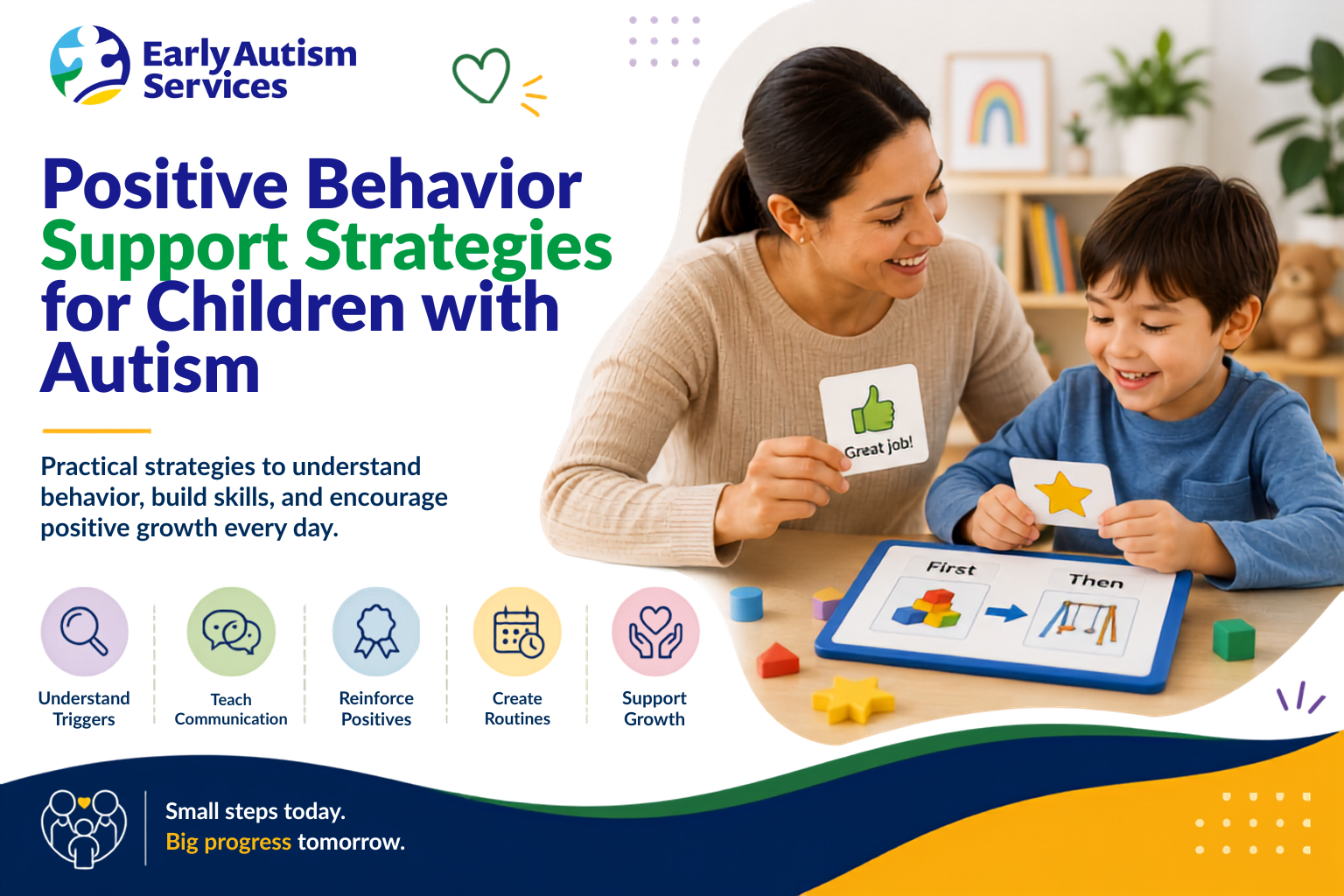
Positive Behavior Support Strategies for Children with Autism
Positive behavior support focuses on understanding why behaviors happen and helping children develop effective ways to communicate their needs. This parent-friendly guide explores practical strategies for identifying triggers, creating predictable routines, reinforcing positive skills, supporting transitions, and encouraging communication at home.
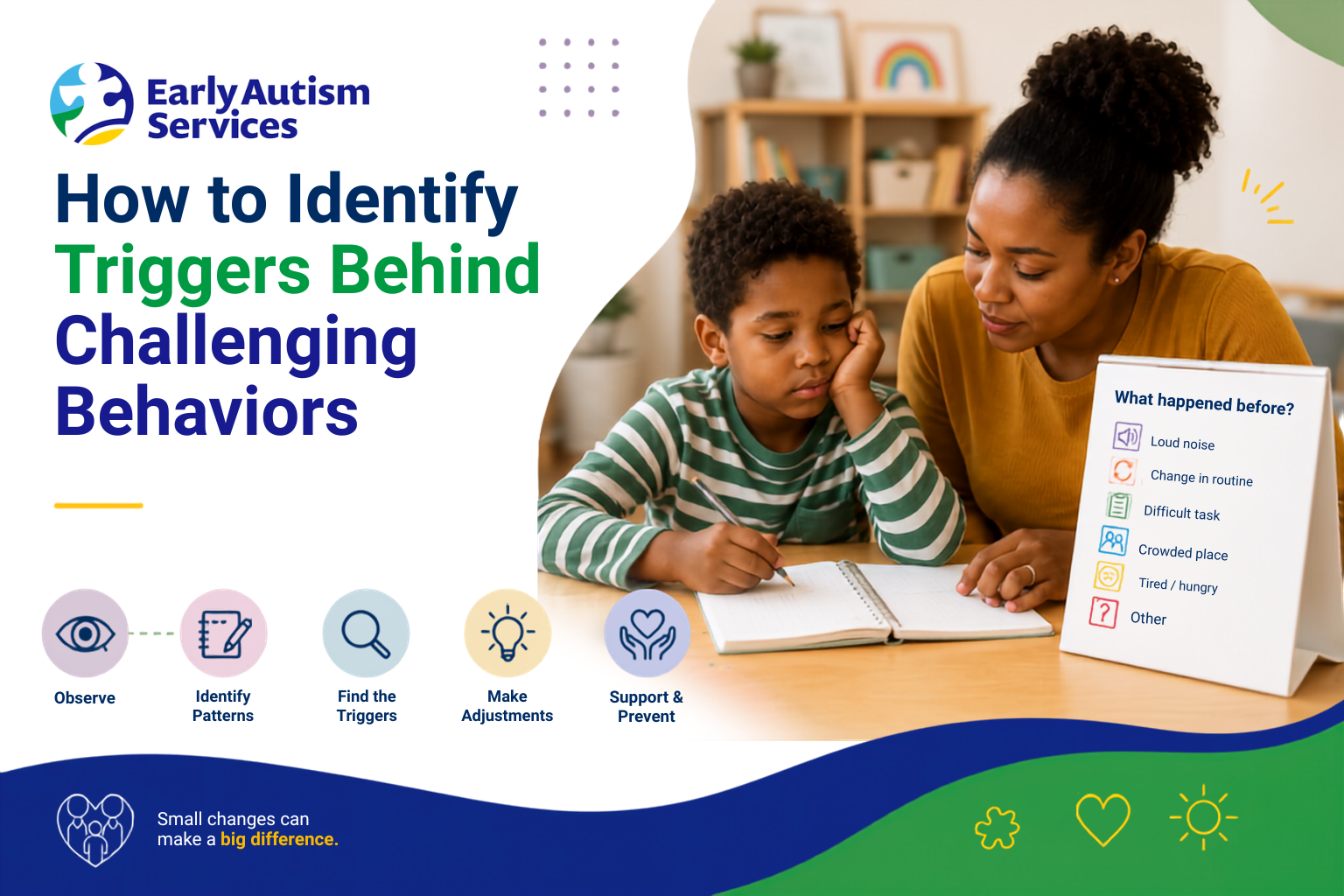
How to Identify Triggers Behind Challenging Behaviors
Challenging behaviors often have a trigger, even when they seem unpredictable. This parent-friendly guide explains how to recognize common autism behavior triggers, use the ABC method to spot patterns, and make supportive adjustments that can reduce stress and help children feel more understood.


