A Caregiver’s Guide to ABA Therapy in Beaverton, Oregon: Supporting Your Child’s Growth
Learn about ABA therapy in Beaverton, family involvement, insurance questions, and how to explore individualized support with Early Autism Services.

How ABA Therapy in Beaverton Supports Your Child’s Growth
Supporting a child with autism comes with unique joys and challenges, but you don’t have to navigate it alone. If you’ve ever wondered how ABA therapy can help your child thrive, or how to access trusted services in Oregon, you’re in the right place.
In this blog, we’ll break down what ABA therapy is, what services are available here in Beaverton, how insurance works, and real stories of progress from families like yours. You’ll leave with a clear understanding of how to get started and how Early Autism Services (EAS) can be your partner every step of the way.
Understanding ABA Therapy in Oregon

Applied Behavior Analysis (ABA) therapy is one of the most widely researched and proven treatments for children on the autism spectrum. It’s all about using positive reinforcement and data-driven strategies to teach skills and reduce behaviors that may get in the way of daily life.
Ask the Beaverton team which center-based, in-home, or telehealth services are currently available and appropriate for your child’s needs and your family’s routine.
The goal is always the same: to help your child build essential skills in communication, social interaction, self-care, and academics. At Early Autism Services in Beaverton, our Board Certified Behavior Analysts (BCBAs) create personalized plans for each child. Whether you’re new to ABA or looking to change providers, our local team is ready to support your family with evidence-based care that makes a real difference.
Learn more about our ABA services and discuss local availability on our services page.
If you’re new to this approach, check out our detailed guide on what ABA therapy is.
How Insurance Supports ABA Therapy in Beaverton
One of the biggest questions parents ask is: How do we pay for ABA therapy? Coverage depends on your specific health plan, eligibility, network, medical-necessity requirements, and authorization. Ask the intake team to verify these details and any out-of-pocket costs before starting care.
At EAS, we work with many major insurance providers in Beaverton and the greater Portland area, including CareOregon, Kaiser Permanente, Providence, Blue Cross Blue Shield, TRICARE West, and others. Our dedicated intake team helps you verify benefits, understand coverage, and manage the paperwork so you can focus on what matters most, your child’s progress.
Remember, every plan is different, so it’s worth checking your benefits early. We’re always here to answer questions and help you navigate the process.
Real Progress: Stories from Beaverton Families
No two children are the same, and that’s why individualized ABA plans can be so powerful. The following examples describe individual experiences reported in this article. Goals, progress, and timelines vary for each child.
From Non-Verbal to Verbal Communication

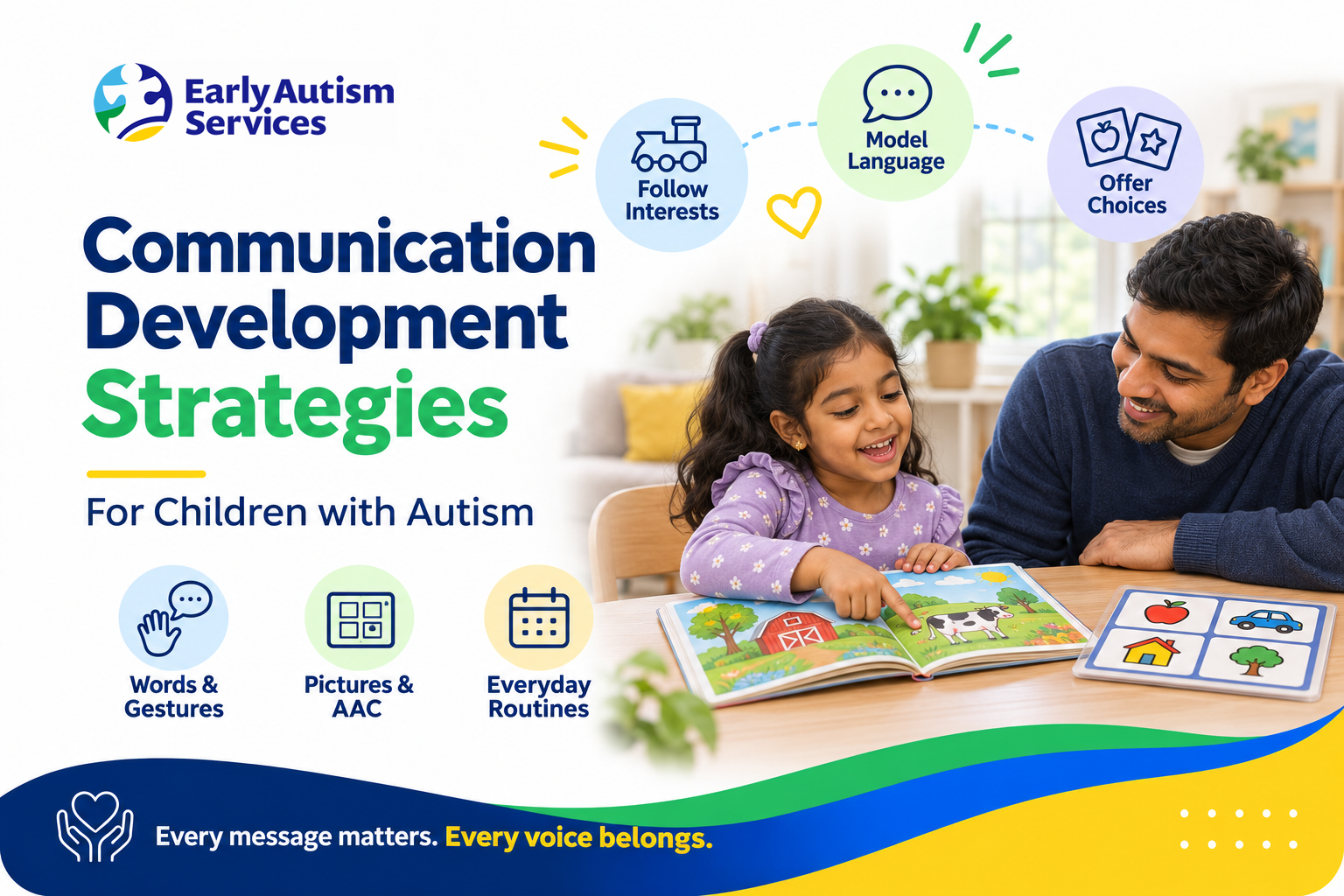
One of our Beaverton families came to us with a three-year-old who was non-verbal and frustrated by their inability to express needs. Through consistent ABA sessions focused on speech development and alternative communication, the child began using simple words within a few months. Today, they’re able to express basic wants and needs, leading to less frustration and more joyful family interactions.
Potty Training Made Possible

Toilet training can be one of the toughest milestones for kids with autism. For one family, the stress of constant accidents felt overwhelming. With the help of a tailored ABA potty training program, visual schedules, and positive reinforcement, their child learned to use the toilet independently within six months. Small victories like these mean big changes for everyday family life.
Building Social and Communication Skills

Another Beaverton parent wanted their child to connect more with peers. Through social skills groups and one-on-one ABA sessions, their child learned how to greet friends, join games, and maintain simple conversations. These skills help children feel more confident and included, both at school and in the community.
Parental involvement is key to progress. Learn more about the role of caregiver training in supporting ABA therapy success.
How to Start ABA Therapy in Beaverton
Taking the first step can feel overwhelming, but you don’t have to figure it out alone. At Early Autism Services, our Beaverton team offers a free consultation to help you understand your options, verify your insurance, and create an ABA plan that fits your child’s needs.
Ask the team about available in-home or center-based sessions in your community. And because we’re locally based, our therapists truly get to know your child and your family.
Ready to take the first step? Schedule your consultation today by filling out our consultation request form.
Your Partner for ABA Therapy in Oregon
Early Autism Services has been helping families across Oregon for years, and our Beaverton location is dedicated to delivering exceptional care that supports your child’s growth every step of the way. Our mission is simple: to help every child reach their fullest potential in a safe, supportive, and engaging environment.
If you’re ready to take the next step, we’d love to meet you and learn more about your child’s unique strengths and challenges.
Ready to Help Your Child Thrive?
Your child’s future is full of possibility, and we’re here to help unlock it. Reach out to our Beaverton team today to schedule your free consultation and discover how ABA therapy can make a difference for your family.
📍 Visit us: Early Autism Services Beaverton
Frequently Asked Questions
What age should my child start ABA therapy?
There’s no one “right” age, but research shows that early intervention can make a big difference. Many families start as early as age two or three.
Does insurance cover ABA therapy in Oregon?
Coverage varies by plan. Our team can help verify benefits, authorization requirements, network status, and potential costs.
Can I get in-home or telehealth ABA therapy in Beaverton?
Ask the Beaverton team about current in-home, center-based, and telehealth availability. The appropriate setting depends on your child’s needs, clinical recommendations, and coverage.
How do I know if ABA therapy is right for my child?
If your child has been diagnosed with autism or struggles with skills like communication or daily routines, ABA therapy may help. Reach out for a free consultation to learn more.
Early Autism Services - your trusted ABA therapy provider in Beaverton, Oregon.
Explore More

Preparing Your Child with Autism for Thanksgiving: A Gentle Guide for Families
Thanksgiving can bring changes to routines, new foods, and time with family. A little planning may help you and your child feel more at ease, while leaving room to adjust as the day unfolds.
You do not need to prepare for every possibility. Start with what matters most to your child: knowing what to expect, having familiar options, and being able to communicate when they need something different.


Encouraging Speech in Nonverbal Children
When a child uses few or no spoken words, parents often want to know what they can do to help. Encouraging speech in nonverbal children begins with understanding how the child already communicates and making those messages easier to express and understand.
Some families use “nonverbal,” while others prefer “nonspeaking” or “minimally speaking.” These terms describe speech use; they do not tell us everything about a child's understanding or ideas. The practical goal is reliable communication, with support for speech development when it fits the child's needs.


(312) 386-6820
(312) 929-0324