What We Learned from Our Spring 2026 Caregiver Survey
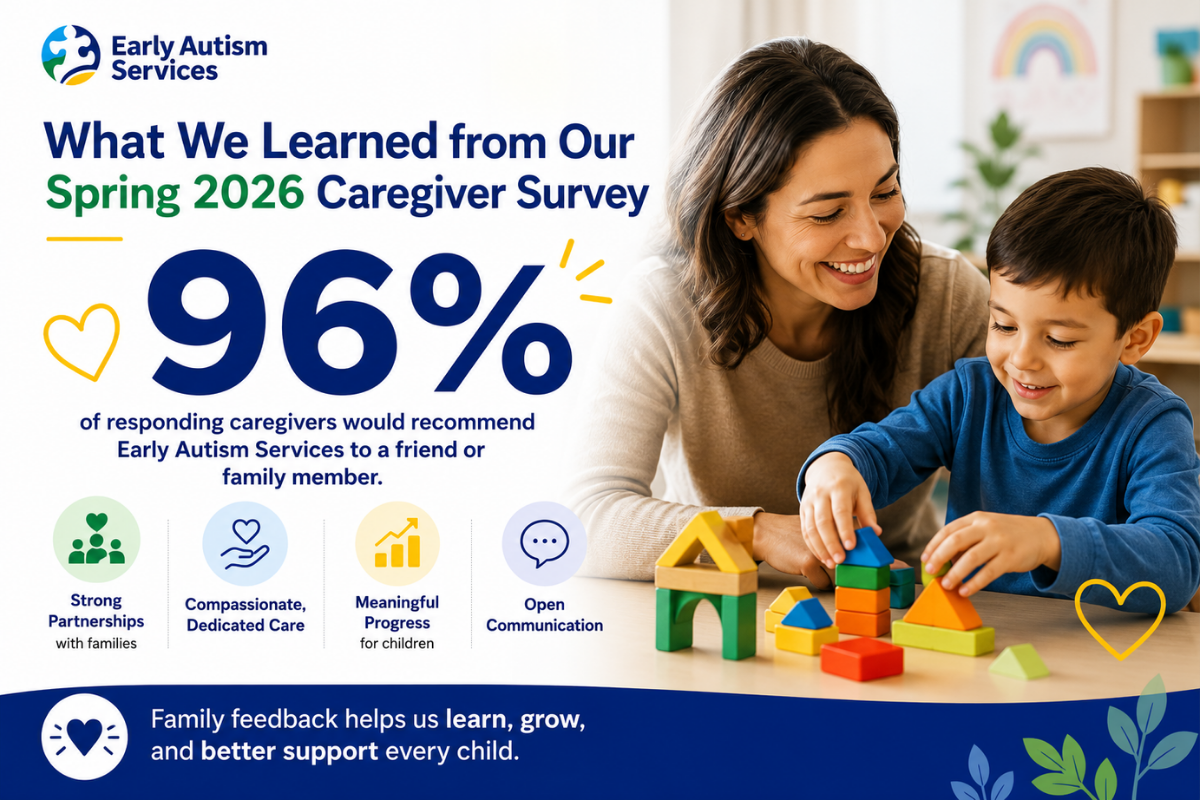
Early Autism Services conducted its Spring 2026 Caregiver Survey to better understand family experiences and improve support. Ninety-six percent of responding caregivers said they would recommend our services. Families shared stories of child growth, stronger communication, and increased independence. Their feedback guides our commitment to compassionate, individualized care and continuous improvement.
At Early Autism Services, families are at the heart of everything we do. Every milestone celebrated, every skill developed, and every moment of progress begins with a partnership between caregivers and our team.
That's why we value caregiver feedback so deeply.
This spring, we invited families across our service areas to participate in our Spring 2026 Caregiver Survey. The goal was simple: to better understand their experiences, learn what we're doing well, and identify opportunities to continue improving the support we provide.
One result stood out in particular:
96% of caregivers who responded said they would recommend Early Autism Services to a friend or family member.
While we're honored by this feedback, we know that behind every percentage is a family, a child, and a unique journey.
The Importance of Listening
Parent and caregiver feedback provides valuable insight into how services are experienced beyond the therapy session. It helps us understand what families need, what challenges they face, and how we can continue to provide meaningful support.
The survey offered families an opportunity to share their experiences, celebrate successes, and provide honest feedback about their journey with Early Autism Services.
These perspectives help guide our decision-making and strengthen our commitment to family-centered care.
What Families Shared
Many caregivers described positive changes they have seen in their children since beginning services.
Some families highlighted improvements in communication and social interactions. Others shared stories of increased independence, stronger daily living skills, and greater confidence at home and in community settings.
Several caregivers also expressed appreciation for the dedication, professionalism, and compassion of our clinical teams.
One caregiver shared:
"We have seen incredible growth in our child. The support and guidance from the team have made a meaningful difference for our entire family."
Stories like these remind us why our work matters and inspire us to continue striving for excellence every day.
The Power of Partnership
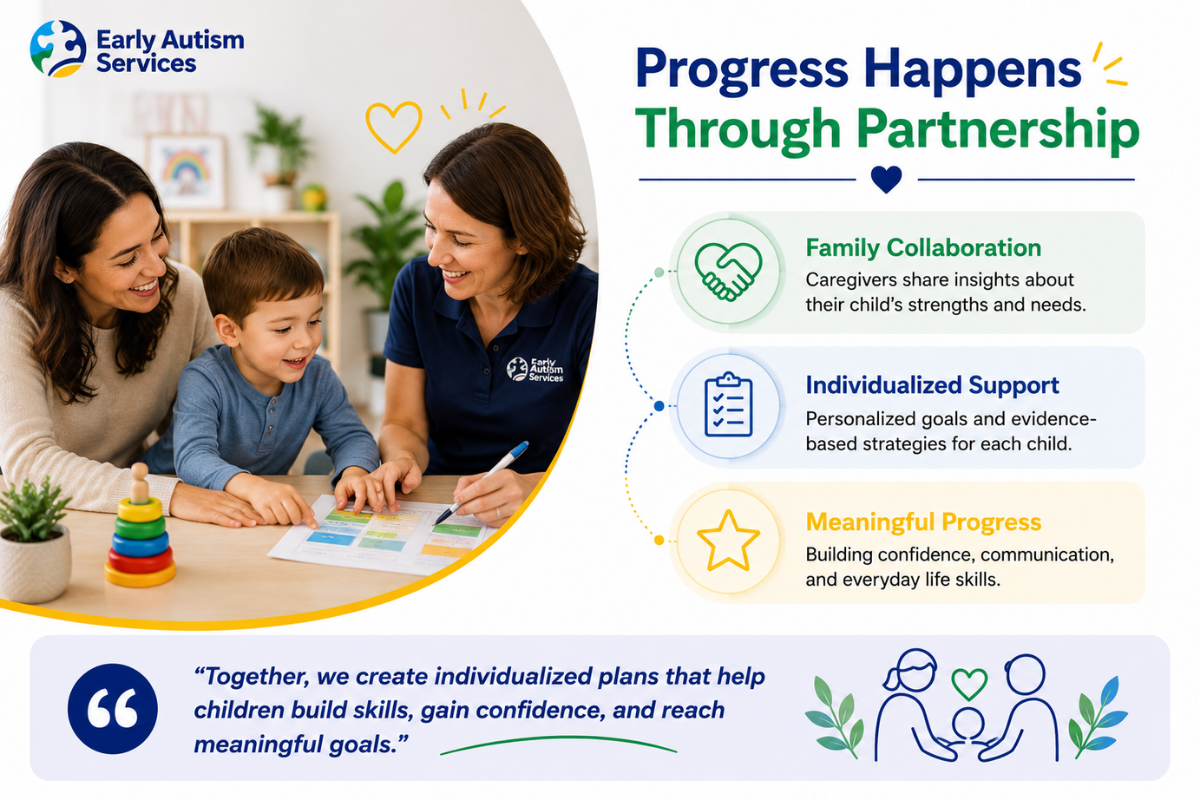
Progress is strongest when families and providers work together.
At Early Autism Services, we believe meaningful outcomes are built through collaboration. Caregivers bring invaluable knowledge about their child's strengths, interests, and needs, while our clinicians bring expertise, evidence-based strategies, and ongoing support.
Together, we create individualized plans that help children build skills, gain confidence, and reach meaningful goals.
The feedback we received through this survey reinforces the importance of that partnership and the positive impact it can have on children and families alike.
A Commitment to Continuous Improvement
While we are grateful for the positive feedback shared in this year's survey, we also recognize that there is always room to learn and grow.
Caregiver input helps us identify areas where we can improve communication, enhance services, and better support the families who trust us with their care.
We remain committed to listening, learning, and evolving so we can continue providing high-quality, compassionate services for every child and family we serve.
Thank You
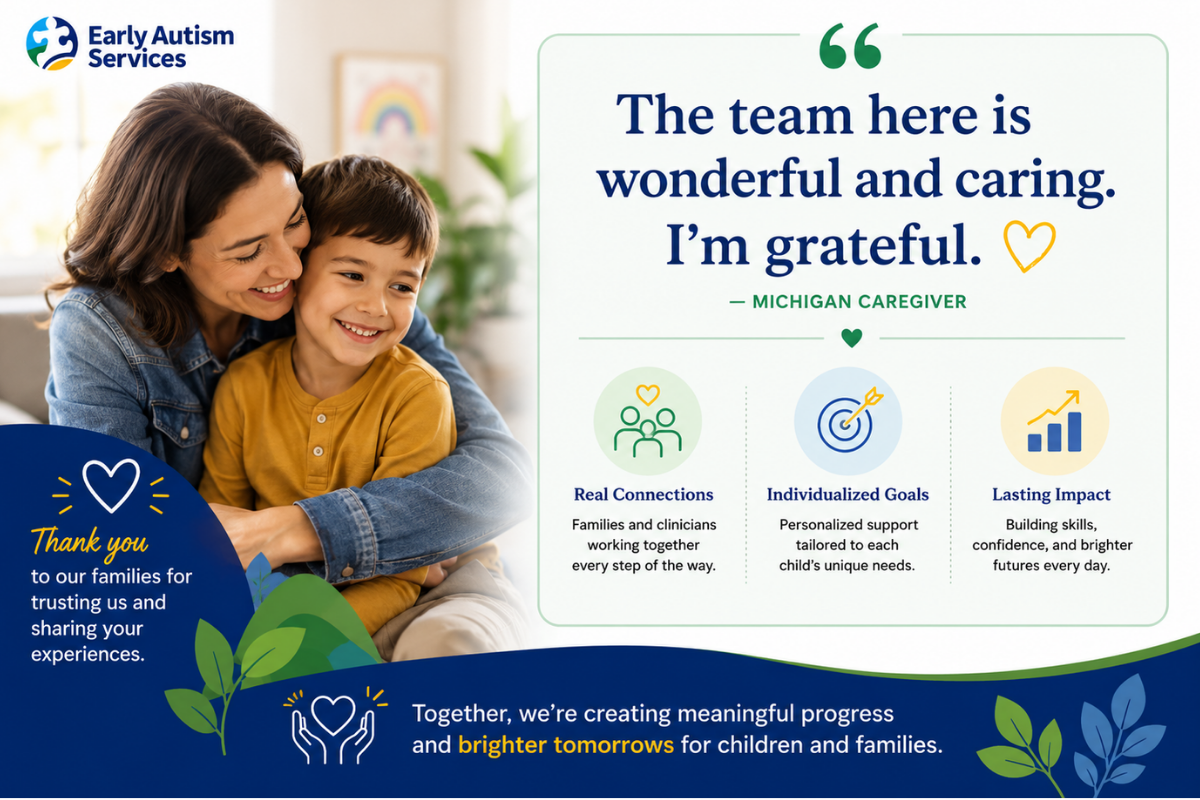
To every caregiver who participated in the Spring 2026 Caregiver Survey, thank you.
Your feedback helps shape the future of our services and ensures that we continue meeting the needs of the families we support.
And to our dedicated clinicians, behavior technicians, and support staff, thank you for the work you do each day. Your commitment, expertise, and compassion make a lasting difference in the lives of children and families across our communities.
Together, we celebrate the progress made, the relationships built, and the opportunities ahead.
Explore More
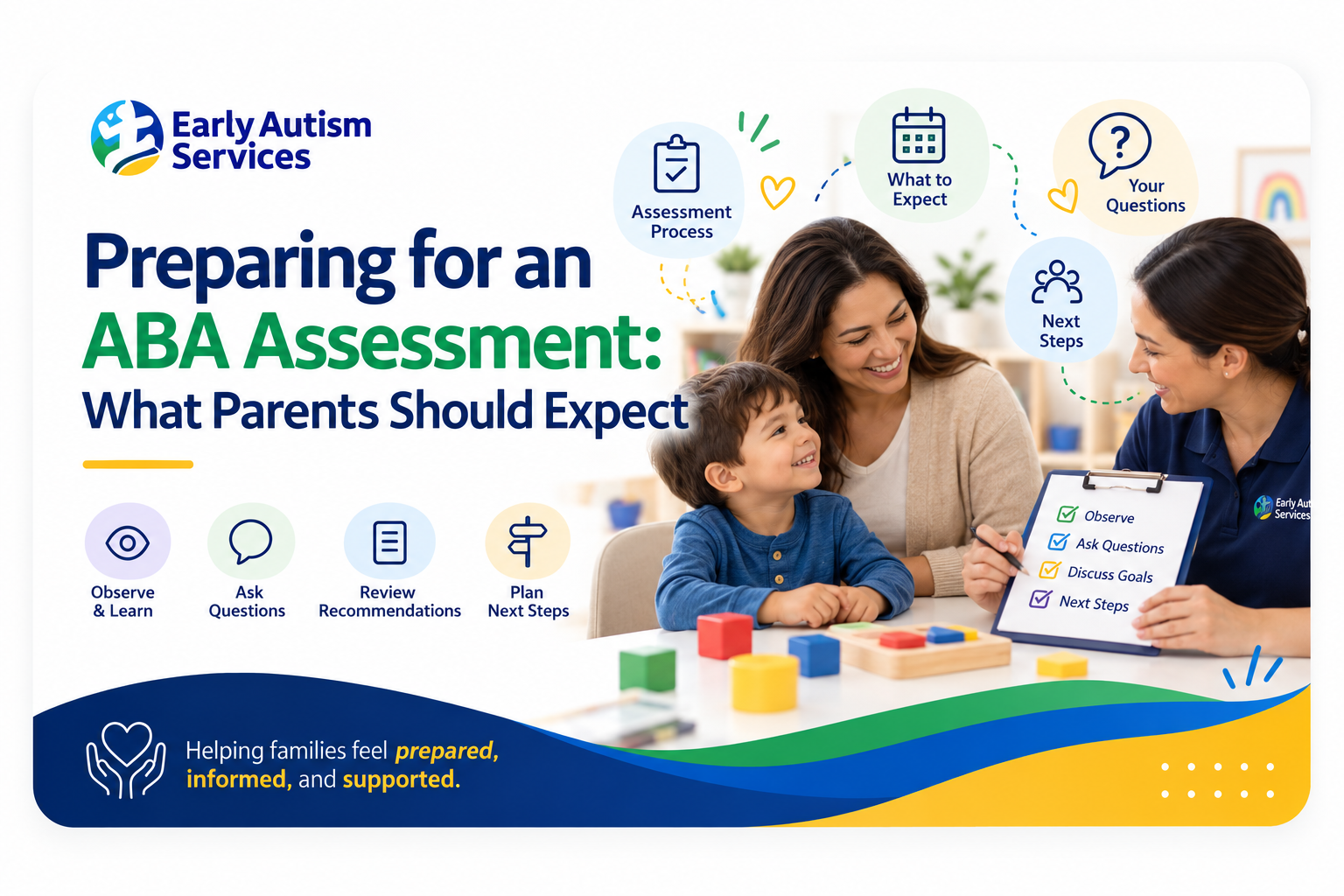
Preparing for an ABA Assessment: What Parents Should Expect
Accessing ABA therapy can feel overwhelming for families, especially when navigating service options, insurance, Medicaid, and the intake process. Early Autism Services works to make ABA therapy more accessible by offering different service settings, supporting families through insurance and intake, and providing individualized care based on each child’s needs.

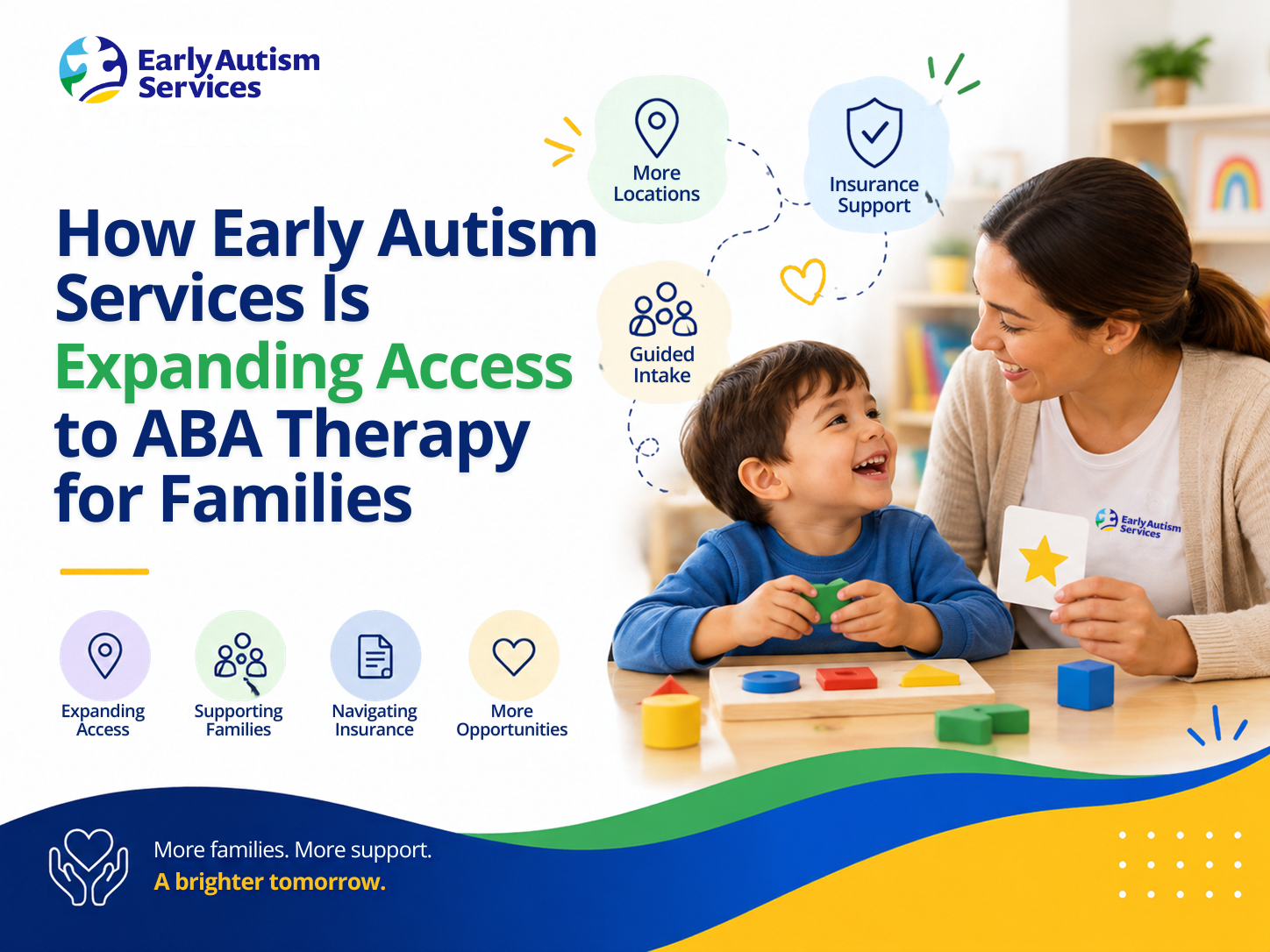
How Early Autism Services Is Expanding Access to ABA Therapy for Families
Accessing ABA therapy can feel overwhelming for families, especially when navigating service options, insurance, Medicaid, and the intake process. Early Autism Services works to make ABA therapy more accessible by offering different service settings, supporting families through insurance and intake, and providing individualized care based on each child’s needs.

Behavior Is Communication: Understanding What Your Autistic Child May Be Telling You
Behavior can be an important form of communication, especially when a child cannot easily express their needs in words. This parent-friendly guide explores what an autistic child’s behavior may be communicating, how to recognize possible triggers and patterns, and supportive ways to build functional communication skills.


