How to Identify Triggers Behind Challenging Behaviors
Challenging behaviors often have a trigger, even when they seem unpredictable. This parent-friendly guide explains how to recognize common autism behavior triggers, use the ABC method to spot patterns, and make supportive adjustments that can reduce stress and help children feel more understood.
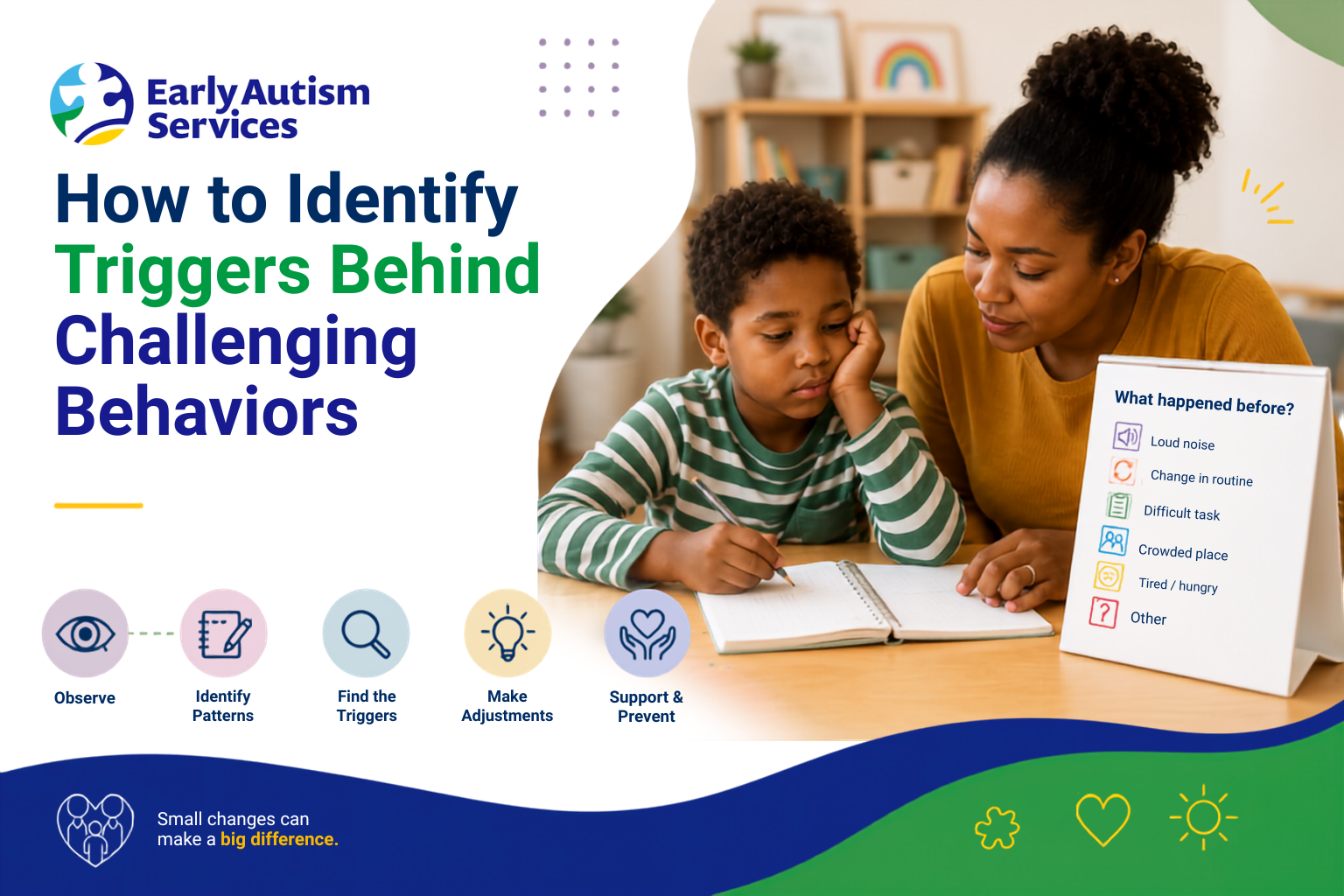
Every parent has experienced moments when their child suddenly becomes upset, frustrated, or overwhelmed. For parents of children with Autism Spectrum Disorder (ASD), these moments can sometimes seem unpredictable. A child may cry during a grocery store visit, refuse to leave the playground, or have a meltdown during a simple daily routine.
While these behaviors may appear random, they are often triggered by something in the child's environment or experience. Learning to identify these triggers is one of the most effective ways to understand your child's needs and reduce challenging behaviors over time.
Rather than asking, "Why is my child behaving this way?", it can be more helpful to ask, "What happened before this behavior occurred?" This shift in perspective helps parents move from reacting to behaviors to preventing them whenever possible.
In this guide, we'll explore common behavior triggers, how to recognize patterns, and practical strategies to support your child with compassion and confidence.
What Are Behavior Triggers?
A trigger is anything that increases the likelihood of a challenging behavior occurring. Triggers can be physical, emotional, environmental, or social.
It's important to remember that behaviors are often a form of communication. Children may not always have the words to explain that they're overwhelmed, uncomfortable, anxious, or frustrated, so their behavior communicates those feelings instead.
Understanding triggers allows parents to respond to the cause of the behavior, not just the behavior itself.
Common Triggers Behind Challenging Behaviors
Every child is different, but some triggers are commonly seen in autistic children.
1. Sensory Overload
Many autistic children process sensory information differently. Everyday experiences that seem ordinary to others can feel overwhelming.
Common sensory triggers include:
- Loud noises
- Bright or flickering lights
- Strong smells
- Crowded environments
- Certain clothing textures
- Food textures
- Unexpected physical touch
When sensory input becomes too intense, a child may cover their ears, cry, run away, or experience a meltdown.
2. Changes in Routine
Predictability often helps autistic children feel safe and secure. Unexpected changes, such as a cancelled outing, a substitute teacher, or a different bedtime routine, can create anxiety and frustration.
Even small changes may be difficult if a child has not had time to prepare.
3. Communication Difficulties
Children who struggle to express themselves may become frustrated when others don't understand what they need. Triggers may include:
- Being unable to ask for help
- Difficulty explaining pain or discomfort
- Trouble expressing emotions
- Misunderstanding instructions
Strengthening communication skills often reduces these frustrations.
4. Difficult Transitions
Moving from one activity to another can be challenging. Examples include:
- Leaving the playground
- Turning off a favorite TV show
- Ending screen time
- Starting homework
- Getting ready for bed
Without adequate preparation, transitions may lead to resistance or meltdowns.
5. Physical Needs
Sometimes the trigger is surprisingly simple. Children may become upset because they are:
- Hungry
- Thirsty
- Tired
- Sick
- In pain
- Too hot or too cold
Because some autistic children have difficulty recognizing or expressing physical discomfort, behaviors may be their way of communicating these needs.
6. Demanding Tasks
Tasks that are too difficult or unfamiliar can create stress. For example:
- Completing schoolwork
- Following multi-step directions
- Trying new activities
- Social interactions
- Fine motor tasks
If expectations exceed a child's current abilities, frustration may increase.
Using the ABC Method to Identify Triggers
One helpful strategy is the ABC model, often used by educators and behavior professionals.
A – Antecedent
Ask:
What happened immediately before the behavior?
Examples:
- A loud noise occurred.
- A preferred activity ended.
- A difficult task was introduced.
- Someone changed the routine.
B – Behavior
Describe exactly what happened.
Instead of writing:
"He was naughty."
Write:
- Cried loudly
- Threw toys
- Covered ears
- Ran from the room
- Refused to participate
Keeping descriptions objective makes patterns easier to identify.
C – Consequence
Ask:
What happened immediately after the behavior?
Examples:
- The task stopped.
- The child received attention.
- They left the noisy room.
- They received a preferred item.
- An adult comforted them.
Understanding consequences doesn't mean behavior is intentional—it simply helps identify what may be reinforcing or maintaining the behavior.
Keep a Behavior Journal
Recording behaviors over several days or weeks often reveals patterns that aren't obvious in the moment. Consider tracking:
- Date and time
- Location
- Activity
- People present
- What happened beforehand
- The behavior itself
- What happened afterward
You may notice that behaviors occur:
- Before meals
- During transitions
- In crowded places
- After poor sleep
- During noisy activities
These patterns can guide practical changes.
Signs That Your Child Is Becoming Overwhelmed
Many children show early signs before a challenging behavior occurs. Watch for:
- Increased pacing
- Covering ears
- Fidgeting
- Rapid breathing
- Whining
- Repeating phrases
- Avoiding eye contact
- Becoming unusually quiet
Recognizing these warning signs gives parents an opportunity to intervene early before emotions escalate.
Strategies to Reduce Common Triggers
Once you've identified triggers, you can begin making supportive adjustments.
Create Predictable Routines
Children often feel more secure when they know what to expect. Helpful tools include:
- Visual schedules
- Picture routines
- Timers
- Countdown warnings before transitions
Support Sensory Needs
Depending on your child's preferences, consider:
- Quiet spaces
- Noise-cancelling headphones
- Dim lighting
- Sensory breaks
- Comfortable clothing
- Fidget tools when appropriate
Small environmental changes can make a big difference.
Build Communication Skills
Encourage your child to communicate using methods that work best for them. This might include:
- Spoken language
- Gestures
- Picture communication
- Communication devices
- Sign language
When children can express their needs effectively, frustration often decreases.
Break Tasks Into Smaller Steps
Large or unfamiliar tasks may feel overwhelming. Instead:
- Give one instruction at a time.
- Use visual supports.
- Offer encouragement.
- Celebrate small successes.
This builds confidence and reduces anxiety.
When Should You Seek Professional Support?
If challenging behaviors:
- Occur frequently
- Put the child or others at risk
- Interfere with learning or family life
- Involve aggression or self-injury
- Continue despite consistent strategies
it's important to consult qualified professionals. Support may include:
- Functional behavior assessments
- Speech-language therapy
- Occupational therapy
- Parent coaching
- Behavioral consultation
- ABA therapy when appropriate and aligned with family goals
Professionals can help identify underlying causes and develop individualized support plans.
Remember: Every Behavior Has Meaning
One of the most important things parents can remember is that behavior is communication.
Children are not trying to be "difficult." They are responding to something they may not yet have the skills to manage or express differently.
Approaching behaviors with curiosity instead of frustration creates opportunities for learning, trust, and stronger parent-child relationships.
Final Thoughts
Learning how to identify triggers behind challenging behaviors is an essential step in supporting children with autism. By paying attention to what happens before, during, and after a behavior, parents can better understand what their child is communicating and make thoughtful changes to reduce stress.
While every child has unique needs, recognizing patterns, supporting communication, creating predictable routines, and responding with patience can make everyday challenges more manageable.
Remember, progress takes time. Every small success—whether it's a smoother transition, fewer meltdowns, or a new way of communicating—is a meaningful step toward helping your child feel understood, supported, and confident.
FAQs
1. What is a behavior trigger?
A behavior trigger is an event, situation, or condition that increases the likelihood of a challenging behavior. Triggers may be sensory, emotional, physical, social, or environmental.
2. How can I identify my child's behavior triggers?
Observe what happens before, during, and after the behavior. Keeping a behavior journal and using the ABC (Antecedent–Behavior–Consequence) method can help reveal patterns.
3. Are all challenging behaviors caused by sensory overload?
No. While sensory overload is a common trigger for autistic children, behaviors may also result from communication difficulties, changes in routine, physical discomfort, anxiety, or challenging tasks.
4. Can identifying triggers prevent meltdowns?
Understanding triggers can help reduce the frequency and intensity of meltdowns by allowing parents to make proactive adjustments, prepare for transitions, and meet their child's needs before they become overwhelmed.
5. When should I seek professional help?
If challenging behaviors are frequent, severe, involve aggression or self-injury, interfere with daily life, or don't improve with supportive strategies, consult a qualified healthcare or developmental professional for an individualized assessment and guidance.
Explore More
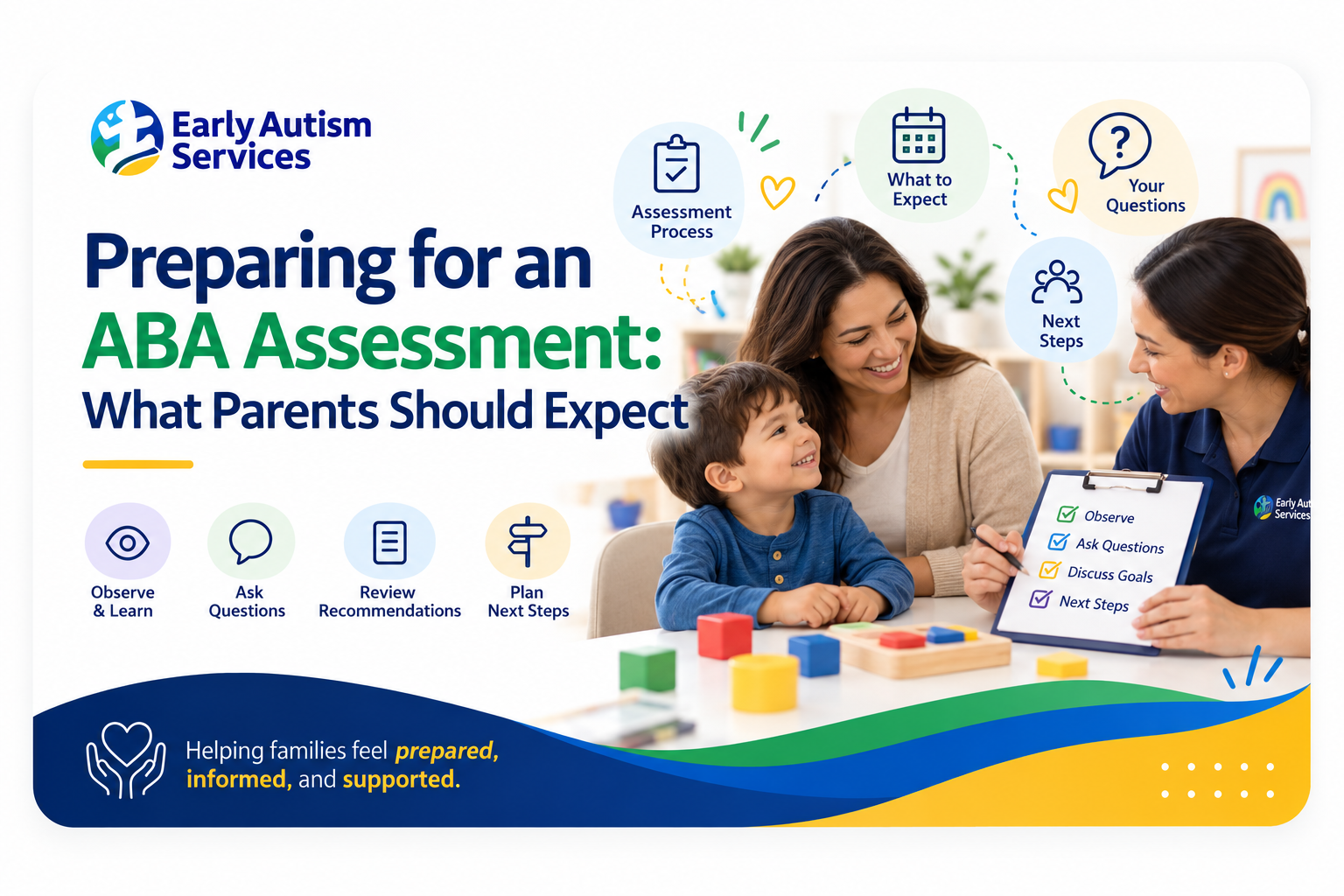
Preparing for an ABA Assessment: What Parents Should Expect
Accessing ABA therapy can feel overwhelming for families, especially when navigating service options, insurance, Medicaid, and the intake process. Early Autism Services works to make ABA therapy more accessible by offering different service settings, supporting families through insurance and intake, and providing individualized care based on each child’s needs.

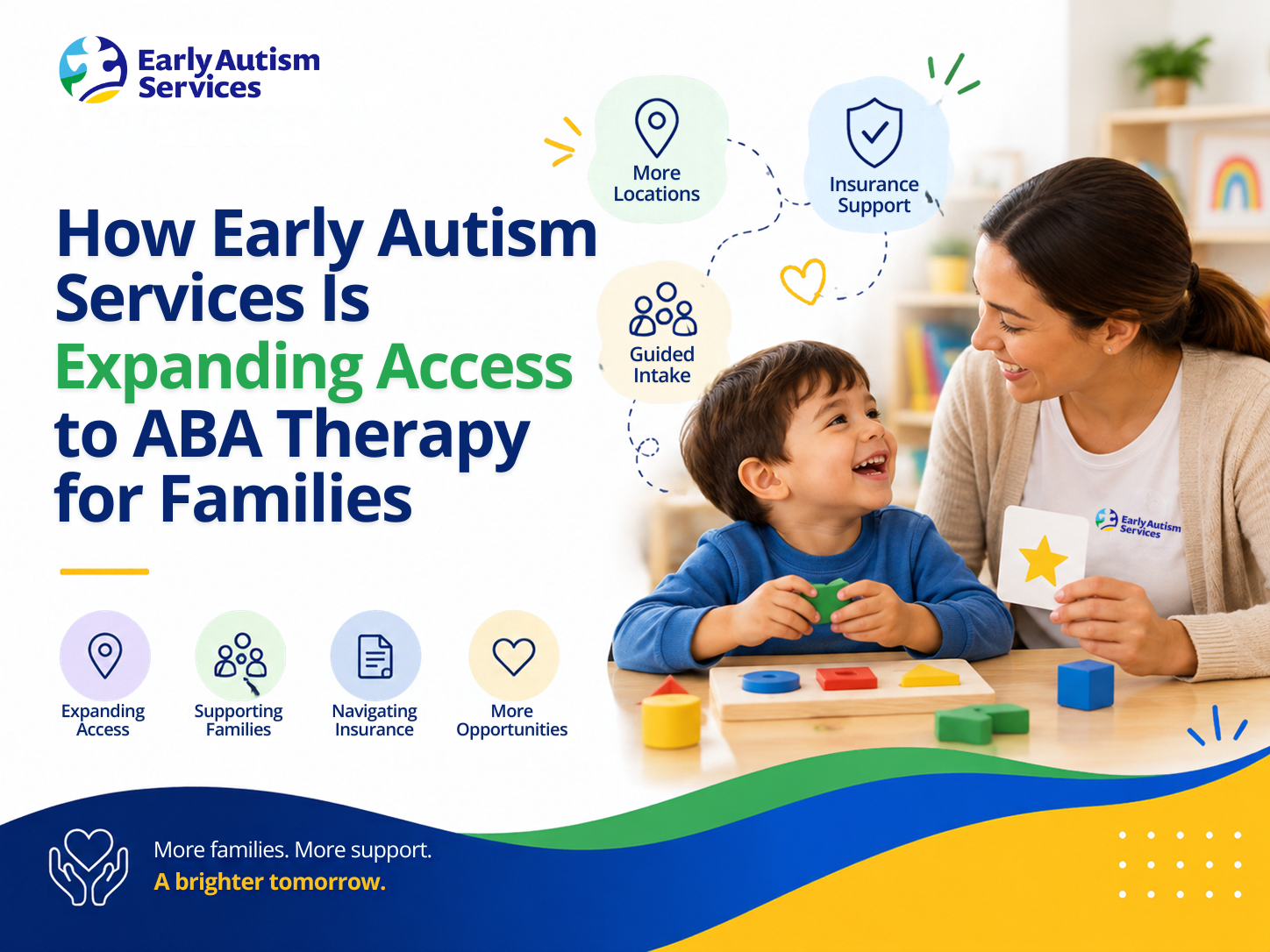
How Early Autism Services Is Expanding Access to ABA Therapy for Families
Accessing ABA therapy can feel overwhelming for families, especially when navigating service options, insurance, Medicaid, and the intake process. Early Autism Services works to make ABA therapy more accessible by offering different service settings, supporting families through insurance and intake, and providing individualized care based on each child’s needs.

Behavior Is Communication: Understanding What Your Autistic Child May Be Telling You
Behavior can be an important form of communication, especially when a child cannot easily express their needs in words. This parent-friendly guide explores what an autistic child’s behavior may be communicating, how to recognize possible triggers and patterns, and supportive ways to build functional communication skills.


