The Role of Caregiver Training in Supporting ABA Therapy Success
The key to successful autism therapy services lies in a consistent, collaborative approach between caregivers and therapists. Caregiver training allows caregivers to learn how to implement ABA interventions effectively in real-life situations. It ensures that children are consistently supported in developing behaviors that help them navigate everyday life.

As the demand for autism therapy continues to grow, autism therapy services have become crucial to supporting children with Autism Spectrum Disorder (ASD).
In ABA autism therapy, ABA providers play an instrumental role in ensuring the therapeutic process's success.
However, the full potential of this therapy can only be realized when caregivers are actively involved through caregiver training in ABA.
Understanding ABA Therapy and Caregiver Training
- ABA therapy is a widely recognized, evidence-based treatment designed to help children with autism develop essential skills. This includes learning positive behaviors and reducing challenging ones.
- Through ABA autism therapy, children are guided toward achieving more independent, fulfilling lives. However, the presence of caregivers in the process significantly enhances therapy outcomes.
- Caregiver training is an integral component of ABA autism therapy, as it equips caregivers with the knowledge and tools to reinforce learning at home and in other natural settings. When caregivers understand the principles behind ABA autism therapy, they can better support their child’s development and work collaboratively with ABA providers to create customized interventions.
The Importance of Caregiver Training in ABA Therapy
The key to successful autism therapy services lies in a consistent, collaborative approach between caregivers and therapists. Caregiver training allows caregivers to learn how to implement ABA interventions effectively in real-life situations. It ensures that children are consistently supported in developing behaviors that help them navigate everyday life.
Without proper training, caregivers may not fully understand how to reinforce their child’s progress or may inadvertently reinforce challenging behaviors. ABA providers like Early Autism Services can help bridge this gap by offering specialized and individualized training to caregivers, allowing them to apply the same techniques used in therapy sessions at home, in school, or in the community.
Learn more about our autism therapy services designed to support both children and caregivers.
How Caregiver Training Enhances ABA Therapy Success?
Improved Skill Retention and Generalization
One significant benefit of caregiver training is helping children generalize learned behaviors. Caregivers are taught how to support skill development across various settings, from the home to social environments. This consistency in reinforcement ensures that children can apply their skills anywhere, increasing their independence.
Better Communication
Through autism therapy services, children with ASD can learn vital communication skills. However, these skills must be practiced regularly. Caregivers trained in ABA autism therapy techniques can support their child’s communication skills by using strategies learned in therapy, thereby increasing the child’s ability to communicate needs and desires more effectively. Looking for practical ways to do this at home? Check out our guide on tips for teaching children with autism.
Reduced Caregiver Stress
Studies have shown that ABA autism therapy is most effective when caregivers feel confident applying therapeutic strategies. Caregiver training empowers caregivers and reduces stress as they gain a deeper understanding of their child’s behaviors and how to address them. This leads to improved emotional well-being for both caregivers and children.
Support in Achieving Treatment Goals
ABA providers are key in helping caregivers set achievable goals for their child’s development. With the right tools, caregivers can support these goals and help their children achieve them more effectively. Whether learning a new skill or improving social interactions, caregiver training in ABA autism therapy is critical in achieving positive results.
For example, many families ask, ‘How can I motivate my child?’ here are some effective strategies for motivating children with autism.
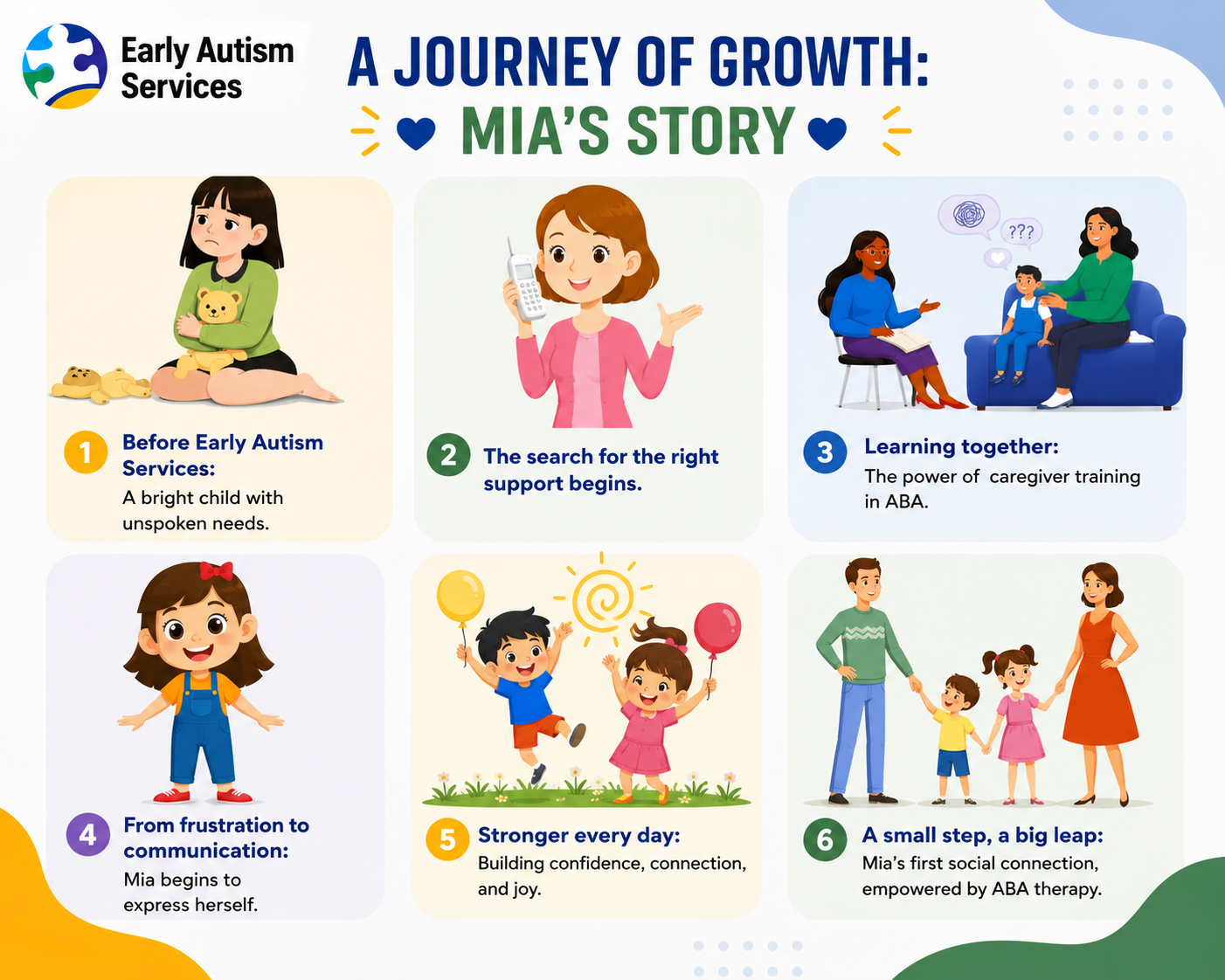
The Role of ABA Providers in Caregiver Training
ABA providers are vital in guiding caregivers through ABA autism therapy. They offer individualized training sessions that align with the child’s unique needs. With professional guidance, caregivers gain insights into their child’s behaviors, which helps them navigate difficult situations with patience and understanding.
Through this collaboration, ABA providers can also offer suggestions for autism therapy services appropriate for the child’s needs, whether speech therapy for autism, in-home ABA therapy, or community-based interventions. The more personalized the approach, the more successful the therapy will be.
Finding the Right ABA Providers for Your Child
When looking for autism therapy services near you, it's important to find reputable ABA providers who specialize in ABA autism therapy. Researching ABA providers who offer individualized, relationship-oriented programs ensures that your child’s needs will be met with the appropriate resources. Whether looking for in-home ABA therapy or clinic based services, ensure the provider offers comprehensive support, including caregiver training.
By choosing the right ABA providers, such as Early Autism Services, you’ll be setting your child up for success in their therapy journey. These professionals will help you implement the most effective strategies and guide your family toward achieving the goals set in your child’s treatment plan.
Conclusion
The success of ABA autism therapy largely depends on the involvement of caregivers. Families can create a supportive, consistent learning environment for their children by participating in caregiver training in ABA. The guidance provided by ABA providers ensures that children learn essential skills and retain and generalize them in everyday life. As a result, children with autism will thrive in social, educational, and familial settings.
Investing in autism therapy services, particularly those offering ABA autism therapy, can have a profound impact on your child's development. With the right ABA providers like Early Autism Services and consistent caregiver support, children with ASD can reach their full potential and lead more independent, fulfilling lives.
If you’re ready to get started, request a free consultation with our team today.
Explore More
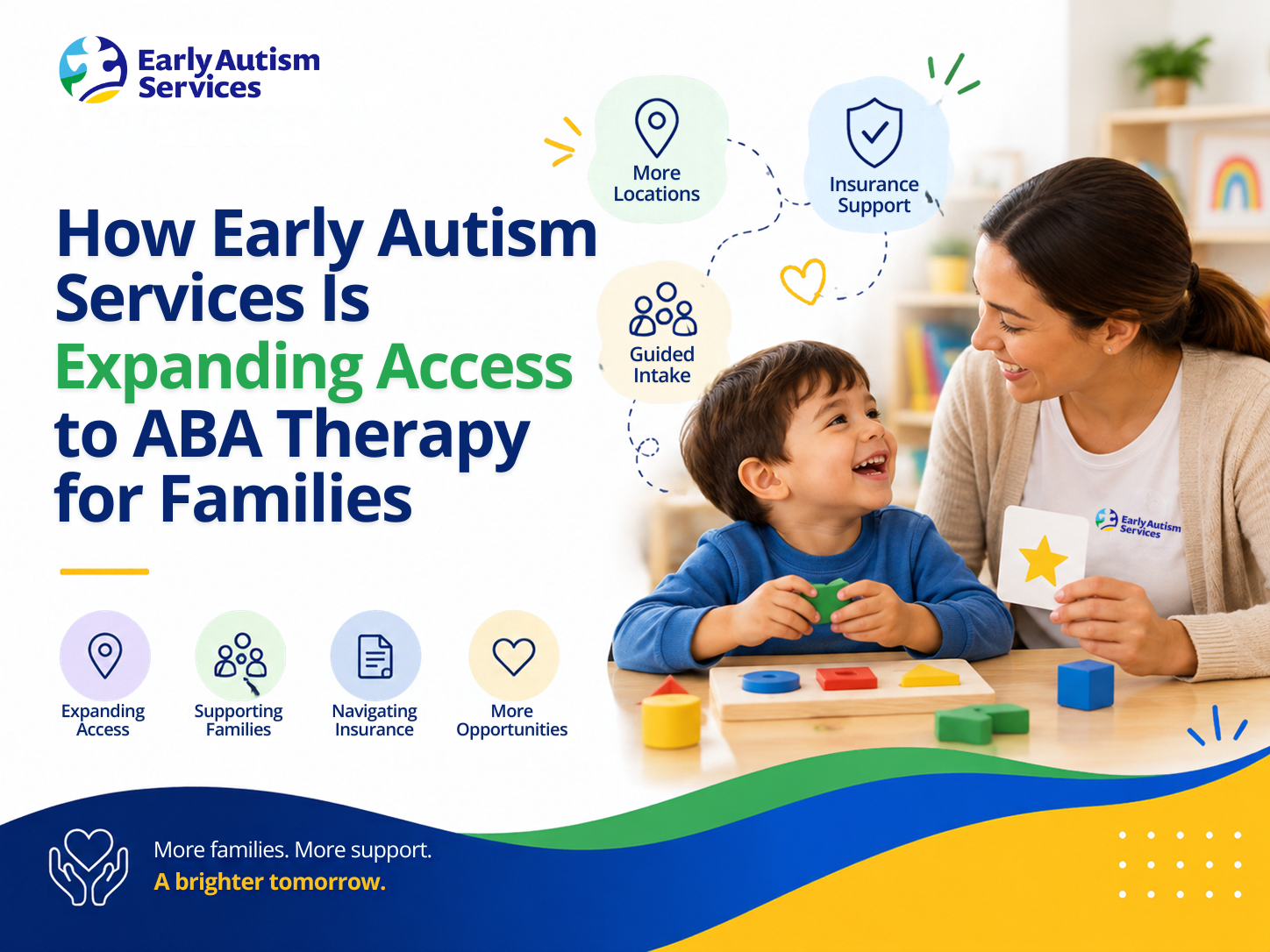
How Early Autism Services Is Expanding Access to ABA Therapy for Families
Accessing ABA therapy can feel overwhelming for families, especially when navigating service options, insurance, Medicaid, and the intake process. Early Autism Services works to make ABA therapy more accessible by offering different service settings, supporting families through insurance and intake, and providing individualized care based on each child’s needs.


Behavior Is Communication: Understanding What Your Autistic Child May Be Telling You
Behavior can be an important form of communication, especially when a child cannot easily express their needs in words. This parent-friendly guide explores what an autistic child’s behavior may be communicating, how to recognize possible triggers and patterns, and supportive ways to build functional communication skills.
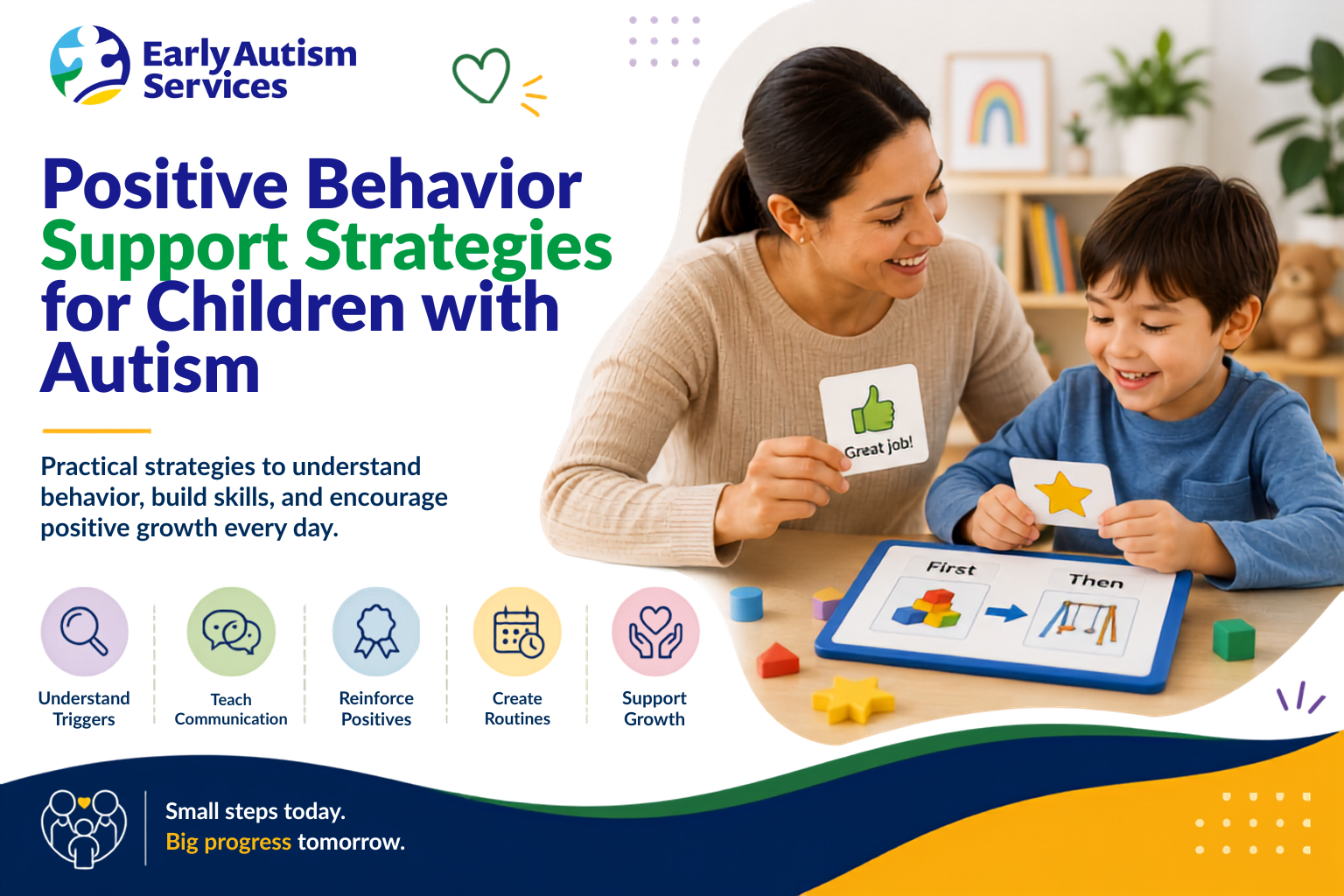
Positive Behavior Support Strategies for Children with Autism
Positive behavior support focuses on understanding why behaviors happen and helping children develop effective ways to communicate their needs. This parent-friendly guide explores practical strategies for identifying triggers, creating predictable routines, reinforcing positive skills, supporting transitions, and encouraging communication at home.


