Sibling Conflicts: A Hidden Opportunity to Teach Life Skills
Sibling conflicts are common, but can feel more complex in families with an autistic child. Disagreements often stem from emotional needs, attention differences, or communication challenges. With a coaching mindset, open conversations, and intentional one-on-one time, parents can turn everyday conflicts into opportunities to build empathy, cooperation, resilience, and mutual understanding between siblings.
.png)
Introduction
If sibling conflicts had a volume button, most parents would keep it permanently on mute. Sound familiar? While disagreements between brothers and sisters are common, managing sibling conflict can feel more complex when one child is an autistic child. Families often balance different emotional needs, routines, and levels of attention.
Conflict itself is not the problem. In fact, disagreements help children learn important social and emotional skills. What matters most is how parents respond and guide their children through these moments. With the right approach, everyday challenges can become opportunities to build empathy, cooperation, and emotional resilience within the family.
This guide explores:
- Why sibling conflicts happen
- The role parents can play during disagreements
- Practical ways to build empathy and cooperation
- How family dynamics support everyday special needs education
Why Do Siblings Fight?
Understanding the Root Causes
Sibling disagreements happen for many reasons, and most are rooted in emotional needs rather than behavior alone. Common triggers include:
- Competition for parental attention
- Jealousy or comparison
- Differences in personality or temperament
- Frustration due to communication challenges
- Feeling misunderstood or overlooked
In families with an autistic child, parents may naturally devote additional time to therapies, routines, or emotional regulation support. While necessary, non-autistic siblings may sometimes interpret this as unequal attention, which can increase sibling conflict.
To prevent resentment, parents can intentionally create small but meaningful one-on-one moments:
- Talking during daily routines like car rides
- Sharing a short activity together
- Spending uninterrupted time before bedtime
Open, age-appropriate conversations about autism are equally important. When differences are explained calmly and positively, children are more likely to develop understanding rather than confusion. Encouraging an autistic child to express preferences or feelings, when possible, further strengthens mutual respect. These home practices play a vital role in everyday special needs education.
The Role of Parents: Referee, Coach, or Guide?
.png)
It’s natural to step in when children argue. However, constant intervention can prevent them from learning how to resolve disagreements independently. Instead of acting as a referee, parents can take on a coaching role.
A coaching approach includes:
- Observing first before stepping in
- Intervening only if the situation becomes unsafe or overwhelming
- Helping children express feelings using calm, clear language
- Encouraging problem-solving instead of assigning blame
This method builds essential life skills such as communication, emotional regulation, and negotiation. For an autistic child who may experience differences in social communication or emotional processing, gentle guidance provides valuable practice in expressing needs and understanding boundaries.
It’s also important to explain that fairness does not always mean sameness. Each child may need different levels of support, structure, or flexibility. When parents communicate this openly, siblings are more likely to understand the reasons behind different expectations and routines. This transparency supports a balanced environment focused on individual special needs support.
Building Empathy and Cooperation Between Siblings
Growing up with an autistic child can help siblings develop strong emotional awareness and compassion. Many children learn to recognize early signs of sensory overload or distress, such as withdrawal, covering ears, or becoming overwhelmed. Understanding these cues helps reduce frustration and prevent recurring sibling conflict.
Parents can strengthen cooperation by intentionally creating positive shared experiences:
- Celebrating each child’s strengths and achievements
- Encouraging teamwork through games or household tasks
- Planning family activities that both children enjoy
- Validating each child’s feelings during disagreements
At the same time, individual growth is equally important. Each child should have opportunities to build their own identity through:
- Sports or physical activities
- Creative hobbies or interests
- Clubs, social groups, or extracurricular programs
These experiences support confidence, independence, and emotional balance while complementing both formal and informal special needs education.
Turning Conflict into Growth
.png)
Although conflicts may feel exhausting in the moment, they offer valuable learning opportunities. Each disagreement allows children to practice:
- Listening to another perspective
- Managing strong emotions
- Finding solutions collaboratively
- Understanding personal boundaries
Parents play a key role by modeling calm communication and focusing on solutions rather than punishment. Over time, children begin to manage disagreements more independently and constructively.
For families raising an autistic child, these everyday interactions also build a deeper understanding of individual differences. When children grow up learning that everyone has unique needs and strengths, they carry that empathy into friendships, classrooms, and future relationships.
Closing Thoughts
Sibling disagreements are not simply disruptions; they are growth opportunities. With thoughtful guidance, everyday sibling conflict can teach communication, empathy, and emotional resilience.
In families with an autistic child, these moments become even more meaningful. By balancing attention, encouraging open conversations, and providing individualized special needs support, parents can help each child feel valued and understood.
With patience, consistency, and a coaching mindset, sibling relationships can grow stronger over time, shaped not by the absence of conflict but by the understanding and compassion developed through it.
Book a consultation at Early Autism Services for expert sibling support!
Explore More
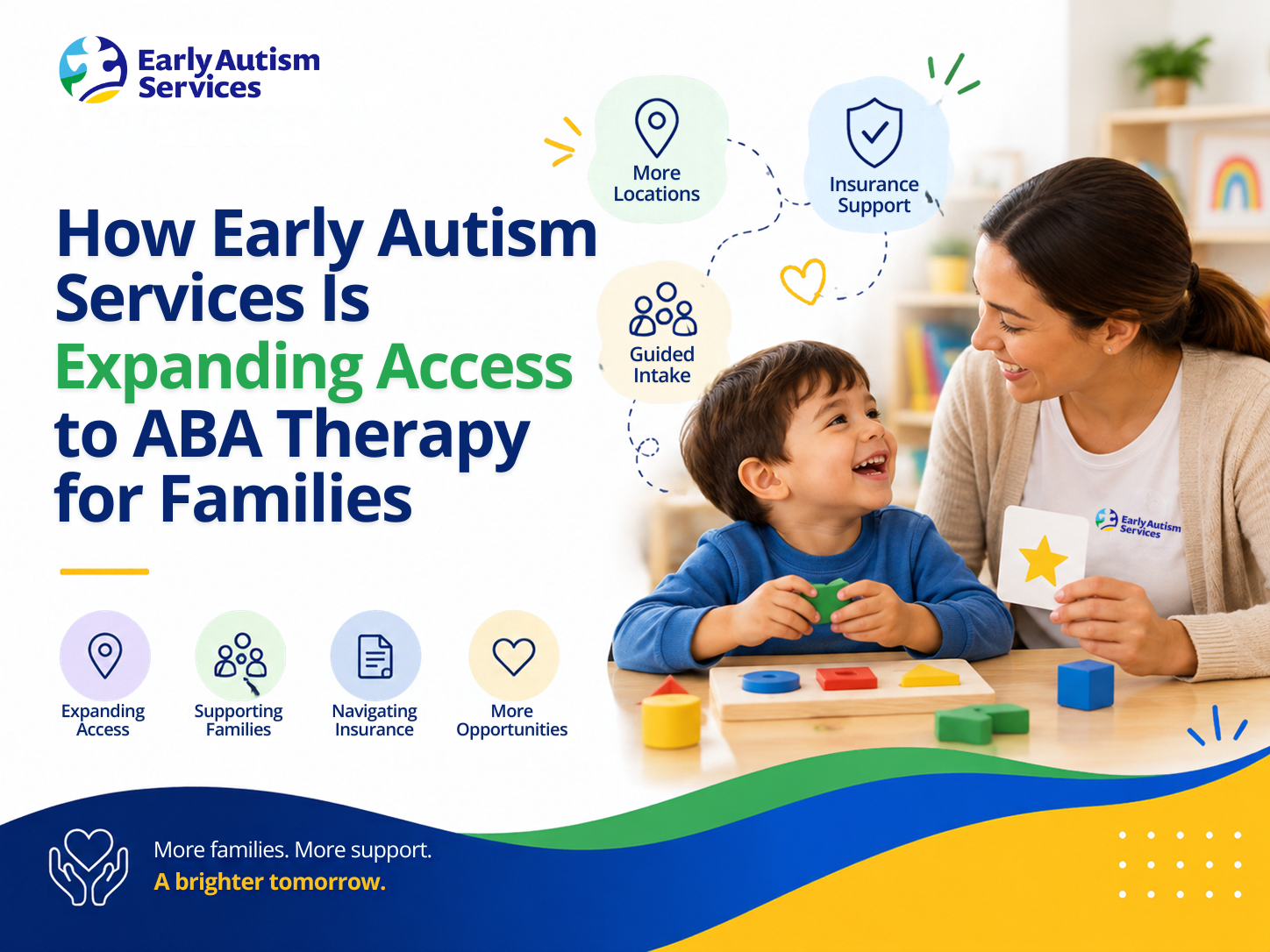
How Early Autism Services Is Expanding Access to ABA Therapy for Families
Accessing ABA therapy can feel overwhelming for families, especially when navigating service options, insurance, Medicaid, and the intake process. Early Autism Services works to make ABA therapy more accessible by offering different service settings, supporting families through insurance and intake, and providing individualized care based on each child’s needs.


Behavior Is Communication: Understanding What Your Autistic Child May Be Telling You
Behavior can be an important form of communication, especially when a child cannot easily express their needs in words. This parent-friendly guide explores what an autistic child’s behavior may be communicating, how to recognize possible triggers and patterns, and supportive ways to build functional communication skills.
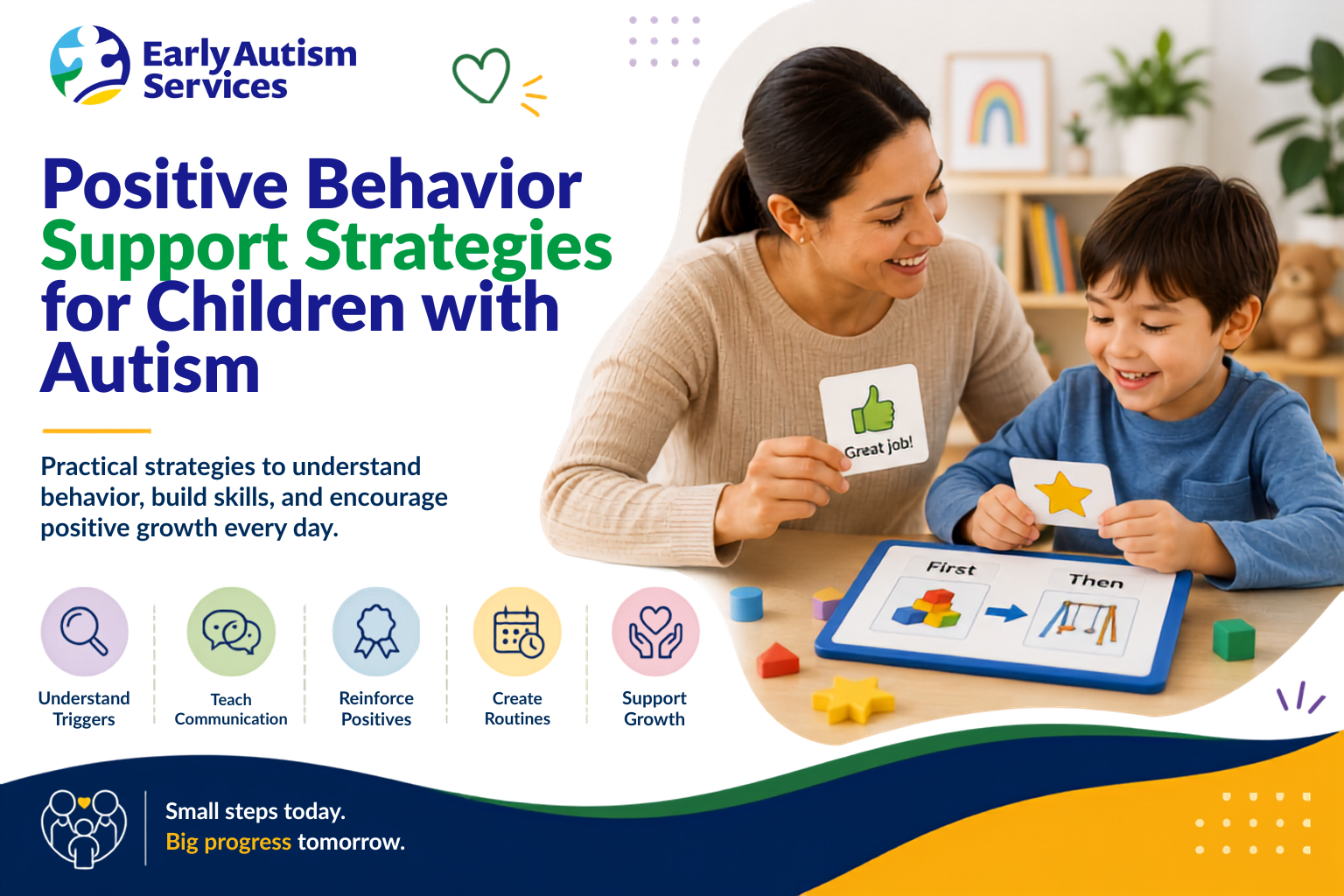
Positive Behavior Support Strategies for Children with Autism
Positive behavior support focuses on understanding why behaviors happen and helping children develop effective ways to communicate their needs. This parent-friendly guide explores practical strategies for identifying triggers, creating predictable routines, reinforcing positive skills, supporting transitions, and encouraging communication at home.


