Sensory-Friendly Air Travel Tips for Kids With Autism: How to Prep for an Airplane This Labor Day
Labor Day air travel can be overwhelming for children with autism due to crowds, noise, and unpredictable routines. This blog shares sensory-friendly tips like preparing with visual schedules, packing comfort kits, using TSA Cares, and requesting airline support, so families can create calmer, more enjoyable flights while reinforcing strategies often practiced through ABA therapy.
.png)
Introduction
Labor Day weekend is one of the busiest times for air travel. Crowded airports, long security lines, and flight delays can be stressful for any family, but for children with autism, these environments may feel especially overwhelming. Bright lights, unfamiliar routines, and sensory overload can quickly turn travel into a challenge.
The good news? With preparation, planning, and the right support, families can create a more comfortable and sensory-friendly travel experience for their children. In this blog, we’ll share practical tips for parents to help make Labor Day flights calmer and more enjoyable for everyone, especially families seeking ABA therapy for kids or autism services to support daily routines and transitions.
Why Holiday Travel Can Be Stressful for Kids With Autism
During Labor Day weekend, airports are often:
- Noisy and crowded → which may trigger sensory sensitivities.
- Unpredictable → delays, gate changes, and last-minute boarding updates can be tough for kids who thrive on routine.
- Physically overwhelming → long walks, standing in lines, and being seated for extended periods can be challenging.
Understanding these stressors helps parents plan and reduce anxiety for their child. For many families working with ABA providers near me or autism therapy at home, preparation strategies can be extended to real-life situations like travel.
Prepping Your Child Before the Flight
1. Talk About the Trip in Advance
Children with autism often feel calmer when they know what to expect. Try:
- Visual schedules or social stories that outline each step, packing, security, boarding, flying, and landing.
- Watching videos of airports and airplanes together to introduce the environment.
2. Practice Airport Routines at Home
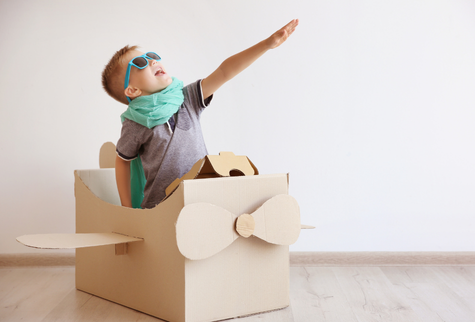
Role-play travel steps such as:
- Putting a bag on a conveyor belt
- Walking through a pretend “security gate”
- Sitting still with a seatbelt on
This familiarity reduces anxiety when it happens for real, similar to how in home ABA services help children practice daily routines in a safe setting.
3. Pack a Comfort & Sensory Kit
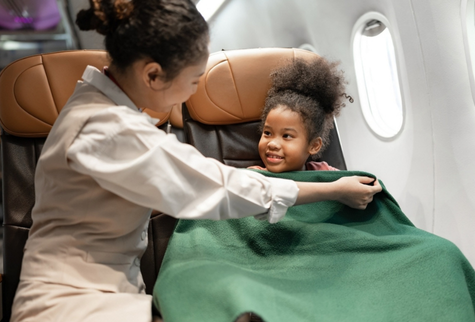
Include:
- Favorite snacks (familiar foods can be grounding)
- A fidget toy, weighted lap pad, or blanket
- Small comfort items like a stuffed animal or book
Navigating the Airport on Labor Day
1. Arrive Early, but Allow Flexibility
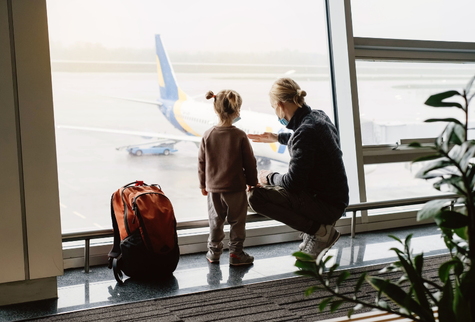
Plan to get to the airport ahead of time so there’s no rush. Look for quiet waiting areas where your child can relax before boarding.
2. Use TSA Cares (Transportation Security Administration) and Request Assistance
The TSA Cares program allows families to request help during security screening. Call at least 72 hours in advance to let them know your child has autism and may need extra time or a smoother process.
3. Inform the Airline About Your Needs
Many airlines allow pre-boarding for families with children with disabilities. Contact your airline early to request accommodations such as:
- Early boarding
- Special seating
- Dietary needs
Making the Flight Sensory-Friendly
1. Choose the Best Flight Time
Whenever possible, book flights during less busy times (early morning or late evening) to avoid overwhelming crowds.
2. Keep Entertainment Handy
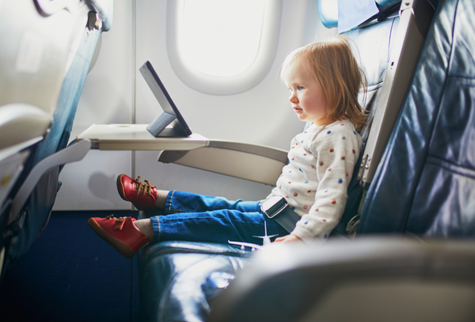
Pack fully charged devices loaded with favorite shows, calming apps, or music playlists. Consider bringing a backup battery pack to avoid tantrums if electronics run out of power.
3. Prepare for Takeoff & Landing
Air pressure changes can be uncomfortable. Chewy snacks, gum, or a straw cup can help your child equalize ear pressure naturally.
4. Offer Reassurance Along the Way
Children with autism benefit from step-by-step explanations:
- “Now we’re putting our bags away.”
- “Next, the plane will take off, and it might feel bumpy.”
- “After that, we’ll be in the air.”
Predictability helps reduce stress, an approach also reinforced through applied behavior analysis autism programs that focus on structured, clear communication.
Extra Tips for Parents
- Keep routines when possible → bring along familiar bedtime items or meal routines.
- Celebrate small wins → even small successes (like going through security calmly) deserve recognition.
- Stay flexible → not everything will go perfectly, and that’s okay.
Final Thoughts
Labor Day travel doesn’t have to feel overwhelming. With sensory-friendly preparation, visual supports, comfort tools, and a calm mindset, families can create a more positive travel experience for their child.
At Early Autism Services, we’re here to support families beyond everyday routines whether it’s preparing for school, holidays, or big travel days like Labor Day. Learn more about our ABA services for autism and how our team can help your child thrive at home, in school, and in the community.
If you’re ready to take the next step, contact our Intake Specialist today and connect with our experienced clinicians.
Explore More
How Early Autism Services Is Expanding Access to ABA Therapy for Families
Accessing ABA therapy can feel overwhelming for families, especially when navigating service options, insurance, Medicaid, and the intake process. Early Autism Services works to make ABA therapy more accessible by offering different service settings, supporting families through insurance and intake, and providing individualized care based on each child’s needs.


Behavior Is Communication: Understanding What Your Autistic Child May Be Telling You
Behavior can be an important form of communication, especially when a child cannot easily express their needs in words. This parent-friendly guide explores what an autistic child’s behavior may be communicating, how to recognize possible triggers and patterns, and supportive ways to build functional communication skills.
Positive Behavior Support Strategies for Children with Autism
Positive behavior support focuses on understanding why behaviors happen and helping children develop effective ways to communicate their needs. This parent-friendly guide explores practical strategies for identifying triggers, creating predictable routines, reinforcing positive skills, supporting transitions, and encouraging communication at home.


